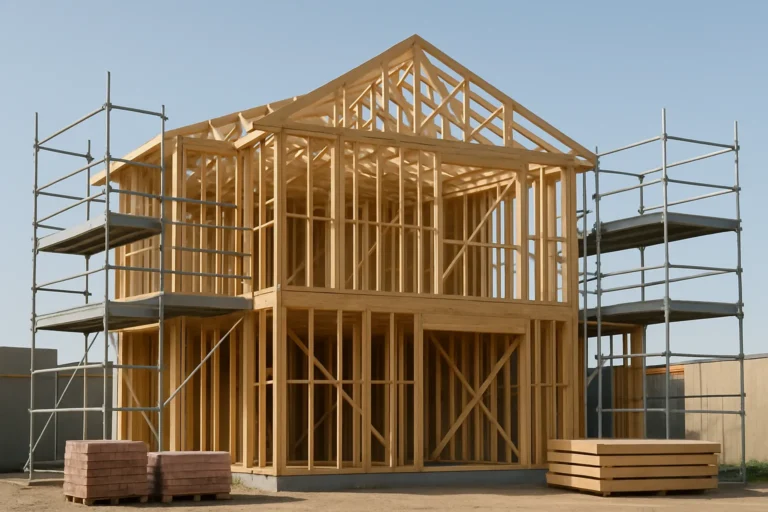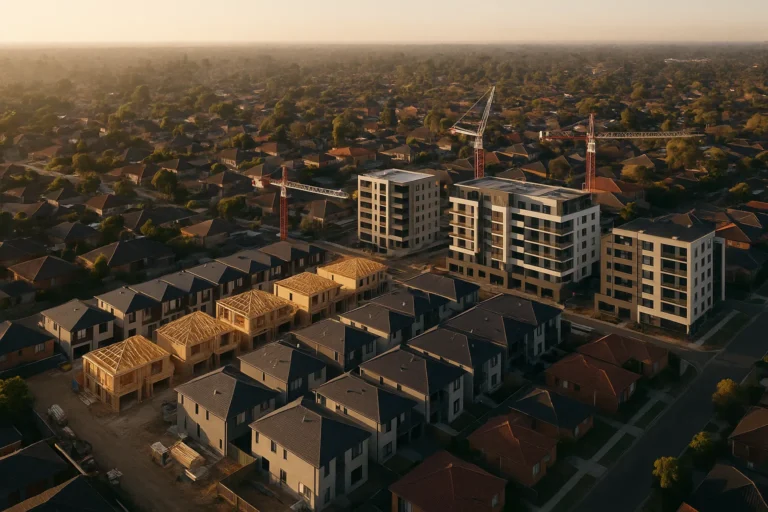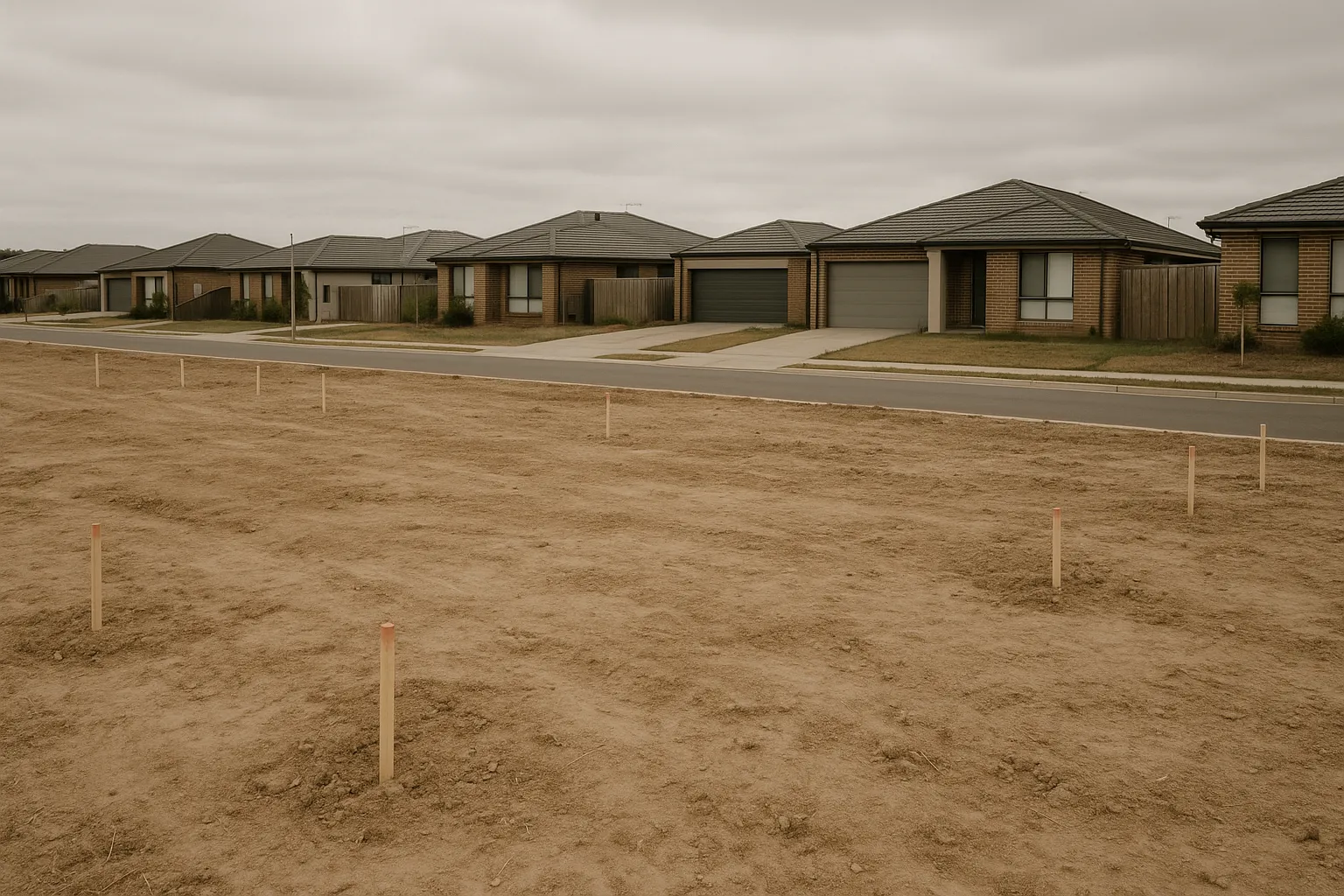
The arithmetic is straightforward enough: if approvals keep tracking at the current pace, Australia reaches 2029 roughly 213,000 new homes short of the 1.2 million target set under the National Housing Accord. What makes August’s sales figures more significant than just another monthly dip is that they confirm the supply constraint the Reserve Bank has been flagging for months is now measurable in real time.
New home sales dropped 10 per cent in August compared with July, and sit 7.7 per cent below the same month last year. The Housing Industry Association recorded 3,651 sales for the month, the weakest result since March, when a one-off soft patch pushed the figure lower. This time, it’s the fourth consecutive month of decline, which means the pipeline feeding into construction starts in early 2027 is shrinking while population growth continues.
Why the policy lever backfired
The May budget introduced tax changes aimed squarely at channelling investor capital toward new builds: capital gains tax discounts and negative gearing now only apply if you buy new. The intention was to tilt demand away from established housing stock and into supply creation. Investor loan approvals have fallen since the change took effect, per Australian Bureau of Statistics data released in the months following.
The catch: investors didn’t redirect capital into new homes at the rate needed to offset the dampening effect on overall market confidence. New home sales are down despite the carrot being waved. Three rate increases over the same period compressed borrowing capacity for owner-occupiers and investors alike, and rising construction costs made the valuation stack less attractive even with the tax benefit attached.
The result is a policy that reduced one type of demand without generating enough of the other, at the exact moment supply creation needed momentum.
The workforce constraint tightening in parallel
Apprentice numbers follow new home starts with a lag. Fewer commencements mean fewer site positions, which means fewer young tradies starting training, which locks in a workforce shortage two to three years out when those apprentices would have otherwise been finishing and entering the market as qualified workers.
Australia already has an acute trades shortage across most categories. Sydney and Melbourne are seeing the steepest declines in this cycle, which historically pushes workers to other jurisdictions where work is steadier. That migration solves the immediate income problem for individual tradies but worsens the capacity constraint in the cities where the shortage is already most binding.
Display site traffic is down, preliminary commitments are softer, and cancellation rates are rising, according to builder feedback collected by the HIA. Those are leading indicators, not lagging ones. The slowdown in commencements that shows up in official data early next year is already baked in.
The catch
Established home prices are expected to start recovering in 2027, which should improve the valuation case for new builds and pull demand back. But if the workforce to deliver those builds has contracted in the meantime, the supply response gets delayed or capped, which means any price recovery accelerates faster than it otherwise would because supply can’t keep pace.
What breaks the loop
Three levers, none of them fast:
- Apprentice retention and recruitment funding from government to offset the income gap that makes tradie apprenticeships less attractive than other pathways during a market slowdown.
- Strategic skilled migration targeting trades with acute shortages, processed faster than the current visa timelines allow.
- National awareness campaigns positioning trade careers as economically credible in school guidance programs, which take years to shift enrolment patterns but are the only structural fix to domestic workforce supply.
The HIA is calling for all three. None of them reverse the August sales decline or change the arithmetic on the 213,000-unit gap in the short term.
Scenarios over the next 18 months
Base case: new home sales stabilise around current levels if the RBA holds rates steady, with a modest uptick in mid-2027 as established prices recover and valuations improve. Commencements stay below target, the workforce constraint persists, and the Accord finishes closer to 1 million homes than 1.2 million.
Optimistic case: the RBA cuts earlier than consensus expects, borrowing capacity improves faster, and the May tax changes start pulling investor capital into new builds by early 2027. Commencements recover enough to narrow the gap to 150,000–180,000 units, though still short of target.
Risk case: another rate increase before year-end, established prices fall further, and the new-versus-established valuation gap widens enough that even the tax incentive doesn’t justify the construction premium. Commencements contract further, apprentice numbers drop sharply, and the workforce shortage becomes binding across all metro markets by late 2027.
What this means if you’re a buyer, investor or renter
If you’re weighing a new build purchase now, the valuation case improves slightly as builder competition for sales increases, but construction timelines are lengthening as workforce availability tightens. Get a fixed completion date in writing and pressure-test the builder’s track record on delays.
If you’re an investor deciding between new and established, the tax benefit only works if the total cost of the new build plus holding period still delivers better post-tax returns than buying established at current prices with no tax assistance. Run both scenarios with realistic rent assumptions and a three-to-five-year holding period before assuming the new build is the better play.
If you’re renting, the supply shortfall materialising in 2027–2029 means rental vacancy stays tight and rents keep rising in metro markets where population growth outpaces completions. Budget for annual increases and weigh whether buying earlier makes sense if borrowing capacity allows.
The policy settings and rate environment can still change, but the workforce constraint is slower to reverse. The 213,000-unit gap is not a forecast, it’s what happens if nothing else shifts. First-home buyer demand already dropped 20 per cent as policy uncertainty created a wait-and-see dynamic. August’s data confirms the wait-and-see is now sitting on both sides of the transaction.
Subscribe to Australian Property Review’s weekly newsletter for the next data drop and what it changes.
General info, not financial advice.