A national developer has reported that buyer inquiries have fallen to their lowest level in about seven years. That is a demand figure. The more useful question is what it does to supply two years from now.
Inquiries are the front of the sales funnel. Before anyone signs a contract, they ring, book an inspection or register interest. When that top layer shrinks, fewer contracts follow, and fewer contracts mean fewer projects clear the presale hurdles that lenders set before releasing construction finance. Treat the inquiry count as a leading indicator, not a mood reading.
The detail behind the headline is limited. The full report sits behind a paywall, so this piece sticks to what can be reasonably said: the direction is clear, but the exact size of the fall, and how it splits between house-and-land and apartments, should be checked against the company’s own trading update.
Why a fall in inquiries lands on 2027-28, not next quarter
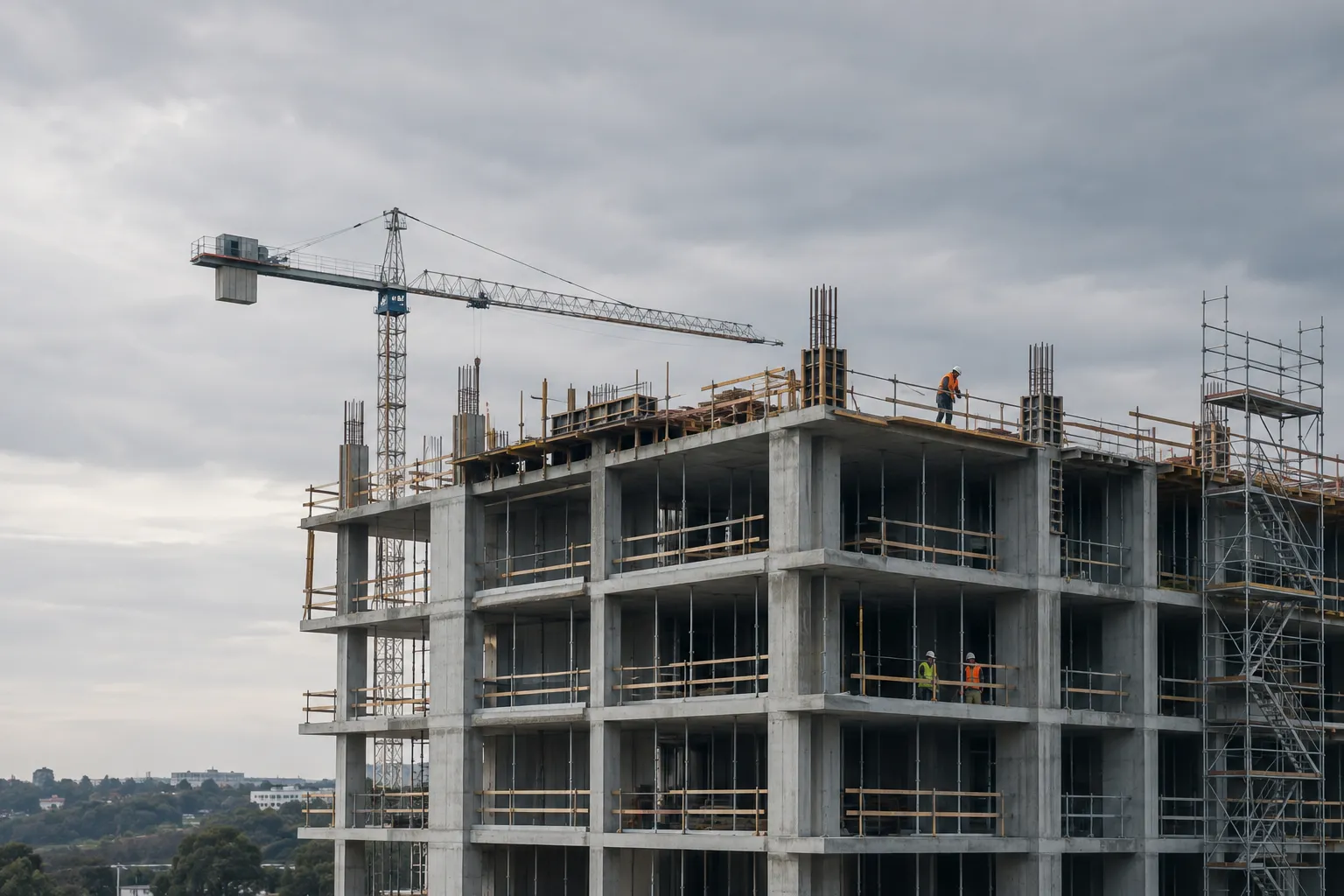
A new home is slow to build. A project that launches sales today typically needs months of presales, then a funding sign-off, then 12 to 30 months of construction depending on type. So weak inquiry now shows up as fewer starts over the next year, and fewer completions roughly two years out.
That timing is the catch. A buyer who walks away today does not hurt this year’s completions, because those homes are already under construction. The damage arrives later, as projects that never launched or never reached funding.
How thin demand turns into cancelled projects
Developers rarely cancel in a single dramatic moment. The pattern is quieter:
- Launches get pushed back while the sales team waits for conditions to improve.
- Presale targets take longer to hit, so funding approval slips.
- Costs keep rising during the wait, which squeezes margins further.
- Some projects are resized, repriced or shelved until the numbers work again.
Each step is rational for the developer. Added together, they pull completions down just as housing targets assume they will rise.
Key numbers
- Buyer inquiries: lowest in about seven years, per the developer’s update
- Typical lag from presale to completion: roughly 1.5 to 3 years
- Years most exposed to today’s weak launches: 2027 and 2028
The tax angle: a headwind or a convenient excuse?
Changes to investor tax settings are being blamed for some of the pullback, since investors have historically bought a large share of off-the-plan stock. There is a fair argument that reduced investor appetite removes a reliable source of presales.
There is also a counterargument. Borrowing capacity, higher living costs and cautious sentiment are all pushing buyers back at once. It is hard to pin the slump on one cause, and anyone claiming a precise split is guessing. What the evidence supports is that several pressures are stacking, and developers feel them at the same moment.
Commentary on this has split along predictable lines. One camp reads the slump as a short-term demand dip that clears once rate relief arrives. The other reads it as a structural supply problem that will outlast any rate cycle. Both can be partly right: demand can recover while supply stays slow to respond, because the pipeline rebuilds slower than sentiment does.
What a slow rebuild means for different readers
For first-home buyers, thin completions in 2027-28 could mean fewer new options and firmer prices on what is available, even if demand stays soft today. That is not a reason to rush. It is a reason to avoid assuming new stock will always be plentiful.
For investors, weak inquiry is a warning about resale and rental conditions in areas dependent on new supply. Fewer completions can tighten rental markets over time, but a project that does not complete delivers nothing, so check the builder’s funding position and presale status before committing.
For renters, tighter supply two years out tends to feed rents. The link is not automatic, but it points in one direction.
If you want the rate side of this picture, our guide to RBA interest rates and repayments explains how borrowing costs shape both buyer demand and developer funding.
What could change this read
The view weakens if inquiries rebound quickly, if lenders ease presale requirements, or if construction costs fall enough to restore margins on shelved projects. It also weakens if one developer’s inquiry data is not representative of the wider market. A single company’s funnel is a signal, not a census, so watch for the same pattern in other developers’ updates and in building approvals.
The practical step: before buying off the plan, ask whether the project has met its presale and funding conditions, and treat any delay in launch dates as information, not noise. Want the weekly signal? Subscribe to the newsletter.
General info, not financial advice.