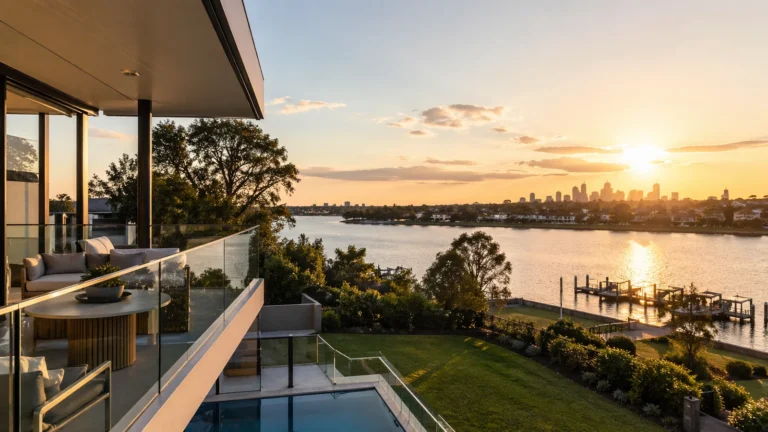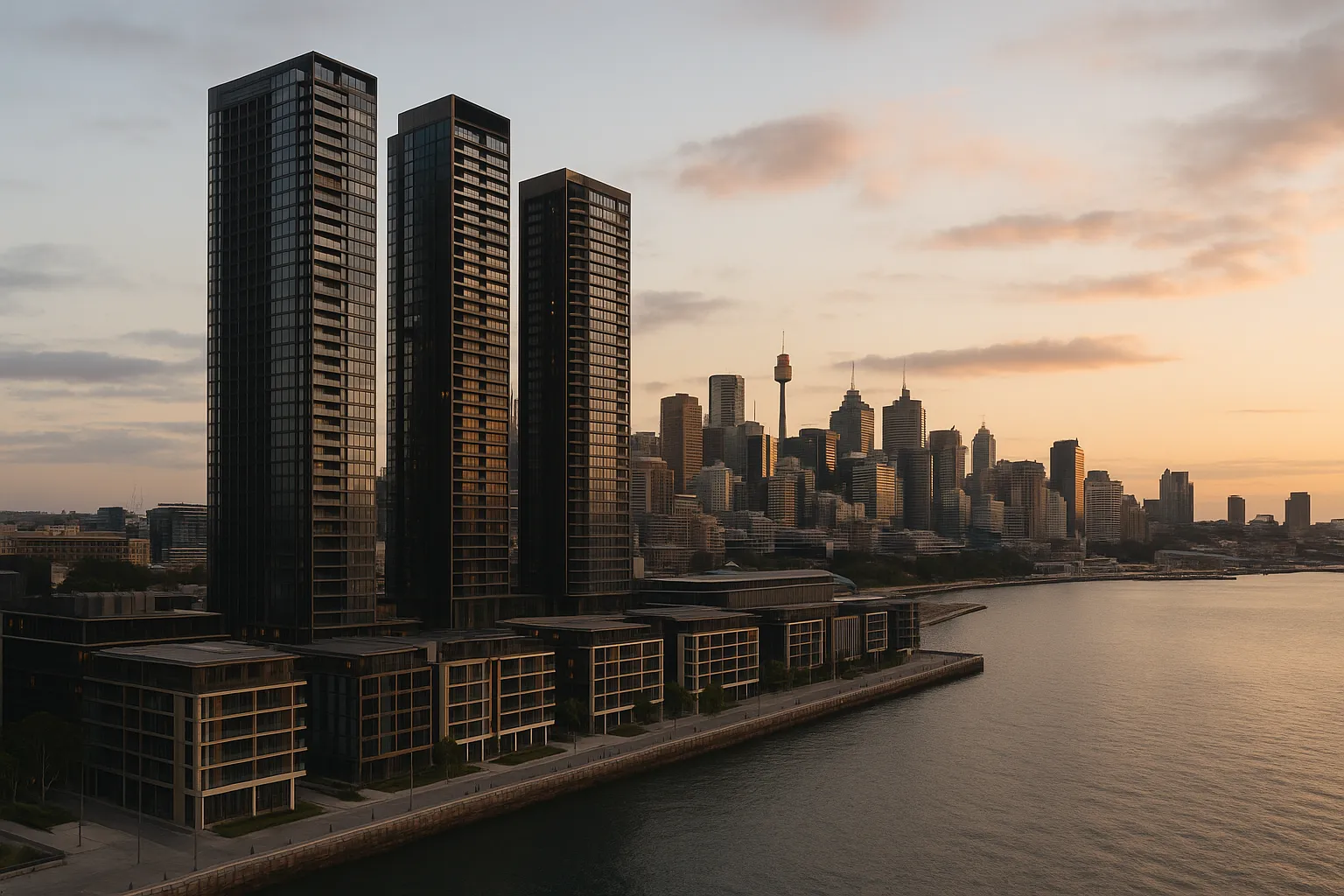
A couple who built their wealth through 12 McDonald’s franchises in Canberra are listing their Sydney harbourside apartment at Crown Residences for about $20 million. The sale adds a data point to a prestige market that’s seen patchy activity since rates started climbing in May 2022.
Crown Residences sits at Barangaroo, part of the city’s push to turn a former container terminal into mixed-use waterfront. Units there started settling around 2016, with penthouses and upper-floor apartments commanding harbour premiums. A $20 million price guide puts this sale in the top tier of Sydney strata, well above the city’s median but not unusual for waterfront prestige stock with uninterrupted views.
What the prestige market is doing right now
Sydney’s ultra-high-end property market, loosely defined as sales above $10 million, has slowed compared to 2021. CoreLogic data shows prestige transactions fell about 15 per cent year-on-year in the twelve months to June 2025, driven by higher mortgage costs for leveraged buyers and a smaller pool of offshore purchasers after Foreign Investment Review Board settings tightened in 2023.
That doesn’t mean no one’s buying. Cash-heavy buyers, local business owners, self-managed super funds with liquidity, recent asset sellers, are still active, but they’re taking longer to commit and negotiating harder. Agents report average days on market for prestige listings have stretched from around 90 days in 2021 to 140-plus days now, with more price reductions before settlement.
Rental yields at this price point sit around 2.0-2.5 per cent gross, so most buyers are looking for capital gain or lifestyle value, not income. That makes the market more sensitive to sentiment shifts than middle-market investment property, where serviceability and cashflow matter more.
The franchisee-to-prestige pattern and what it signals
Franchise operators, particularly in food retail, have been a steady source of prestige property buyers over the past decade. They typically build equity through business cash flow, sell stores or portfolios during consolidation waves, then allocate proceeds into property or other passive assets. This sale follows that pattern.
What’s worth noting: the decision to sell now, not hold. If the vendors were confident the next 12-24 months would deliver strong capital growth, they’d likely wait. Selling into the current market suggests either a portfolio rebalance, a move to another asset class, or a read that prestige property won’t outperform alternatives in the near term. We don’t know their actual motive, but the timing is a signal.
The catch
Prestige property doesn’t move in lockstep with the broader market. A $20 million harbourside apartment can sit for months even when suburbs 10 kilometres out are seeing multiple offers on $2 million houses. The buyer pool is thin, and each sale depends on finding one qualified party who wants that exact view, that exact building, at that moment. Price guides in this segment are rubbery, agents set them to attract lookers, and final sale prices can land 10-15 per cent either side depending on negotiation and urgency.
Trade-offs for buyers looking at this tier
If you’re in the market for prestige harbour property, now vs later comes down to three variables: access to liquidity without forced selling of other assets, your view on where the RBA goes next (one more cut by December is priced in, but beyond that is murky), and whether you’re buying for use or investment.
- Buying now: you’re negotiating from a position of strength in a slower market, but you’re also buying before we know if another rate cut materialises or if offshore buyer activity picks up in 2026.
- Waiting six months: you get more clarity on the rate cycle and spring auction results, but if prestige sentiment turns, you’ll be competing with more cashed-up buyers and less vendor urgency.
- Yield vs lifestyle: if you need income, this asset class doesn’t deliver it. If you’re parking wealth or buying a home, the yield is irrelevant but liquidity risk is higher, plan for a 12-18 month exit timeline if circumstances change.
What happens in the next quarter
Prestige listings typically cluster in spring (August-November), so Crown Residences will compete with other harbour and eastern suburbs stock. If this unit sells quickly and near guide, it signals the top end is holding. If it lingers or discounts, it confirms what agents are seeing elsewhere: buyers are cautious and price-sensitive even at the luxury end.
Watch for settlement timing. Prestige transactions often involve complex finance structures, offshore funds transfers, or SMSF purchases, all of which can delay settlement by 90-120 days. A long settlement period can mask a price cut or vendor urgency that doesn’t show up in public records until months later.
Next step if you’re in this segment
If you’re selling prestige property in Sydney now, price it within 5 per cent of recent comparable sales and be ready to move quickly if a qualified buyer appears, this isn’t a market where you test a high number and wait. If you’re buying, focus on vendors with clear exit timelines (relocation, portfolio shift, estate sales) rather than speculative listings, and assume 10-15 per cent negotiation room from the published guide.
Subscribe to the newsletter for weekly signals on prestige market movements and rate cycle updates.
General info, not financial advice.