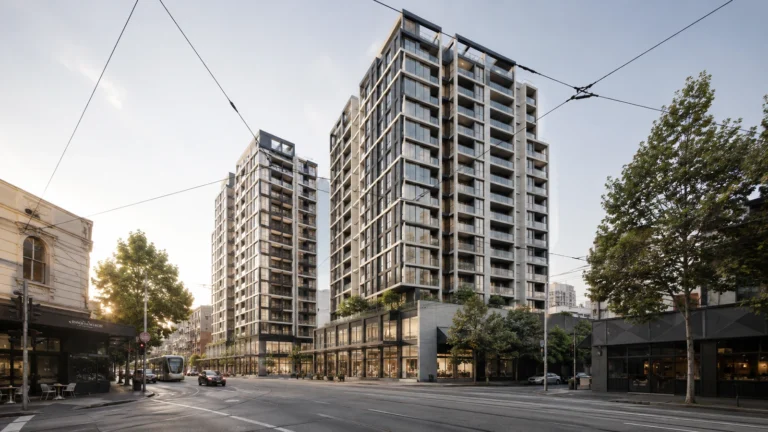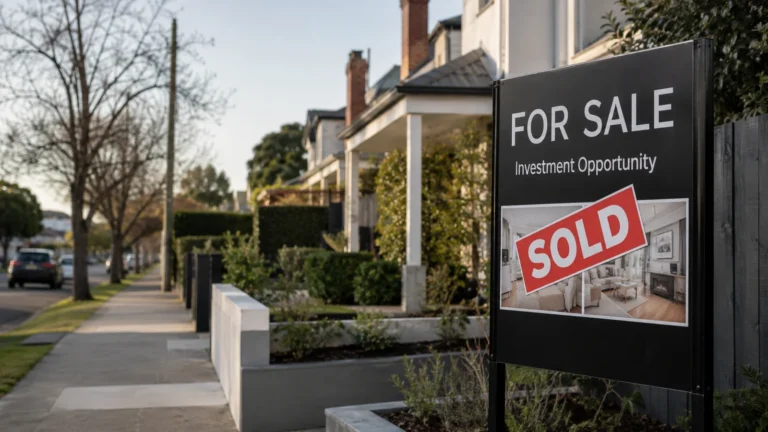
A South Australian advocacy group has proposed a vacant home levy that would start at 0.5 per cent of property value and climb to a 20 per cent marginal rate for owners holding multiple empty dwellings worth more than $6.8 million combined. Owners who don’t pay would face compulsory acquisition, with seized properties added to public housing stock. The state government has ruled out the idea for now, but the mechanics and offshore precedents are worth understanding if similar proposals surface elsewhere.
The Anti-Poverty Network SA estimates around 20,000 empty homes across Greater Adelaide, against 7,000 people sleeping rough and nearly 14,000 on the public housing waitlist. The group argues a levy would push more properties onto the rental market, reduce competition, and provide a revenue stream or asset pool for social housing at a time when new construction faces labour and materials bottlenecks.
How the proposed levy would work
Under the draft model, any dwelling not slept in overnight would be deemed vacant, including short-term rentals during unbooked periods, land-banked blocks, and dilapidated properties. The base rate is 0.5 per cent of capital value, so a property at Adelaide’s current median of $1.011 million would attract a $5,055 annual charge. The rate escalates for owners with multiple vacant holdings, hitting a top marginal rate of 20 per cent once combined vacant property value exceeds $6.812 million. Exemptions would apply once a construction contract is signed for a new build, designed to discourage land banking while not penalising genuine development pipelines.
The seizure clause is the sharpest edge: refusal to pay would trigger compulsory acquisition, transferring the property to public housing. No Australian vacancy levy has tested that mechanism at scale, so legal and constitutional questions around compensation, appeals, and enforcement timelines remain untested.
What Victoria’s version tells us about enforcement gaps
Victoria introduced a 1 per cent vacant residential land tax in 2018, targeting properties in inner and middle Melbourne left empty for more than six months in a calendar year. The rate is higher than the SA proposal’s base, but the scheme relies on self-reporting: owners must lodge an occupancy declaration each year. Compliance has been patchy, with many property holders unaware of the obligation or contesting vacancy definitions. The state collected around $87 million in the first four years, but occupancy data shows the tax moved the dial only modestly on vacancy rates, partly because enforcement resources are thin and partly because some owners absorb the cost rather than rent out properties they intend to sell, renovate, or land-bank.
The SA proposal includes a compulsory acquisition backstop, which in theory closes the compliance gap but introduces new friction: legal challenges, valuation disputes, and the administrative cost of seizing and converting properties. Victoria’s experience suggests that without active auditing and penalties that hurt more than holding costs, vacancy taxes can become an optional fee rather than a behavioural lever.
Offshore results: France and Vancouver
France has run a taxe sur les logements vacants since the mid-1990s, now levied in zones with tight housing markets. The rate starts at 17 per cent of notional annual rental value in year one, rising to 34 per cent from year two onward. The South Australian Council of Social Service cited a 13 per cent drop in vacancy rates over the first four years in affected areas, though the French tax applies to a narrower footprint and is enforced through municipal records rather than self-declaration. Penalties for non-payment are financial, not seizure, and the revenue funds affordable housing programs.
Vancouver introduced an empty homes tax in 2017 at 1 per cent, now 3 per cent after incremental increases. The city reports around 2,300 previously vacant properties returned to rental use in the first two years, and annual revenue of roughly CAD $71 million by 2022. Enforcement includes random audits, third-party data matching with utility records, and steep penalties for false declarations. The tax applies citywide, not just high-value zones, and exemptions are narrow. Vancouver’s model shows that tight definitions, cross-checked data, and credible audit risk matter more than the headline rate.
The catch
- Victoria’s self-reporting model sees patchy compliance and modest occupancy impact despite a 1% rate.
- Compulsory acquisition has never been tested at scale in an Australian vacancy levy, so legal and timeline risk is high.
- Offshore success correlates with narrow exemptions, audited data, and penalties enforced through fines rather than property seizure.
- Defining vacancy is harder than it looks: short-term rentals, renovations, estate sales, and seasonal occupancy all sit in grey zones.
Who carries the exposure if this passes
Overseas owners, particularly those holding Australian property for capital appreciation without active rental management, face the highest friction under a levy with teeth. Estate holdings where probate or family disputes delay sale or occupancy would be caught unless exemptions are carved out. Land-bankers and developers who hold improved sites off-market while waiting for zoning changes or market timing would be taxed unless a construction contract exemption is granted, which the SA proposal includes but with conditions.
Investors holding multiple vacant properties for renovation pipelines, short-term rental arbitrage, or land assembly face escalating rates under the proposed tiered structure. A portfolio with three vacant Adelaide houses at $1 million each would see a combined levy around $15,000 to start, climbing steeply if the owner holds more. Exit scenarios include forced sales into a market with more supply and softening prices, or conversion to long-term rental with margin pressure if the properties were previously optimised for short stays or land value plays rather than rental yield.
What could stall or reshape this
The SA government has no current plans to proceed, so the proposal sits as a policy marker rather than active legislation. If it advances, legal challenges around property rights, just-terms compensation, and the breadth of vacancy definitions would likely delay rollout by years. Political resistance from landlord groups, real estate bodies, and investors would be loud, framing compulsory acquisition as overreach even if non-payment is the trigger.
Enforcement design is the real test. A self-declaration model with weak auditing would replicate Victoria’s modest impact. A data-matched model using water, electricity, and council records with random audits and financial penalties would push compliance higher but require upfront resourcing. The seizure clause may never be used if financial penalties and interest charges on unpaid levies are set high enough to make payment the cheaper option, turning the threat into a deterrent rather than a mechanism that runs at scale.
The practical impact on investors and renters
If a vacancy levy passes with credible enforcement, expect a short-term supply bump as owners move properties into the rental pool to avoid the charge. That could ease vacancy rates and soften rents in tightly held inner suburbs, though the effect would be localised and temporary unless the levy is sustained and indexed. Investors holding vacant properties for capital growth would face a binary choice: rent them out and accept lower net returns after management and maintenance, or sell into a market where other vacancy-levy-affected owners are doing the same.
For renters, the benefit depends entirely on whether the levy shifts enough properties to materially ease competition. In Adelaide, 20,000 vacant homes is the advocacy group’s estimate; if even half are genuinely vacant and a levy moves a quarter of those into rental use, that’s 2,500 additional listings against a waitlist of 14,000 and a broader rental shortage. It helps, but it doesn’t solve the shortage on its own. Pairing a vacancy levy with other measures like inclusionary zoning, faster planning approvals, and public housing investment would multiply the impact.
Scenarios over the next 12 months
Base case: the proposal stays on the advocacy shelf, the state government continues its public housing build program without a vacancy tax, and Adelaide’s rental market tightens further as migration and interstate moves outpace new supply. Upside for renters: another state picks up the idea, pilots a data-matched model with tight exemptions and financial penalties, sees measurable occupancy gains, and creates a template that SA or other jurisdictions adopt within two to three years. Downside: a poorly designed levy with broad exemptions and self-reporting passes, collects minimal revenue, moves few properties, and poisons the policy space for better-designed versions.
Start here: if you hold vacant property in Adelaide or another state where vacancy levies are being discussed, model the cost of a 0.5 to 1 per cent annual charge against your rental yield, holding costs, and capital growth assumption. If the numbers tilt toward renting it out, start now rather than waiting for a levy to force the decision. If you’re renting and vacancy taxes become a talking point in your state, push for enforcement design details, not just headline rates, because that’s where success or failure will be determined.
Subscribe to the newsletter for weekly updates on housing policy, rental markets, and investor risk across Australia.
Related reading: Affordable housing loophole: how a $1 lease turned vacancy into 14 homes, Spare bedrooms: 13 million rooms sit empty as rentals tighten, Public housing maintenance crisis forces tenants into private rental market.
General info, not financial advice.