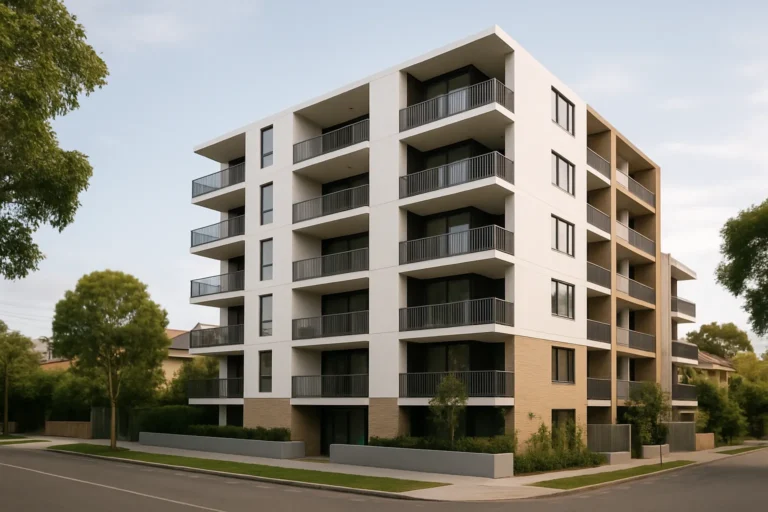
First-time buyer loan applications jumped 10% in early August compared to July, while investor and upgrader demand stayed flat. That makes new entrants the only cohort still pushing loan volumes higher after three rate rises and negative gearing changes knocked activity across the board.
The pattern shows up in official figures too. ABS data for June recorded a 2.9% decline in first home buyer loans on a seasonally adjusted basis, compared to an 8.6% drop for investors. In NSW, the ACT, South Australia and Tasmania, first-timer numbers are now running ahead of the same period last year.
Why new entrants are still moving
The Commonwealth’s 5% deposit guarantee scheme is doing most of the work. Applicants can borrow up to 95% of a property’s value with the government backstopping the loan, which eliminates lenders’ mortgage insurance. Since Labor expanded the scheme in October 2025 and scrapped income caps, more than 5,000 guarantees have been issued each month through July.
The program cuts typical upfront costs by around $15,000 for the median purchase. More than 320,000 people have used it since 2020, collectively saving over $2.5 billion in LMI by July 2026.
Demand is clustering around properties priced just below the scheme’s caps: $1.5 million in Sydney, $1 million in south-east Queensland, $950,000 in Melbourne and Geelong, $850,000 in Perth, $900,000 in Adelaide, $700,000 in Hobart. One data provider reported that homes within these caps have seen slower price falls than properties outside the thresholds, suggesting the guarantee is creating a price floor in that segment.
One big four bank that joined the scheme in March now counts guarantee participants as one in every 20 new loan applications, offsetting declines in other borrower types.
The investor retreat
Investor loan applications dropped 8.6% in the June quarter, and brokers report steady or flat demand into August. The combination of higher rates and abolished negative gearing for most new investment purchases has shifted the risk-return calculation.
A property finance executive described the sentiment swing: investors feel the policy environment has turned against them, while first-timers sense an opportunity. Reduced competition from buyers with larger deposits and cash buffers has opened space for new entrants who previously faced bidding wars.
The catch
- The guarantee caps create a narrow price band where demand concentrates, which can prop up values in that segment even as the broader market softens
- Properties above the caps or in locations with median prices near the threshold may see less first-timer interest, leaving them more exposed to the investor pullback
- If investor retreat continues and supply stays tight, upward pressure could return quickly once new buyers exhaust the pool of stock within the guarantee price limits
- The scheme’s effectiveness depends on continued government funding, any reduction in guarantee allocations would remove the tailwind
Who this helps and where the pressure builds
First home buyers in cities with caps well above median prices (Sydney, Brisbane) have more stock to choose from within the scheme. In markets where the cap sits close to or below the median (Hobart, parts of Melbourne), eligible properties are scarcer and competition remains higher.
The flip side: if investor demand stays low for an extended period, rental supply tightens and rents climb, eroding the affordability gain for renters trying to save a deposit. One analysis found single workers now spend 50-69% of pay on rent, a dynamic that makes the guarantee window valuable for those who can access it but leaves non-participants further behind.
The scheme also shifts risk. First-timers entering with 5% deposits have thin equity buffers if prices fall further or serviceability tightens. The guarantee protects lenders, not borrowers, from negative equity.
Scenarios and what changes the outlook
Base case: investor retreat continues for another 6-12 months, prices stabilise or fall modestly, first home buyer activity holds steady within the guarantee caps. The window stays open but narrows if rates stay elevated and wage growth lags.
Upside for new entrants: rates fall in early 2027, prices drop further before stabilising, and the government extends guarantee allocations. Competition remains subdued and affordability improves meaningfully.
Downside: investor demand returns sooner than expected (rates fall, negative gearing restored or modified), supply remains constrained, and prices firm before many first-timers can secure finance. The guarantee becomes a holding action rather than a structural shift.
What this means for decision-making
If you’re a first-timer and qualify for the guarantee, the policy tailwind is real but time-limited. Prices within the caps are falling slower than the rest of the market, so waiting for further drops may not deliver the expected discount in that segment.
If you’re an investor, the current pause in competition creates entry opportunities at lower prices, but policy risk remains elevated and serviceability is tighter. Any purchase needs to cashflow without relying on capital growth in the near term.
For renters outside the guarantee window, either income too high, property preference above the caps, or unable to save 5%, the investor pullback is a double bind. Less competition to buy means easier access for those who qualify, but reduced rental supply and rising rents make it harder to accumulate a deposit.
Watchlist for the next six months
- Monthly guarantee issuance numbers: a drop below 5,000 per month signals either funding constraints or saturated demand within the caps
- Investor lending volumes: any uptick suggests the sentiment shift is reversing
- Rental vacancy rates in capital cities: if vacancies keep falling while investor activity stays low, rent growth accelerates and undermines affordability for savers
- Price movements within vs outside guarantee caps: widening gaps confirm the scheme is creating segmented demand
- Policy signals on guarantee funding and negative gearing: any change resets the playing field
The current advantage for first home buyers is a function of two temporary forces, government backing and investor retreat, meeting at the same time. Both could shift within 12 months, so decisions made now should account for a narrower window than the activity levels suggest.
Subscribe to the newsletter for weekly updates on policy shifts, rate moves and what they mean for your next decision.
General info, not financial advice.