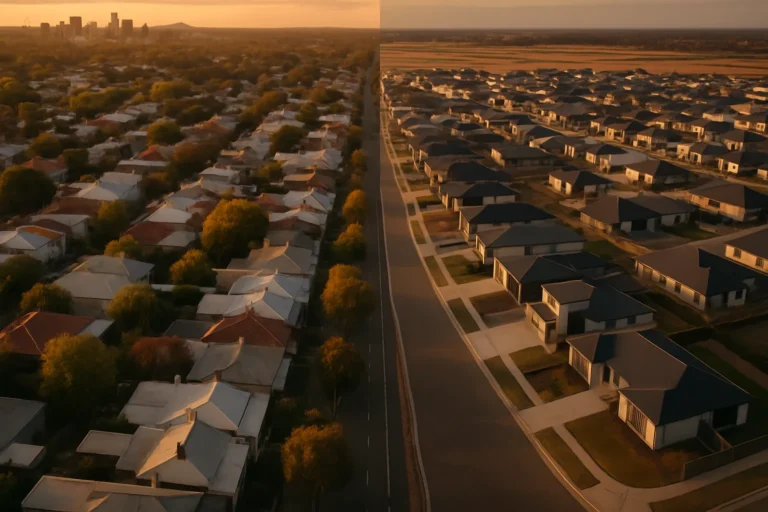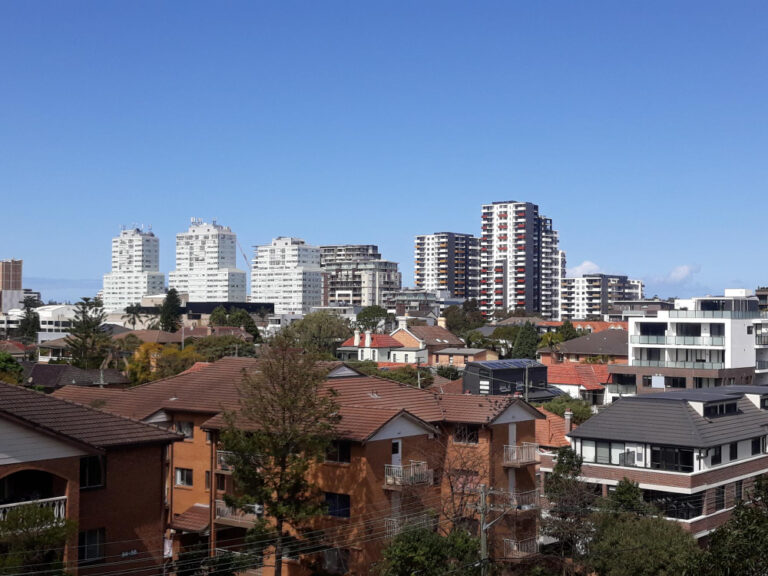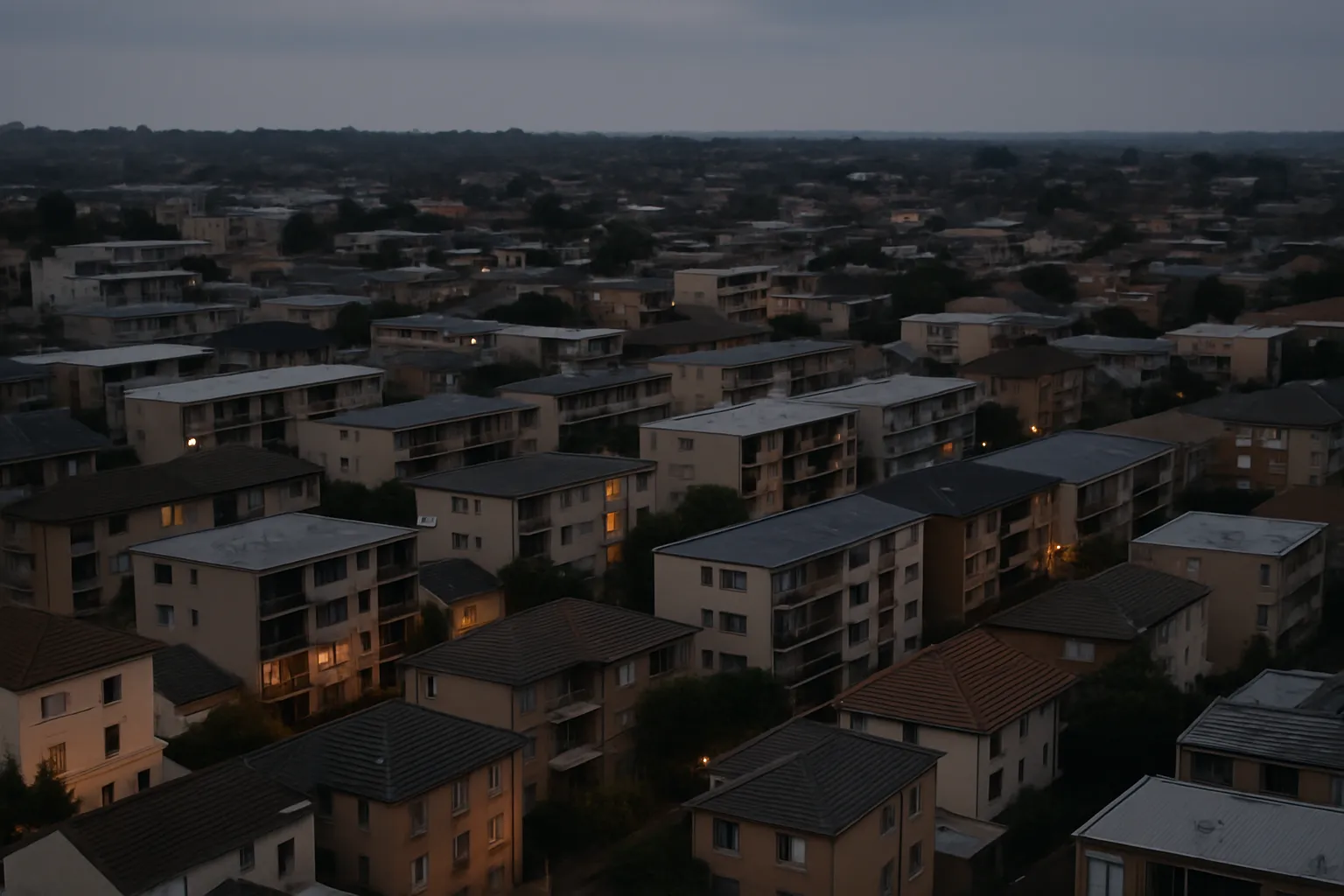
A single worker earning close to the median income now hands over most of their pay packet just to rent a one-bedroom apartment in any Australian capital city. The rental affordability crunch has moved decisively up the income ladder, leaving middle earners in housing stress and forcing uncomfortable choices about where to live and how much income to keep.
New analysis shows someone on $70,000 a year, roughly the median full-time income, would spend between 50% and 69% of their take-home pay on the median apartment rent, depending on which city they’re in. Sydney leads at 69%, up from 65% three months earlier. Adelaide, the most affordable capital, still costs over half of net pay at 51%.
Housing stress is formally defined as spending more than 30% of income on housing when your household sits in the bottom 40% of earners. A single person on $70,000 now meets that threshold in every capital, a marker of how far the rental crisis has climbed beyond low-income households.
How the numbers break across cities
Sydney’s median unit rent sits at approximately $756 per week. For someone earning $70,000, that’s $39,312 a year out of a take-home pay of roughly $57,000 after tax, 69% of net income.
Perth and Darwin track at around $669 per week (61% of take-home), Brisbane at roughly $631 (59%), Melbourne $603 (55%), and Adelaide $550 (51%). The percentages reflect take-home pay calculated at the $70,000 gross income level, with standard tax and Medicare levy applied.
Regional Australia no longer offers a cheap escape. Median rents in most regional centres now exceed $330 per week, which still crosses the 30% housing stress line for a $70,000 earner. The geographical pressure valve has closed.
Who this hits and what changes
At $40,000 a year, close to the full-time minimum wage or JobSeeker payment level, renters now spend 80% or more of weekly income on a typical capital city apartment. That income bracket was already deep in crisis; the new data confirms rental stress has pushed well into middle-income territory.
Even a $130,000 salary leaves a Sydney renter paying 40% of income for the median unit. That’s a household pulling down twice the median wage still facing tight cashflow after rent.
The practical response splits three ways: share housing (pushing up median household size in inner and middle-ring suburbs), moving further out (lengthening commutes and pressuring transport infrastructure), or leaving the city entirely (creating labour market friction for employers who need mid-skill workers on site).
Manufacturing, hospitality, healthcare and retail sectors, industries that cluster jobs in metro areas but pay closer to median wages, face the sharpest recruitment and retention pressure. A worker who can’t afford to live near their job eventually finds a different job or a different city.
What’s driving rents up
Rental growth has accelerated over the past 18 months, not the past 18 days. Median rents have climbed nearly $50 since March 2025 alone, well before any recent policy debate entered the frame.
Supply has lagged population growth for years. Migration returned post-pandemic faster than construction pipelines could match, and the shortfall compounds each quarter. Vacancy rates remain below 1% in most capitals, leaving tenants with almost no negotiating leverage.
Interest rate rises from 2022 onward pushed some would-be buyers back into the rental pool, adding demand without adding stock. At the same time, investors who did buy are passing higher mortgage costs through to tenants where possible, though rent is ultimately capped by what tenants can pay, which is now most of what they earn.
The catch
Raising rents further only works if tenants have more income to give. Many don’t. The next move isn’t higher rents; it’s household formation changes, more adults per dwelling, adult children staying home longer, or households relocating to cheaper markets and leaving job vacancies behind.
Scenarios and pressure points
Base case: rents flatten or grow slower than wages over the next 12-18 months as affordability limits get tested. Supply additions (units completing now were approved 18-24 months ago) will add stock in Melbourne and Brisbane, easing pressure slightly in those cities while Sydney and Perth remain tight.
Upside: if wage growth outpaces rent growth and vacancy rates tick up past 2%, affordability improves at the margin. That requires migration to slow, construction to accelerate, or both.
Downside: if household formation keeps compressing (more people per dwelling), headline rent-to-income ratios stabilise but individual financial stress worsens because households are splitting costs out of necessity, not choice. Labour mobility drops, economic participation suffers.
Red flags: watch vacancy rates and median household size in inner-ring suburbs. If vacancy stays sub-1% into 2027, rental stress becomes structural. If median household size keeps climbing, it signals affordability isn’t improving, people are just doubling up.
Trade-offs and what comes next
Policy responses sit on a triangle: build more, cap rent growth, or subsidise tenants. Each has costs.
Building more social housing (homes rented at a fixed percentage of tenant income) removes the most vulnerable households from market competition and frees up private rentals for middle earners. It’s slow and capital-intensive. One proposal circulating this week targets one in ten new builds as public housing, up from the current one in fifty. That would require sustained public investment and rezoning at scale.
Capping rent increases (limiting annual rises to a percentage or tying them to wage growth) protects existing tenants but risks discouraging new investment in rental stock if returns compress. Jurisdictions that have tried it see mixed results: tenants stay longer, but fewer new rentals enter the market.
Subsidising renters directly (Commonwealth Rent Assistance, state top-ups) helps individuals but doesn’t add supply. If demand stays high and stock stays flat, subsidies get captured by landlords as higher rents over time.
No single lever solves this. The scale of the problem, every capital city, every income band below six figures, suggests the policy response will need to combine faster approvals and construction with tenant protections and income support, calibrated to avoid creating worse distortions than the ones being fixed.
If you’re a tenant on a median income trying to work out whether to move further out, share a place, or push for a pay rise that keeps pace with rent, the uncomfortable truth is all three might be necessary. If you’re an employer trying to recruit mid-skill workers in a capital city, rental affordability is now a wage competitiveness issue whether you price it in or not.
For a deeper look at how investor decisions are shifting under affordability pressure, see our analysis on selling investment property when tenants cost you buyers. If you’re weighing a move to the urban fringe, check school zone property premium: what Sydney buyers actually pay for the trade-offs on location value.
What to do next
If you’re renting: pressure-test your cashflow assumptions for the next 12 months assuming rent rises another 5-8%. If that breaks your budget, start exploring share housing or outer suburbs now, before lease renewal forces the decision. If you’re an employer: consider how rental affordability affects your ability to attract and retain workers in metro locations, and whether wage settings or remote work policies need to adjust. If you’re an investor: understand that rental yield is increasingly capped by tenant affordability, not just market competition, higher rents only work if tenants can pay them, and the data shows that ceiling is close.
Subscribe to the newsletter for the weekly signal on what’s shifting in housing markets, rates and policy.
General info, not financial advice.