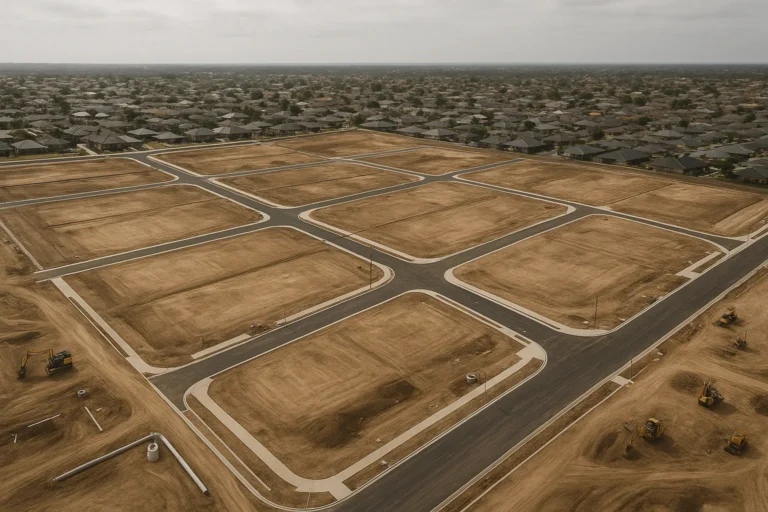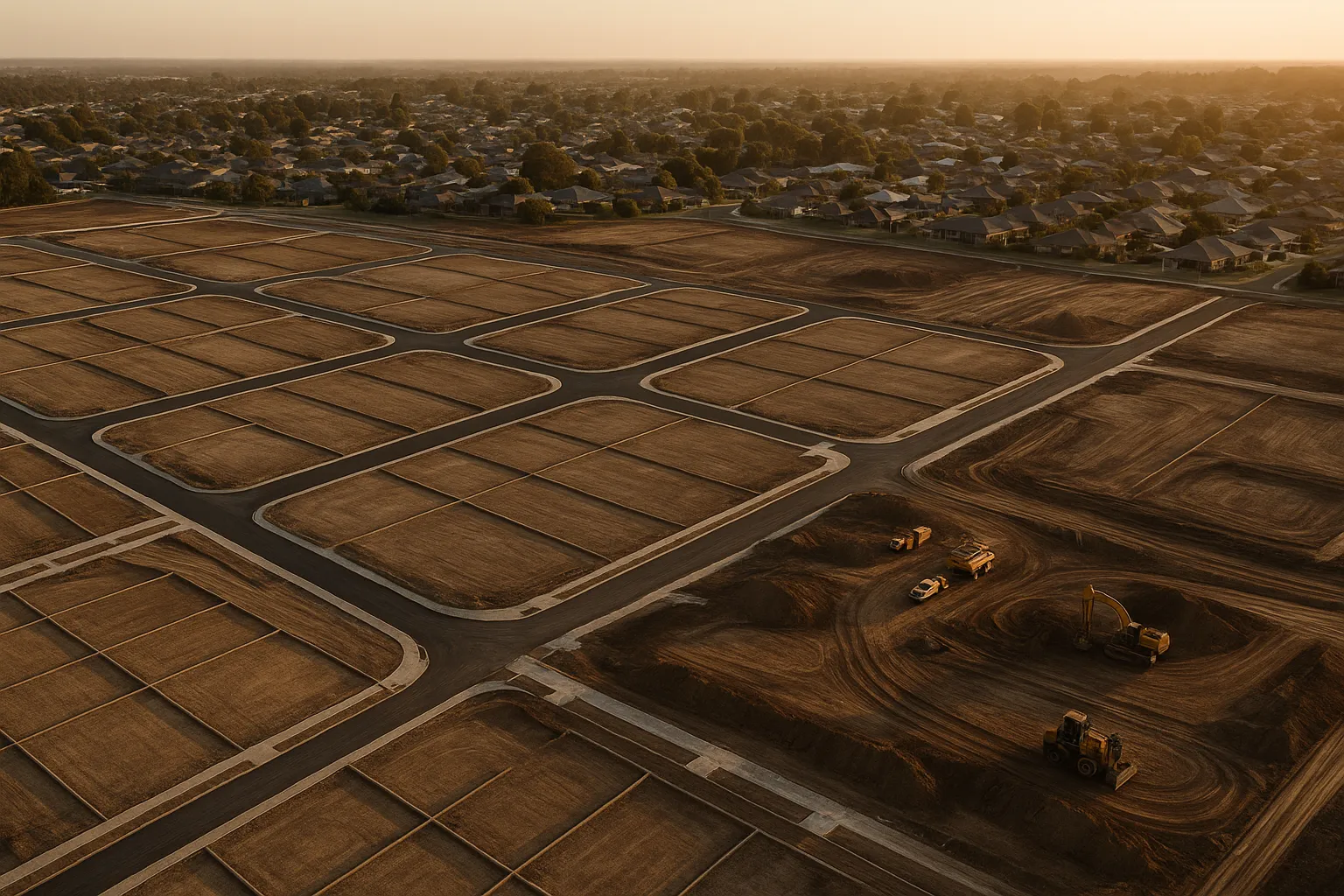
A housing provider just paid close to $1 billion for enough land to roll out thousands of new dwellings aimed squarely at downsizing Baby Boomers, and it happened the same week the buyer warned that inquiries from would-be residents are falling.
Ingenia Communities will acquire Perth-based land developer Peet for $2.12 per share in a mix of cash and scrip, valuing the company at roughly $993 million. The deal adds up to 7,000 residential lots to Ingenia’s pipeline, giving it the raw land inventory to meet what it sees as long-term demand from older Australians leaving the family home.
The timing is the tension point: Ingenia disclosed on Tuesday that a slowing housing market has hit inquiry levels in the current trading period. So the company is betting big on future downsizer demand while acknowledging present-day hesitation.
What this deal actually does
Peet develops and sells residential land, primarily master-planned communities in growth corridors. Ingenia operates manufactured home estates, land-lease communities and holiday parks, largely targeting retirees and downsizers. The takeover hands Ingenia control of Peet’s land bank and development pipeline, letting it secure sites for future communities without competing in the open market.
The $2.12 offer price sits above Peet’s recent trading range, and the deal structure, part cash, part Ingenia shares, means existing Peet shareholders can choose exposure to the combined group or an exit.
For Ingenia, the logic is straightforward: Australia’s over-65 population is growing faster than total housing supply, and downsizer demand has historically been interest-rate sensitive. Locking in land now hedges against future scarcity and price rises, assuming the demographic wave arrives as forecast.
The catch nobody is saying out loud
Ingenia is paying nearly $1 billion for land it will take years to turn into revenue, just as it reports weaker near-term inquiry. That’s not necessarily a mistake, it’s a bet on medium-term fundamentals over short-term sentiment, but it does carry execution risk.
If rates stay higher for longer, or if downsizers remain locked in existing homes because price falls have eroded equity, those 7,000 lots sit undeveloped while Ingenia services acquisition debt. The company is assuming that demand eventually catches up to supply, but the gap between land purchase and cash return can stretch wider than expected if market conditions don’t cooperate.
There’s also integration risk: Peet’s core business is selling land to third-party builders, not operating communities. Ingenia will need to repurpose or redirect those development agreements to fit its own operating model, which adds complexity and timeline uncertainty.
Key numbers
- $993 million, total deal value for Peet acquisition
- 7,000 lots, estimated additional land bank added to Ingenia pipeline
- $2.12 per share, offer price, mix of cash and scrip
- Over-65 population growth, faster than total housing supply, per ABS demographic projections
Who wins and who carries the risk
Peet shareholders get a clean exit or a stake in a larger combined group with more scale. Ingenia gets the land security it needs to execute a long-term downsizer strategy without competing against other developers every time it wants a new site.
But Ingenia shareholders are taking on near-term execution risk in exchange for that strategic optionality. If inquiry rates don’t recover within 12 to 18 months, the company will be sitting on a large land bank with limited ability to monetise it quickly. That’s not necessarily fatal, land banking is a standard strategy when you have patient capital, but it does lock up capital that can’t be redeployed if conditions shift.
The broader housing market also matters here. If Melbourne and Sydney continue to see price falls and supply increases, downsizers in those cities may delay moves, waiting for either price stability or better clarity on the value of their existing home. That defers Ingenia’s revenue timeline and puts pressure on the land development schedule.
Scenarios over the next 18 months
Base case: Rates stabilise or start to ease by mid-2027, inquiry levels recover modestly, Ingenia begins developing the first tranches of Peet’s land bank for staged rollout. Integration takes longer than expected but doesn’t derail the strategy. Revenue impact shows up in FY28 rather than FY27.
Upside: Rates fall faster than the RBA’s current guidance, equity markets rally, downsizers regain confidence and start transacting in volume. Ingenia’s land bank becomes a competitive advantage, and the company can accelerate development timelines to meet demand. Early lots sell or lease faster than forecast.
Downside: Rates stay elevated into 2028, downsizer inquiry remains weak, existing homeowners stay put because price falls have reduced the equity they’d use to fund a move. Ingenia holds undeveloped land for longer than planned, carries higher debt servicing costs, and faces pressure from shareholders who want to see returns sooner. Integration issues with Peet’s development pipeline add delays.
What to watch in the next six months
Ingenia’s next quarterly update will show whether inquiry levels have stabilised or continued to fall. If the trend continues downward, the company will need to explain how it plans to bridge the gap between current demand and the long-term land strategy.
Watch RBA commentary on rates and any forward guidance that suggests cuts are closer or further away than the market currently expects. Downsizer decisions are often delayed by uncertainty, so clarity on the interest-rate path, even if rates stay higher, can unlock activity.
Peet shareholder approval and deal completion timeline matter as well. If the transaction takes longer than expected or faces material opposition, it signals concerns about valuation or integration risk that the market hasn’t fully priced in.
Finally, track broader housing turnover data from CoreLogic and Domain. If downsizer-age cohorts (60-plus) start transacting at higher volumes in capital cities, it validates the demand thesis. If turnover stays flat or falls, it suggests the wave hasn’t arrived yet, or won’t arrive on the timeline Ingenia is betting on.
Practical take for investors and buyers
If you’re holding Ingenia shares, this deal is a long-term land security play that trades near-term earnings visibility for strategic optionality. The risk is execution and timing, the land bank only has value if demand materialises on a schedule that supports the capital outlay.
If you’re a downsizer considering a move, this transaction doesn’t change your decision timeline. The land Ingenia just acquired will take years to become finished communities. What matters for you now is whether your existing home’s value supports the move you want to make, and whether the downsizer options available today meet your needs. Don’t wait for future supply if current options work, but don’t rush if equity or affordability isn’t there yet.
If you’re tracking housing supply generally, this is a signal that developers with patient capital are still betting on demographic demand despite near-term softness. That’s useful information about where the market expects price and volume to head medium-term, even if the short-term picture is mixed.
Subscribe to Australian Property Review for weekly analysis on housing market moves, supply pipelines and what drives demand when sentiment shifts.
General info, not financial advice.