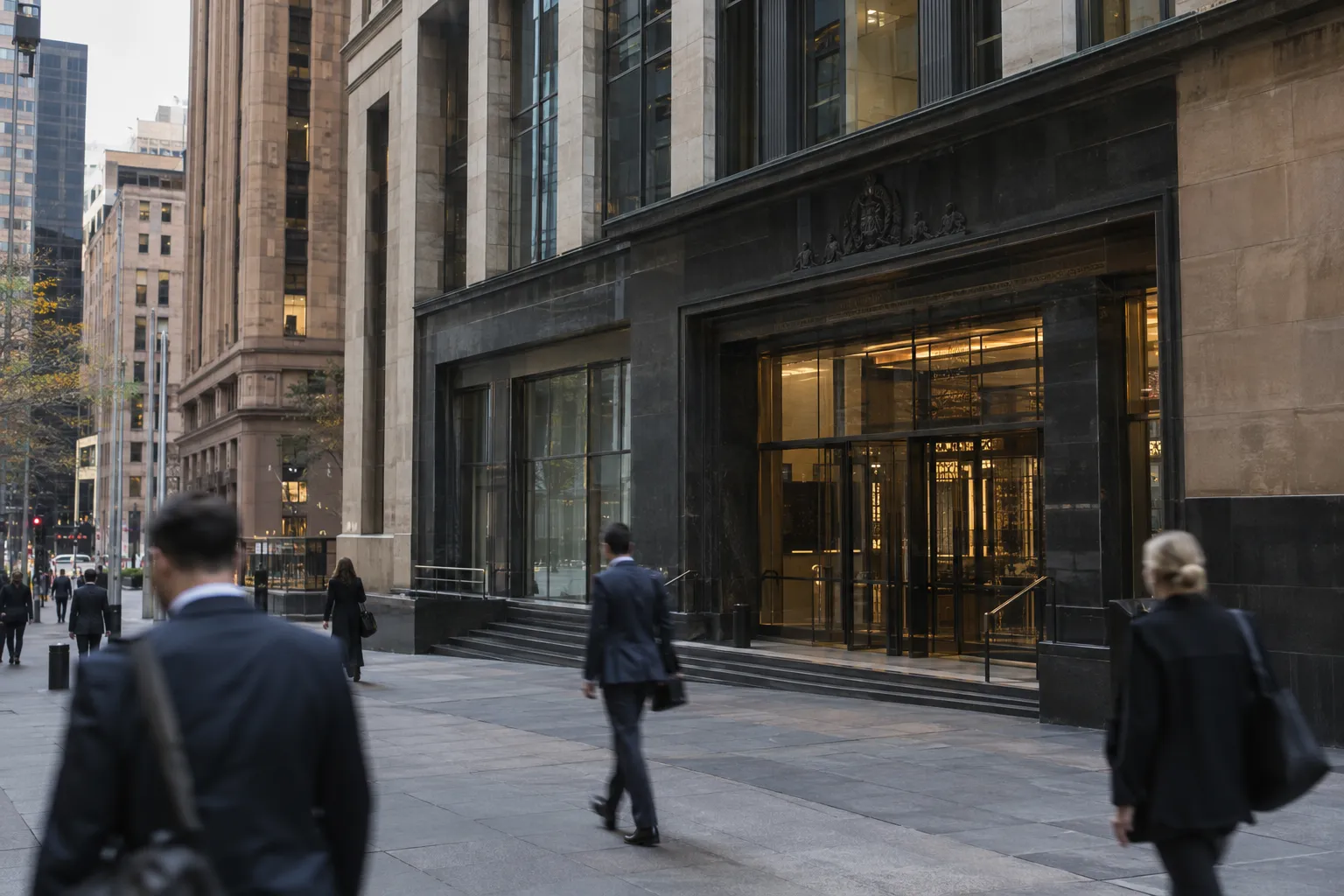
The Reserve Bank has admitted its own forecasts missed. A senior RBA official told a Sydney investment conference on Wednesday that the inflation picture is materially worse than the August projections, and markets read that as a signal that another RBA inflation rate hike is live for November.
The cash rate already sits at 4.60% after four increases during 2026. The question for borrowers is no longer whether rates are high. It is whether the peak is higher than the one they planned around.
What changed and what didn’t
Annual headline inflation reached 4.0% in the year to August, up from 3.5% in July. That is a sharp move in one month.
Trimmed mean, the measure the RBA watches closely because it strips out volatile items, held at 3.6%. It matched June and July. So the underlying trend did not accelerate, but it did not ease either.
That gap matters. A rising headline with a flat trimmed mean tells you the pressure is broad enough to stay put, even if it is not spreading faster. The bank has said easing will not begin until inflation is back inside its 2% to 3% target range. At 3.6% underlying, that is still some distance away.
Key numbers
- Cash rate: 4.60% after four hikes in 2026
- Headline inflation: 4.0% in the year to August, up from 3.5%
- Trimmed mean: 3.6%, unchanged from June and July
- Unemployment: 4.7% in September, up from 4.6%
- RBA target range: 2% to 3%
The hard choice facing the board
The deputy governor framed the trade-off plainly. The bank can lean harder against inflation and accept a weaker labour market. Or it can protect jobs and risk price growth becoming entrenched.
The jobs data shows the first path is already costing something. Unemployment rose to 4.7% in September from 4.6%, a third straight monthly increase. That suggests tighter policy is biting. Still, one investment-firm executive argued the bank will weigh prices well above employment, which is consistent with the hawkish tone of the September meeting minutes released in October.
In plain English: a rising jobless rate is not yet enough to make the board blink. If inflation keeps surprising on the upside, the bank has signalled which side of the trade-off it is more worried about.
Where the unpriced risk sits
This is where the suggested angle matters most. A forecast miss does not hit all borrowers equally.
Recent buyers. Anyone who bought in the past two years with a thin buffer was assessed at lower rates. Another increase lifts repayments on top of four already absorbed. Falling property prices, which brokers report, also shrink the equity cushion if they need to refinance.
Investors on variable rates. They carry repayment risk and rental income that may not keep pace. If the peak moves above current forecasts, cashflow assumptions built on a nearer peak start to look generous. Interest deductibility softens the blow, but only after the cash has left the account.
Borrowers rolling off fixed terms. Brokers say fixed rates have risen by roughly 35 basis points. Anyone coming off a lower fixed rate faces a steeper reset than they may have budgeted for.
None of this is a prediction that the cash rate will hit a specific level. It is a reminder that the risk is skewed. When forecasts are revised in the wrong direction, the cost lands on those with the least room to absorb it.
What brokers are seeing on the ground
Mortgage brokers largely expect a November rise. They report tighter borrowing capacity, falling property prices, and clients asking whether to lock in a fixed rate now.
That last question has no clean answer. Fixing removes uncertainty but locks in a rate that is already 35 basis points higher than before. If the peak turns out lower than feared, a fixed borrower pays for protection they did not need. If it turns out higher, they were right to act.
One broker pointed to government spending as the swing factor. If fiscal policy keeps demand elevated, the RBA has to do more of the work, which pushes the peak higher for longer.
For more on how the cash rate flows through to your repayments, see our guide to the RBA, interest rates and repayments. Earlier in the cycle, we also tracked how rate hike odds flipped as services inflation stuck.
What would change the picture
Three things would shift the outlook:
- Trimmed mean falling back below 3.5% in the next release
- Unemployment rising faster than the current slow drift
- A clear change in the bank’s language from the next board meeting
If none of those arrive, a November increase stays the base case among brokers. If inflation overshoots again, the debate may move from one more hike to how long the cash rate stays at its peak.
A practical next step
Run your repayments at 0.25 to 0.50 percentage points above today’s rate and see whether the budget still holds. If it only works at the current rate, that is the number to act on before November, whether that means building a buffer, talking to your lender, or reviewing a fixed term.
Want the weekly signal on rates and credit? Subscribe to the Australian Property Review newsletter.
General info, not financial advice.