Every few months someone declares the property market bottom, and every few months someone else says they are dreaming. The latest round pits estate agents, who say the floor is in, against an independent data analyst who says no capital city is close. Both camps are arguing about a turning point that can only be confirmed after it has passed.
So skip the argument. A property market bottom is not a feeling. It is a set of measurable conditions, and you can check them yourself.
Why the bottom is hard to call in real time
A trough only looks obvious in hindsight. Prices can flatten, tick up for a month, then slip again. By the time the pattern is clear, the early buyers have already moved.
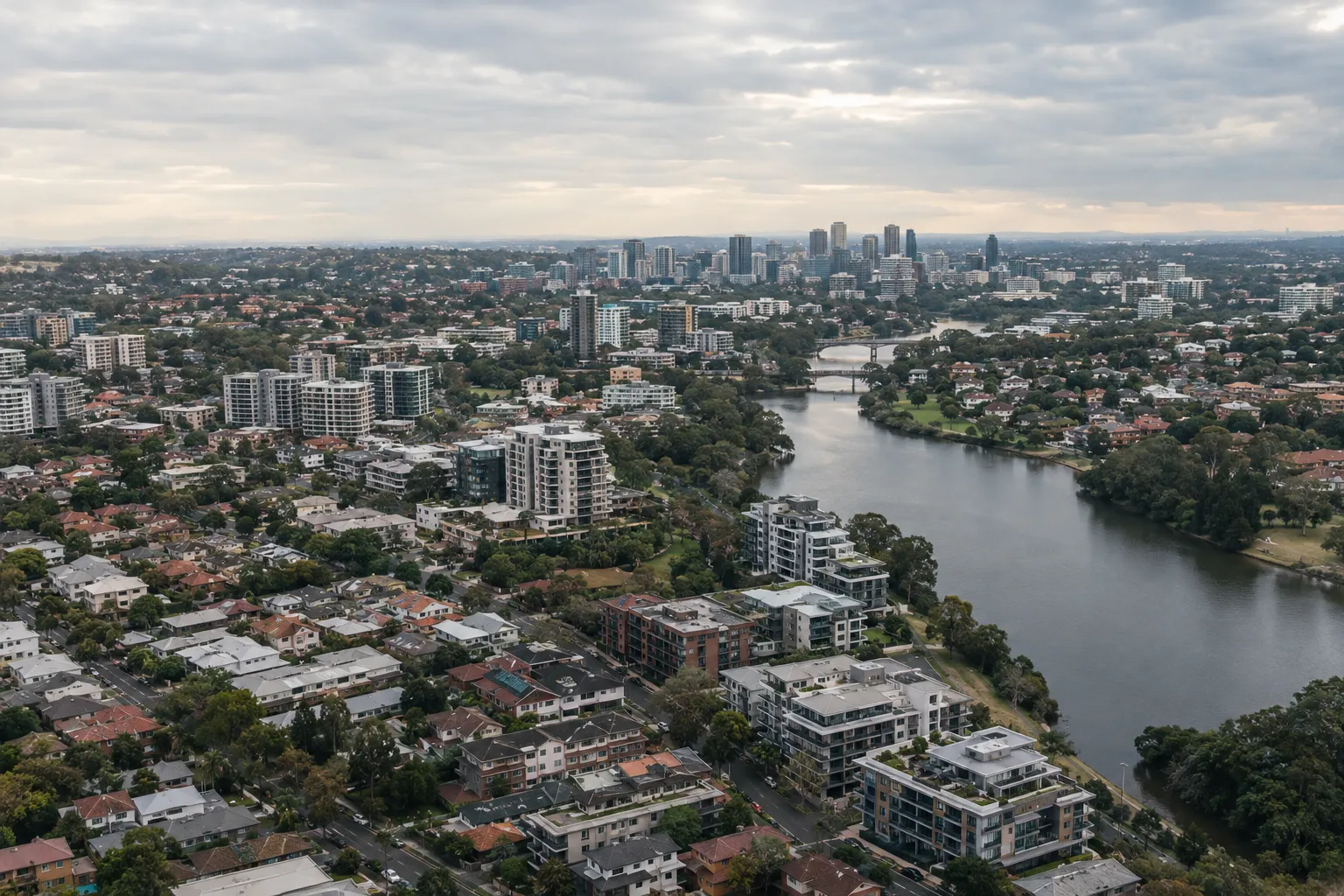
That is why headline numbers are a weak guide. A capital city median blends thousands of sales across very different suburbs and property types. Sydney’s median alone rests on 658 suburb figures, and when transaction volumes are thin or the mix shifts between houses and apartments, the headline can move without the underlying market changing at all.
Who you can trust on direction
Agents deal in optimism. Their income depends on activity, so a bullish call is rarely a neutral one. That does not make them wrong, but it does make them an unreliable source on whether the market has turned.
Independent analysts have a different problem: they can be early or late like anyone else. The useful move is to treat any call, bullish or bearish, as a hypothesis and test it against the indicators below.
The five indicators that actually mark a floor
A genuine bottom tends to show several of these at once, not just one.
- Listings: Fresh listings stop climbing and total stock starts to shrink. Rising stock means sellers are still outnumbering buyers.
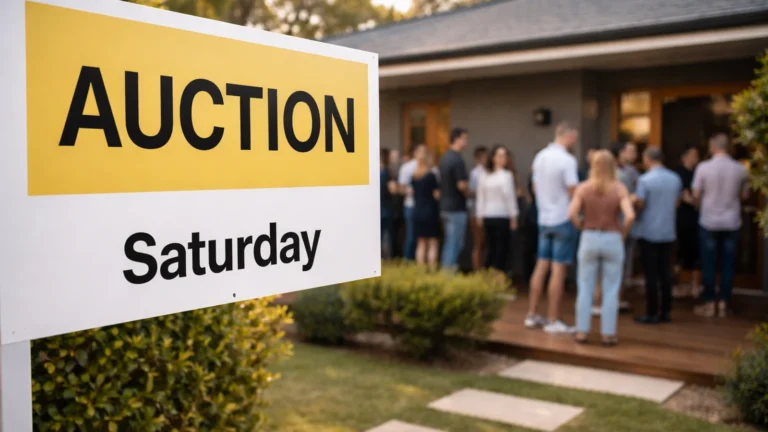
- Clearance rates: A sustained lift, not a one-week bounce. The analyst quoted in the source coverage dismissed hope built on small gains in auction clearance rates as wishful thinking. One good Saturday proves little.
- Mortgage arrears: Arrears are a lagging stress signal. A bottom is hard to call while they are still rising, because forced sales add supply.
- Credit growth: Lending volumes need to stabilise or recover. Prices rarely rise on falling credit.
- Days on market and discounting: Stock should start selling faster, with smaller gaps between asking and sale prices.
On that checklist, the analyst’s view is that no city is there yet. Melbourne may be nearer a trough than the others, but nearer is not the same as arrived.
Why suburb medians beat the headline
The more useful lens is local. Suburb medians, split by property type and bedroom count, show where pressure is real and where it is not.
Two Sydney examples show how different the picture can be. Parramatta one-bedroom apartments sit at a $505,000 median, their best since 2023, though still below the 2022 high of $527,500. Turnover there in 2026 is at record levels, which suggests real buyer activity rather than a thin, distorted sample.
Lidcombe one-bedroom units tell a different story. The median is $576,000, flat since May last year and well under the 2022 peak of $620,000. Median days on market is 82, with only 22 listings. Flat prices, slow sales and a small pool of stock is a market that is stuck, not recovering.
Same city, same property type, two different readings. That is the point. A single capital city call hides this.
Different advice for investors and owner-occupiers
Investors should lean on statistics and be patient. Waiting for several indicators to align costs some upside but avoids buying into a falling market. Our guide to house prices, downturns and auction clearance rates covers how to read those signals.
Owner-occupiers have a different test. If you plan to live in the home for years, timing the exact bottom matters less than buying a fairly priced property you can afford. Study comparable sales, and make sure you could still service repayments through a period of financial hardship, such as a rate rise or a loss of income.
Price guides can also mislead, so check how they compare to recent sales. Our piece on underquoting laws and why price guides still sit too low explains why.
What would change my mind
I would shift from cautious to constructive if listings started falling, clearance rates held higher for several weeks, arrears stopped climbing and credit growth turned up. Any one of those alone is noise. Together, they are a signal.
Until then, the honest position is that nobody knows where the floor is, and anyone claiming certainty is selling something.
Your next step: pick your target suburb, pull the median for your property type and bedroom count back to 2020, and check days on market and listing counts before you form a view. Want the weekly signal? Subscribe to the newsletter.
Key numbers
- $505,000: Parramatta one-bedroom apartment median, below the $527,500 high of 2022
- $576,000: Lidcombe one-bedroom unit median, versus a $620,000 peak in 2022
- 82 days: Lidcombe median days on market
- 658: Sydney suburb medians feeding the headline figure
General info, not financial advice.