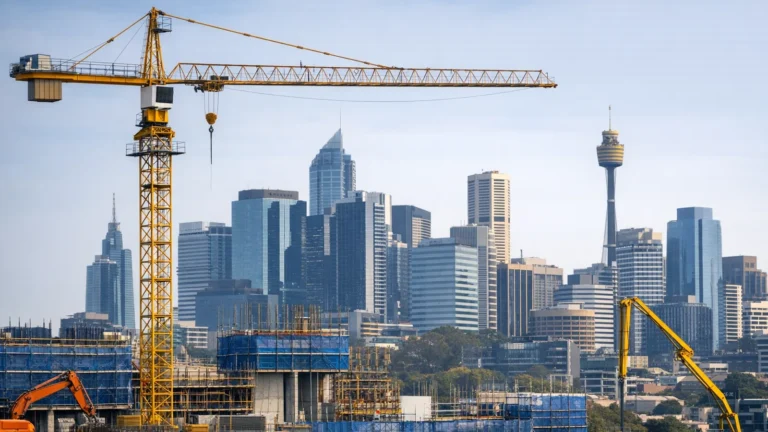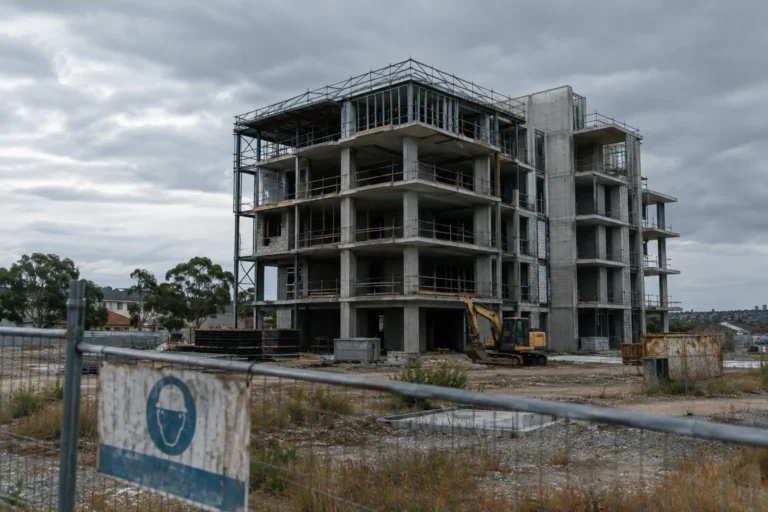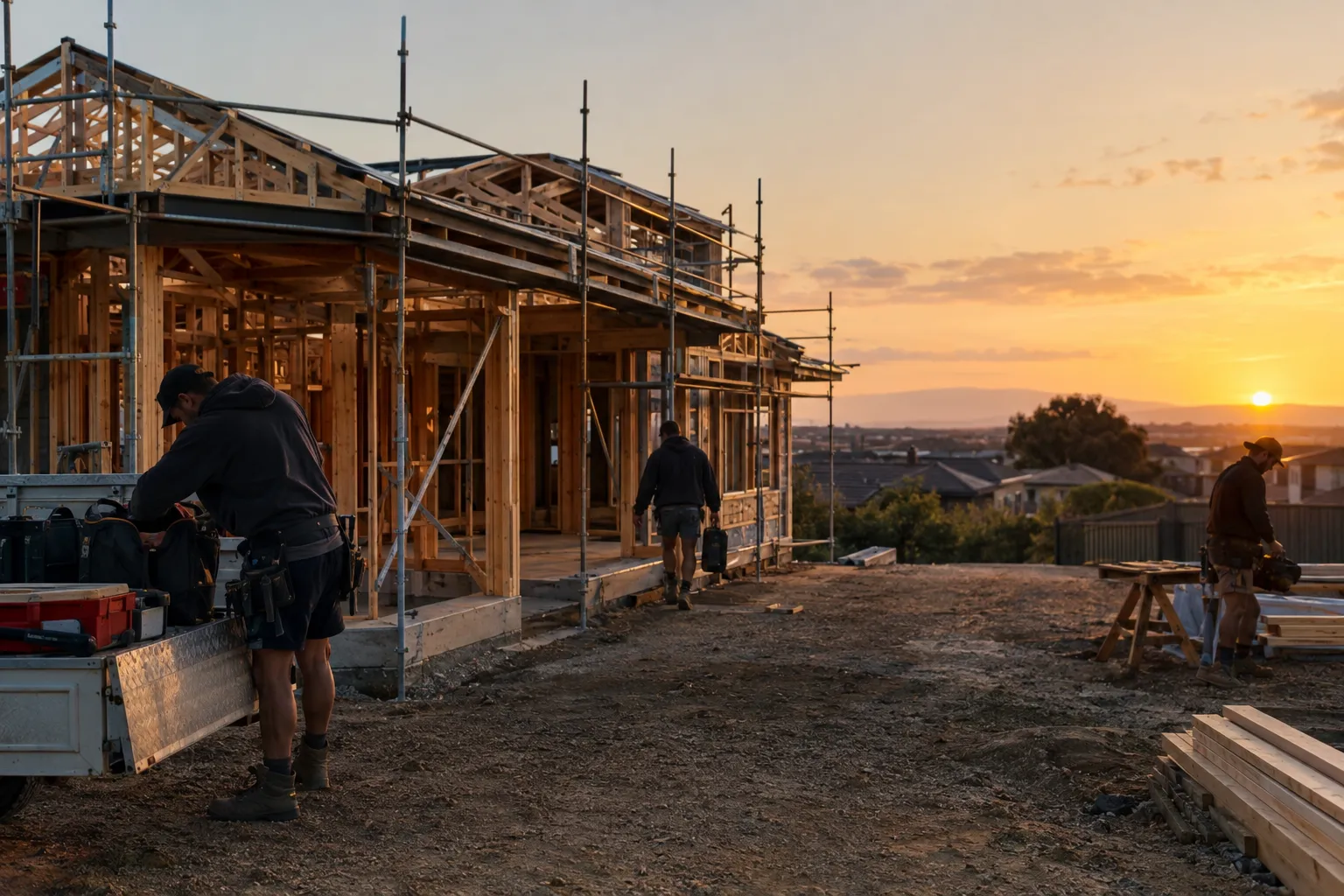
When people ask who benefits from interest rate rises, the honest answer on 3 November 2026 is: not the people who build homes. The central bank lifted its benchmark rate to 4.85 per cent, the highest since November 2008. The rate decision is built around inflation and household demand. It does not price in what happens to the supply side when the builders and tradies delivering homes face a higher cost of money on top of everything else.
A building-industry body says that is exactly where the pressure is landing. Its argument is simple: the sector was already stretched, and this tips more projects from marginal to unviable.
Why interest rate rises hit builders harder than most
A builder carries costs long before the client pays the final invoice. Materials, wages, subcontractors and insurance all come first. Borrowing to fund that gap gets dearer with every rate rise, and a longer build means a bigger interest bill.
The cost base the industry body describes is already heavy:
- Building a new house costs 53 per cent more than before the pandemic.
- Roads and bridges cost 33 per cent more to deliver.
- Non-residential projects cost almost 40 per cent more.
- Materials inflation is at a three-year high.
- The number of apprentices has fallen to a five-year low.
Those are the body’s own figures, and they come from an organisation with a clear interest in the policy debate. Even so, the direction matches what most builders report: costs have stepped up, and the labour pipeline is thin.
Key numbers
- 4.85%: cash rate, an 18-year high
- 53%: rise in new house build costs versus pre-pandemic
- About 40%: rise in non-residential project costs
- 90,000+: construction firms the body says would be hit by proposed trust changes
The viability squeeze on new projects
A project goes ahead when the expected return clears the cost of building and the cost of funding it. Raise both and fewer projects clear the bar. That does not show up in the rate decision, but it shows up later in starts, and later again in completions.
The body says forecasts for construction activity have already been trimmed, and that housing supply remains short of target. That second point matters. Approvals have improved in recent months, but approvals are not homes. Our look at home building approvals near a four-year high covers why the gap between a permit and a finished dwelling is where the risk sits. The approvals shortfall of 32,000 shows how far the pipeline already sits from the national target.
Higher funding costs make that gap wider. A smaller builder with thin margins may delay a start, hand back a contract or, in the worst case, fail. When a builder fails mid-project, the homes in the pipeline stall with it.
Tax changes stack on top of the rate rise
The body is also fighting a proposal to change how trusts are treated, which it says would raise taxes and compliance costs for more than 90,000 construction businesses. It frames this as the latest in a run of hits, pointing to earlier changes to negative gearing and capital gains tax, plus a ban on self-managed super funds buying housing.
Those claims are one side of a contested debate. Policy changes in this area often have winners and trade-offs, as we covered in our piece on the negative gearing new dwelling test. What is hard to dispute is the cumulative effect on sentiment: if investors and builders both expect a worse return, fewer homes get started.
Its representatives are due to give evidence against the trust measures to a Senate committee on Thursday, so that argument will get tested publicly soon.
What it means for completions and buyers
The chain runs like this. Dearer money and dearer materials weaken viability. Weaker viability means fewer starts and more insolvencies. Fewer starts today means fewer completions in 12 to 24 months. If demand holds up, that points to tighter supply and firmer pricing for new stock, though a weaker economy could soften demand and blunt that effect.
There are real unknowns here. Not every builder is equally exposed, and project pipelines already under contract will keep completing for a while. Some of the cost pressure may ease if materials inflation cools. The honest read is a base case of slower delivery, with the risk skewed to the downside if more firms fail.
If you are buying off the plan or building, check your builder’s financial position and the contract’s fixed-price terms before you commit. If you want the repayment side of this story, our guide to RBA rates and mortgage repayments is a good start. For the weekly signal on rates and supply, subscribe to the newsletter.
General info, not financial advice.