Sydney apartment buyers are saying one thing and doing another. Recent survey data shows 65% cite build quality as a hesitation when considering new construction, yet 75% agree a brand-new apartment delivers a more modern, tech-enabled lifestyle than established stock. The gap between what buyers want and what they trust is creating a two-speed market: projects with track records and generous floorplates are moving, while anonymous tower launches with cramped layouts sit longer.
The question is whether this represents a genuine demand shift or affordability-driven aspiration, and what portion of Sydney’s current apartment pipeline now sits outside buyer criteria.
The size threshold that’s changed
Floorplan expectations have reset. A decade ago, a 55-square-metre one-bedroom passed as standard. Today, Sydney apartment buyers are hunting for one-bedrooms with an actual study or media room, not a desk nook carved from the living area, and two-bedrooms north of 75 square metres. Three-bedroom apartments with fewer than two bathrooms or no separate laundry are getting passed over at inspections.
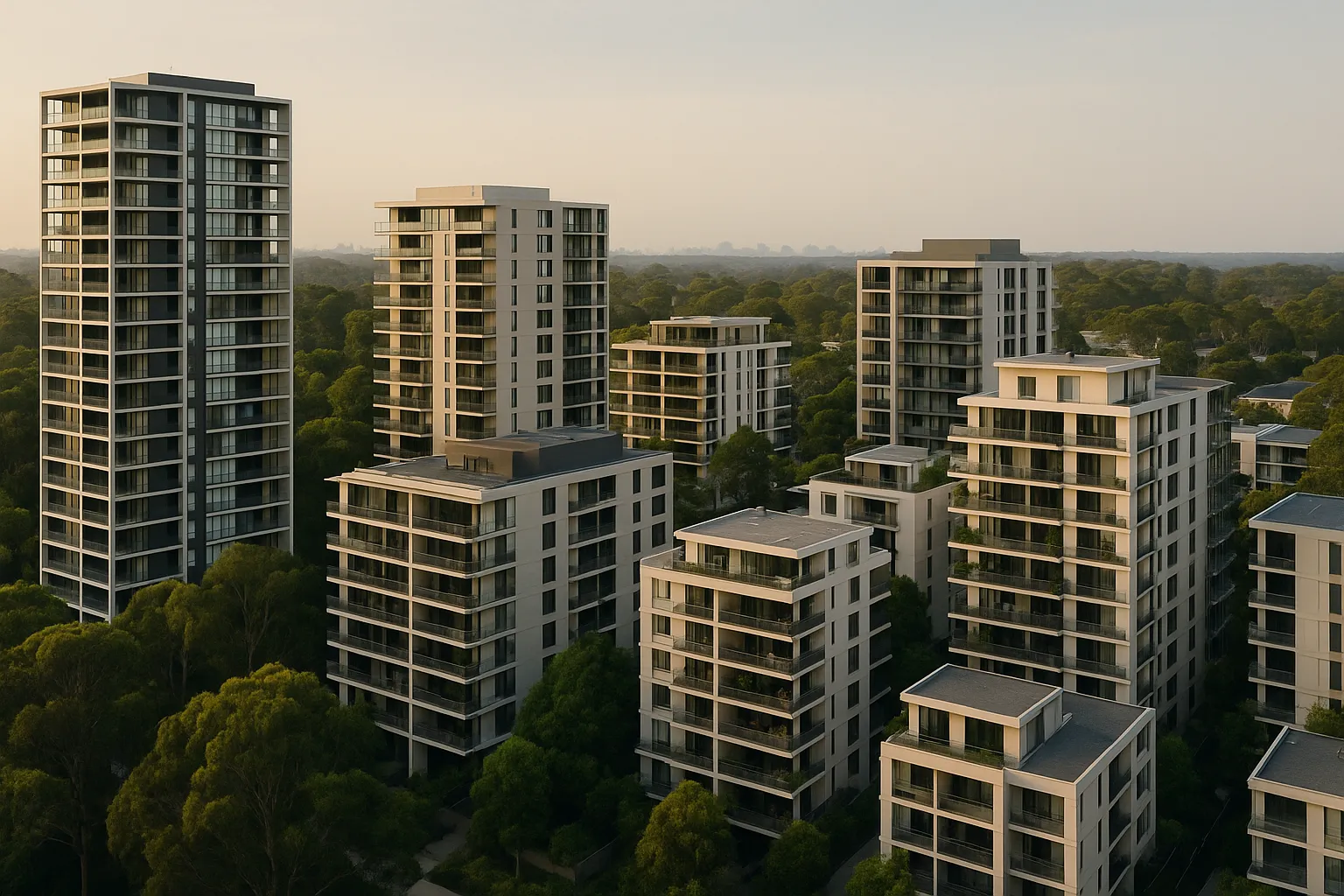
This isn’t sentiment; it’s showing up in sales velocity. Projects offering 65–75 square metre one-bedrooms with flexible second rooms are converting inspections to offers faster than comparable towers with 50–58 square metre single-aspect units. The St Leonards precinct, where several developments are under construction, is a live test case: larger floorplates with full-height glazing and step-free balcony transitions are achieving earlier deposit milestones than competing projects with tighter layouts.
The catch: only a fraction of current Sydney apartment stock, both off-the-plan and completed, meets this brief. CoreLogic data shows median one-bedroom apartment size across Greater Sydney new construction sat at 52 square metres through 2024–2025, below the threshold buyers now describe as liveable.
Build quality as the new price floor
Quality concerns aren’t abstract. Defect headlines, combustible cladding remediation bills and settlement delays have pushed buyers toward developments backed by established builders and developers with Australian project histories. Independent third-party ratings, like the iCIRT system that assesses structural, fire and waterproofing standards, are now appearing in sales material because buyers are asking for proof, not promises.
Projects delivered by developers with a decade-plus Australian track record and completed residential towers already occupied are achieving a 10–15% premium per square metre over comparable precincts where the developer or builder has no prior Sydney delivery. This premium isn’t hype; it’s a quality discount being priced into unproven stock.
The risk: as buyer scrutiny tightens, apartments in buildings with no ratings, anonymous developers or builders with thin margins may sit longer or require price adjustments to move. That creates a valuation wedge within the same postcodes, quality-backed stock holding value while generic towers reprice.
The amenity arms race and what actually lifts resale
Every new Sydney apartment launch now lists co-working lounges, gyms, pools and pet wash bays. Buyers expect these, but not all amenities lift long-term value equally. Functional features, secure bike storage, EV charging, flexible work-from-home spaces, are retaining appeal post-settlement. Decorative lobbies and underutilised rooftop bars tend to fade as a selling point once residents move in.
Data from resale transactions in completed Sydney apartment buildings shows that buildings with genuine car-share integration, dedicated parcel rooms and acoustically separated gym spaces achieve 3–5% higher per-square-metre resale pricing than those with resort-style pools that see low usage. Buyers are learning to distinguish between amenity that improves daily life and amenity that photographs well.
The numbers that matter
- 65% of new-home shoppers cite build quality as a purchase hesitation
- 75% agree new builds offer more modern, tech-enabled living than established apartments
- Median one-bedroom apartment size in new Sydney construction: 52 sqm (2024–2025)
- Quality-backed developments achieving 10–15% premium per sqm over unproven stock in same precincts
- Resale pricing lift from functional amenities: 3–5% per sqm vs decorative features
What this means for current apartment stock
If buyer expectations have shifted to larger floorplans, proven builders and third-party quality ratings, a significant portion of Sydney’s apartment pipeline, both under construction and recently completed, no longer fits the brief. Towers with sub-55 sqm one-bedrooms, anonymous developers and no independent quality certification will either need to reprice or wait for a different buyer cohort.
This creates two scenarios over the next 12–18 months. Base case: quality-backed stock with generous layouts continues moving at or above current pricing, while generic towers see slower absorption and 5–10% price reductions to clear inventory. Upside case: if interest rates fall faster than expected and credit conditions ease, affordability pressure may pull buyers back toward smaller, cheaper stock regardless of quality concerns. Downside case: if defect headlines continue and buyers tighten criteria further, the quality premium widens to 20%+ and older, lower-grade apartment stock becomes unsaleable without deep discounts.
The RBA pause expected in August could ease some affordability pressure, but it won’t change the structural gap between what buyers now want and what much of the market was built to deliver.
Where this leaves first-home and investor buyers
First-home apartment buyers face a trade-off: smaller, cheaper stock that meets stamp duty concessions but may struggle at resale, or larger, quality-backed units that exceed concession thresholds but hold value better. Investors chasing yield need to pressure-test whether tenants will pay premium rents for cramped layouts in anonymous towers, early signs suggest renters are also preferring space and natural light over location alone.
If you’re comparing off-the-plan apartments, start by checking the developer’s completed Australian projects, requesting third-party quality ratings and measuring the floorplan against your actual furniture and work-from-home setup. Renders and brochures don’t reveal step-overs, narrow hallways or whether that “study nook” fits a desk and chair. Visit a display suite or completed building by the same developer to see finish quality in person, not on screen.
For a weekly breakdown of what’s shifting in Sydney apartment pricing, inspection rates and settlement risk, subscribe to the newsletter.
General info, not financial advice.