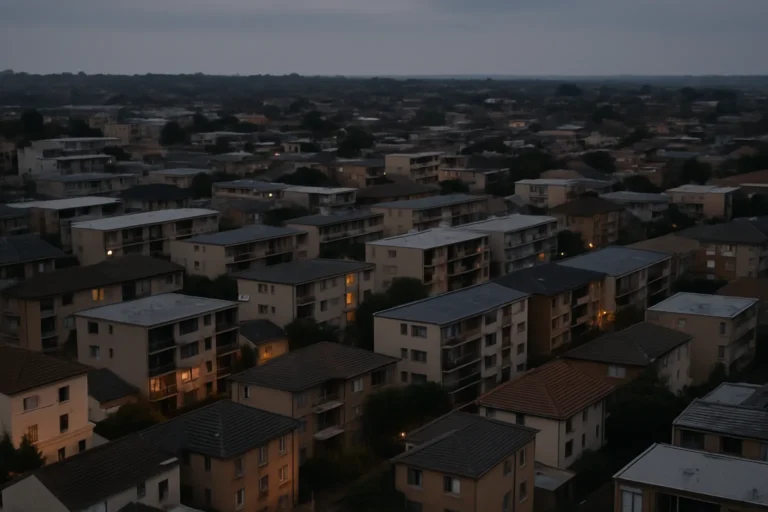
Sydney unit rents have pushed to a record high, but the trend that got them there is starting to hit a hard limit: what tenants can actually pay. Years of rising rents are leaving some households with no room left in the budget.
That sets up an uncomfortable tension for the market. Landlords have had a long run of rent growth. Tenants are now the constraint. Both can be true at once, and the way it resolves matters for anyone holding or buying a Sydney apartment.
Why a rent ceiling is different from a rent peak
A peak is a turning point you only see in hindsight. A ceiling is a mechanical limit. Rent has to come out of income, and incomes grow far more slowly than asking rents have in recent years.
When rents outpace wages for long enough, tenants adapt in ways that show up in the data over time:
- Sharing a home with more people, or moving back in with family
- Moving to cheaper suburbs or further out
- Downsizing to a smaller unit
- Cutting other spending to keep the lease
None of these show up as a sudden rent cut. They show up as softer demand at the top of the price range and slower growth in new asking rents.
Record rents, softer values: how the two connect
The story gets more interesting when rents are set against capital values. If rents are rising while values are flat or falling, gross yields lift. That looks like good news for investors on paper.
The catch is that a yield is only worth what the tenant can reliably pay. A higher yield built on a stretched tenant carries more risk of arrears, longer vacancies between leases and pushback on renewals. A rent that cannot be collected is not income.
It also matters what the investor’s costs are doing. Higher interest rates, insurance, strata levies and council rates all eat into the net result. A record rent does not guarantee a record return.
What this means for investor yields
For investors, the practical question is how much more rent the market will bear. Three things are worth watching:
- Time on market. If units take longer to lease at asking rent, the ceiling is close.
- Discounting. Landlords offering incentives or accepting lower rents to avoid vacancy is an early signal.
- Renewal behaviour. Tenants refusing increases and leaving is the clearest sign that pricing power is running out.
A rule of thumb: model your property at flat rent, not rising rent. If the numbers only work with another round of increases, you are relying on the thing that is now under strain.
The supply response is the real swing factor
Rent pressure is fundamentally a supply story. Vacancy rates have been tight, which gives landlords leverage. What eases that is more rental homes, whether through new construction, investors staying in the market or renters shifting to other housing.
The trouble is that new supply takes years, not months. Approvals and project viability have been under pressure from higher costs and rates, which slows the pipeline that would eventually relieve rents. Our recent look at housing approvals sliding as higher rates squeeze project margins covers why the build side is struggling.
Policy settings matter too. Tax changes aimed at investors can shift where supply comes from, and not always in the direction intended. See how new build investment tax rules may lift prices rather than supply.
Who carries the strain
The pressure is not evenly spread. Lower and middle income households in the unit market feel it most, because they have the least flexibility. Younger renters, single-income households and people on fixed incomes are the most exposed.
That has flow-on effects. Stressed tenants are more likely to fall behind, move more often and delay other decisions such as saving for a deposit. Renters trapped by high rents also cannot build the savings that would let them leave the rental market, which keeps demand for rentals elevated.
Two ways to read the same data
Commentary on record rents has split along predictable lines. One camp reads it as proof of a supply shortage that will keep pushing rents up. The other reads it as a market already near its limit, where affordability does the work that policy has not. The honest answer sits between them. Supply is tight, and tenants are also tapped out. Those two facts together point to slower rent growth rather than a collapse or a fresh surge.
The practical take
For investors, treat record rents as a reason for caution about further increases, not confidence in them. Stress-test your cashflow at flat rent and at a modest rise in costs.
For tenants, the leverage is limited but real at renewal. Comparing similar listings and negotiating before a lease ends is more effective than accepting an increase by default.
For everyone watching the market, the signal to track is not the headline rent figure but how long homes take to lease and how often landlords are discounting.
If you want the weekly signal on rates, rents and policy, subscribe to the newsletter.
General info, not financial advice.