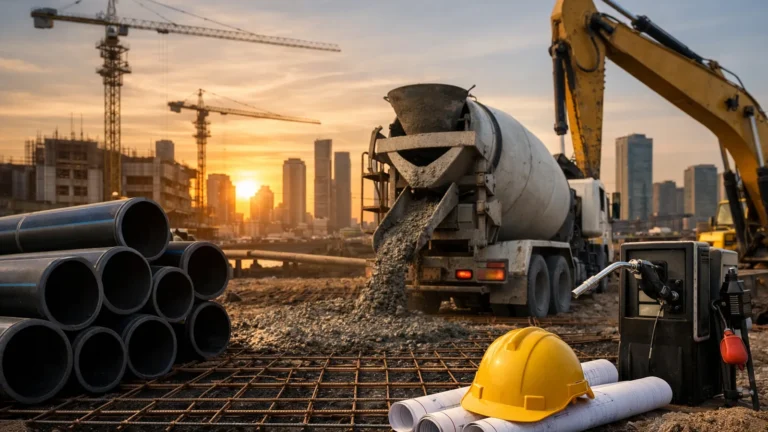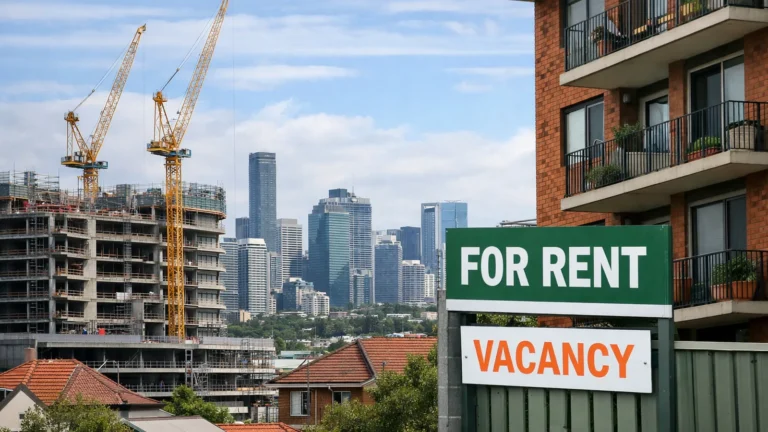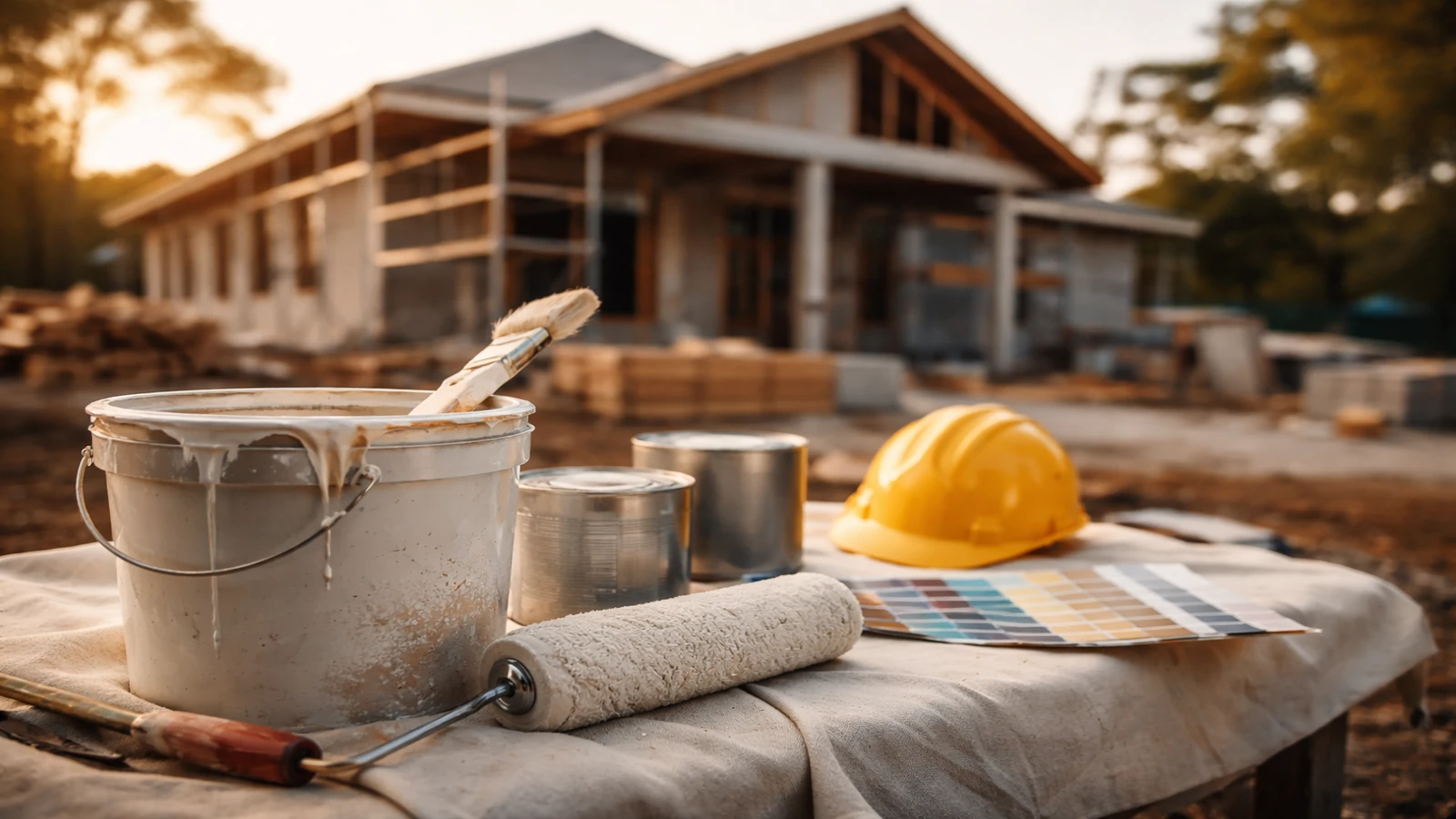
For a while, paint looked like the kind of cost item nobody would worry about until the invoice landed. Timber, steel, concrete and pipes grabbed the attention first. Now paint is joining the list, with Wattyl lifting prices in Australia as crude oil-linked input costs rise. That might sound minor next to a slab, frame or finance bill. It is not. Small cost shocks become bigger housing problems when they arrive on top of everything else.
That is the real signal here.
This is not a story about one product line getting a bit dearer. It is a story about cost pressure broadening again across the building chain at the exact moment policymakers still need more homes, not fewer. Australia’s CPI was running at 3.7 per cent in the year to February 2026, while housing remained one of the biggest contributors. At the same time, the government’s supply ambitions still depend on projects stacking up financially in a market where margins already look thin.
Why paint matters more than it sounds
Most people hear “paint prices up” and think cosmetic problem, not structural one.
That misses how construction feasibility works in the real world. Projects do not usually fail because of one spectacular cost blowout. They fail because enough line items move the wrong way at once. Freight goes up. Fuel goes up. a supplier adds a surcharge. A finishing cost rises. The contingency buffer shrinks. Then a builder, developer or homeowner decides the numbers no longer work.
Now, the part most people miss: finishing costs matter precisely because they arrive late in the process, when there is less room to redesign the job. By the time a home or renovation gets to painting stage, most of the cost base is already committed. That makes the increase harder to dodge than people assume.
So yes, a 5 to 10 per cent lift in paint prices will not carry the same dollar impact as a jump in concrete or structural steel. But it is another reminder that oil-linked inflation does not stay at the bowser. It moves through freight, packaging, manufacturing inputs and building products, then lands in housing. That transmission mechanism has already been flagged across APReview’s recent coverage of oil, inflation and construction costs.
Paint is not the main problem. It is evidence that the cost problem is spreading.
What changed, and what did not
What changed is the breadth of the pressure.
A few weeks ago, much of the focus sat on pipes, freight, fuel and broader building inputs as conflict-driven oil volatility worked its way through supply chains. Now the pressure is reaching another everyday category used by builders and renovators. That matters because it points to persistence, not just a one-off spike in a niche material.
What has not changed is the underlying fragility of the supply side.
Australia still needs a lot more housing than the current system is comfortably delivering. February approvals were strong on paper, with total dwellings approved up 29.7 per cent to 19,022, but approvals are not completions, and feasibility remains the harder test. Apartment projects in particular remain exposed to financing pressure, regulation, labour constraints and cost volatility.
That is the catch. A rebound in approvals can look encouraging in a headline. It does not guarantee that enough projects will proceed smoothly, on time and on budget.
The pain point for renovators is simpler
Renovators do not need a national housing target to feel this. They only need a quote.
For households repainting, refreshing an investment property or finishing a recent purchase, higher paint costs are one more bill landing after rates, insurance, trades and everyday living costs have already climbed. Even if the absolute increase feels manageable, it adds to a broader affordability squeeze that has been showing up across petrol, food and household expenses.
For mum-and-dad investors, this matters more than it first appears. A renovation budget is often built with less slack than people admit. One price rise on its own is tolerable. Several at once can delay works, reduce the upgrade scope, or push owners into short-term fixes instead of durable improvements.
I have seen this play out when a property owner budgets for the obvious costs and underestimates the finishing layer. The project still gets done, but not in the way originally planned. The paint upgrade becomes a cheaper finish. The minor repairs wait. The property presentation slips. That may sound small, but presentation often affects leasing speed, tenant quality and resale confidence.
Why builders are unlikely to wear this for long
In a soft margin environment, builders cannot absorb every new cost hit forever.
That is especially true after years of fixed-price contract stress and insolvency pain across the industry. When fresh cost increases arrive, they tend to show up in one of three places: higher client prices, reduced builder margins, or delayed projects. None of those outcomes helps housing delivery. Broader industry commentary and recent reporting suggest the sector is already feeling a renewed cost pulse tied to energy, freight and materials.
This is where second-order effects start to matter.
If more input categories move higher together, developers become more selective. Builders quote more defensively. Renovators trim scope. Investors hold off on cosmetic improvements. That does not mean every project stops. It means more marginal projects stop stacking up.
And in housing, the marginal project is often the one that would have added supply.
What could derail this view
There are still a few reasons not to overstate it.
If oil prices ease back quickly, some of this pressure could fade before it becomes embedded. If suppliers compete aggressively, they may limit how much of the cost rise gets passed through. And if domestic demand softens harder than expected, some builders may accept tighter margins just to keep work moving. Those are real possibilities.
But the base case looks less comfortable than it did a few months ago.
The issue is not that paint alone changes the market. The issue is that each new cost increase makes the overall supply equation a bit worse. Australia was already trying to build more homes in a system facing labour shortages, finance constraints and approval bottlenecks. Higher finishing costs do not create that problem, but they do add friction to it.
What this means for you
If you are a buyer, investor or renovator, do not dismiss this as a paint-store story.
Treat it as another sign that the replacement cost of housing is not settling cleanly. That matters for three reasons. First, renovation budgets deserve a bigger contingency than they did when cost lines were calmer. Second, investors should pressure-test cashflow assumptions before taking on cosmetic works or value-add plans. Third, anyone watching the housing supply story should focus less on political targets and more on whether projects still make economic sense on the ground.
For related reading, Australian Property Review has already covered how oil-linked cost pressure is flowing into housing in
- Why a Middle East oil shock may not crash Australia’s housing market yet,
- Mideast war lifts Australian building costs and housing risk, and
- Oil Shock and Higher Rates: What Property Investors Need to Know. For the broader supply backdrop, see Labor housing target shortfall grows.
Bottom line
Paint prices rising will not break the housing market on their own.
But they do tell you something important. The cost pressure builders and renovators are dealing with is getting broader, not narrower. And when enough “small” increases arrive together, the result is not a small story. It is fewer easy projects, tighter margins, and another drag on supply when Australia can least afford it.