Australia’s housing shortage was already running into the same old wall: projects that look viable in a headline do not always work in a spreadsheet.
Now that wall is getting taller.
Builders and developers are warning that another round of fuel, freight and material cost pressure is pushing already-thin projects closer to the edge. The immediate trigger is the latest Middle East conflict and the oil-linked price shock flowing through supply chains. But the deeper issue is local: Australia’s housing pipeline was fragile before this. Higher input costs just expose how little margin for error was left.
That is why parts of the industry are again calling for measures that feel familiar from the pandemic era, including longer site hours and delayed government charges. The argument is simple. If governments say they want more homes, they cannot keep pretending delivery happens in a vacuum while costs rise, labour stays tight and approvals remain slow.
The pressure is no longer theoretical
For a while, oil shocks can sound like a markets story. Then they show up in invoices.
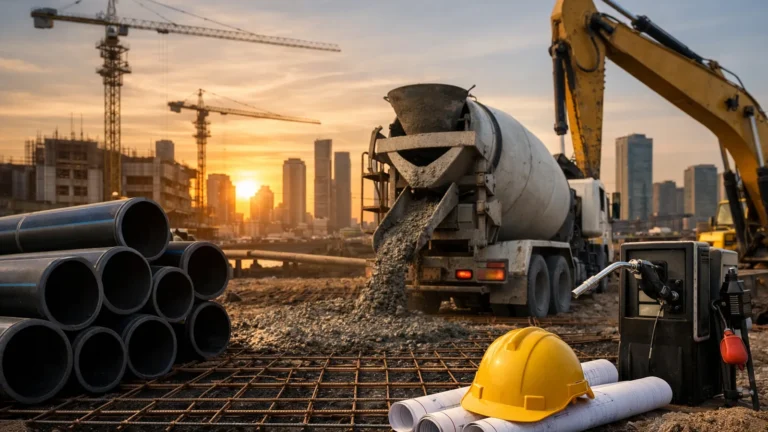
That is what matters here. Higher energy costs do not stop at the bowser. They move into transport, manufacturing, packaging, freight and a long list of building inputs. Concrete, steel, PVC products, site works, deliveries and heavy machinery all become more expensive to run or supply. Even when no single line item looks fatal, enough of them moving at once can turn a marginal development into a delayed one, or kill it completely.
This is the part most housing debates miss. Supply is not just a planning problem. It is not just a rates problem either. It is also a feasibility problem.
And feasibility is where projects quietly die.
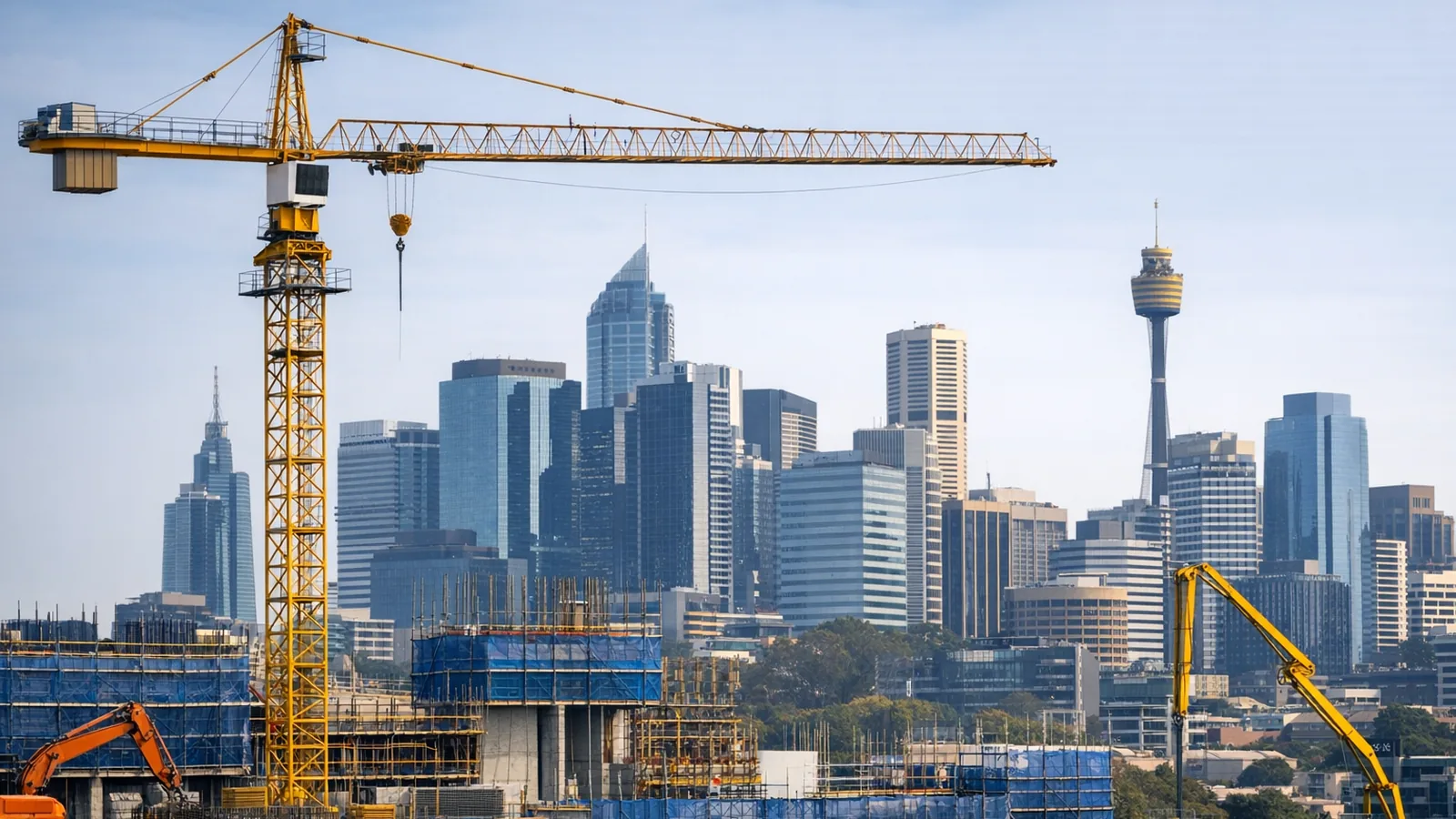
Apartment development is especially exposed because it is capital-intensive, timing-sensitive and far less forgiving when costs drift higher mid-stream. Detached housing matters, but it was never going to do the heavy lifting alone if Australia was serious about its 1.2 million-home ambition. That target already looked difficult. Rising construction costs make it harder again.
Why the industry is asking for relief again
The requests being floated are not especially glamorous. They are operational.
Longer construction hours. Deferred government contributions. More flexibility around when charges are paid. In plain English, developers are asking for ways to keep projects moving and cashflow pressure manageable while costs are rising underneath them.
That does not mean every request should be waved through. Extended working hours can trigger real community objections. Deferring charges can shift risk into public balance sheets or delay revenue councils and governments rely on. There is no free lunch here.
But there is a genuine trade-off. If policy settings keep loading costs onto projects at the same time as energy-linked inflation returns, fewer homes get built. The burden does not disappear. It just reappears later as tighter supply, higher prices and deeper political frustration.
I’ve seen this play out in different forms before. Policymakers often focus on the visible announcement, while the market reacts to the hidden stack of smaller frictions underneath. It is rarely one giant blow that stalls supply. It is ten smaller ones landing together.
The catch
Housing targets sound ambitious on paper, but housing is delivered one feasible project at a time. If the marginal project stops working, the target starts slipping.
The second-order effect buyers should watch
Most readers will not care about a builder’s margin for its own sake. Fair enough.
What they should care about is what happens next.
If development costs keep rising, one of three things usually follows. Projects get repriced. Projects get delayed. Or projects do not proceed at all.
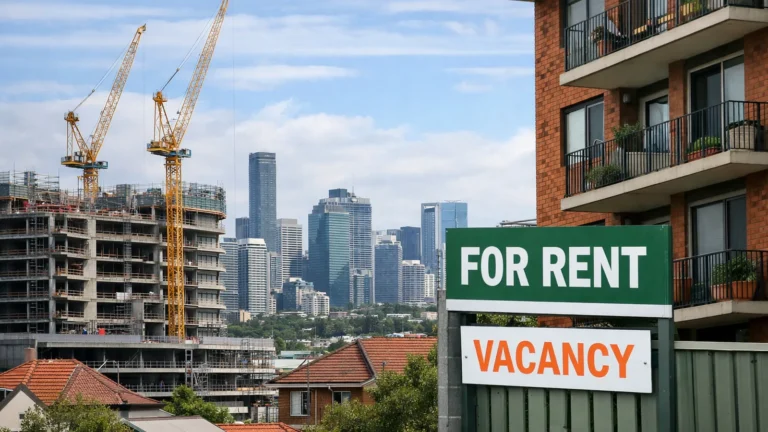
In the first case, buyers pay more. In the second, supply arrives later. In the third, the housing market stays tighter for longer.
That is why this story matters beyond the construction sector. A cost shock in development can worsen affordability even if headline demand cools. Australia can end up in the worst middle ground: households still under pressure from rates and living costs, while new housing remains too hard or too expensive to deliver. That broader squeeze is already visible across Australian Property Review’s recent reporting on oil shock pressure flowing into housing, Labor’s slipping housing target and the way higher oil prices feed into rates and property stress.
Now, the part most people miss: this does not only hit developers.
Builders locked into fixed-price contracts are often the ones wearing the first wave of pain when input costs rise unexpectedly. If costs climb but contracts do not automatically adjust, margins compress fast. In some cases, profit disappears. In worse cases, losses start. That risk matters because the industry has already shown how dangerous thin-margin fixed-price work can become when cost inflation turns sharply higher. The next round may not look identical to Covid, but the vulnerability is familiar.
Queensland has its own timing problem
The risk is not evenly spread.
Queensland faces another complication: timing. If private residential work collides with Olympics-related demand, long-delayed infrastructure starts and a tighter labour market, cost pressure could become even harder to absorb. That is not just about wages. It is also about capacity, sequencing and whether good subcontractors get stretched across too many jobs at once.
That is why some market participants are trying to bring projects forward before that bottleneck deepens. The message is not that every project is suddenly in trouble. It is that uncertainty is rising, and uncertainty itself can delay decision-making.
For a market that already needs more supply, that is a problem.
What changed, and what did not
What changed is the external shock.
Oil-linked cost pressure is back in the system, and builders are again talking about emergency-style relief because the economics of delivery are deteriorating.
What did not change is the underlying weakness.
Australia was already trying to solve a housing shortage with a construction sector facing tight margins, expensive finance, labour constraints and planning friction. This latest cost surge did not create those problems. It just made them harder to ignore.
That is also why you should be careful with neat political narratives. It is easy to say governments should simply build more homes, or that the market should just absorb costs and move on. Real projects do not work like slogans. They work when revenue, cost, timing and risk line up well enough for someone to actually proceed.
Right now, that equation is getting uglier.
Read more
For related APReview coverage, see:
-
Mideast war lifts Australian building costs and housing risk
-
Paint prices are rising too, and builders won’t absorb it forever
Bottom line
The new shock is not just that building costs are rising again.
It is that they are rising in a market that was already struggling to deliver enough homes.
That makes the industry’s call for relief easier to understand, even if not every proposed concession should be accepted without scrutiny. The real test for governments is whether they are serious about supply when the trade-offs get politically awkward.