Australia’s population is ageing faster than its housing stock is adapting. Fertility rates below replacement and rising life expectancy mean the median age is climbing, the proportion of retirees is expanding, and the household formation patterns that shaped suburban planning for fifty years are breaking down. Yet zoning rules, dwelling-type approvals and most buy-and-hold investment models still assume demand looks like it did in the 1990s.
The mismatch matters because demographic momentum is hard to reverse. Births today set household formation twenty-five years out. Longevity gains locked in now mean more people living into their eighties and nineties by mid-century. The structural shifts are visible in ABS projections, but translation into housing policy and capital allocation remains patchy.
The age profile is inverting
Australia’s total fertility rate has been below the replacement level of 2.1 births per woman since the mid-2000s and sits closer to 1.6 now. At the same time, life expectancy at birth is approaching 85 years. The result is an age pyramid that’s flipping: fewer children and working-age adults relative to retirees.
By 2050, people aged 65 and over are projected to make up around 22 per cent of the population, up from 17 per cent now. The 85-plus cohort, the group most likely to need accessible, low-maintenance housing or residential care, will more than double in absolute terms.
Migration can slow the ageing process but not stop it. Net overseas arrivals tend to skew younger, but even sustained high intake only delays the median-age rise by a few years. The structural driver is domestic birth and death rates, not arrivals.
What that means for housing mix and location
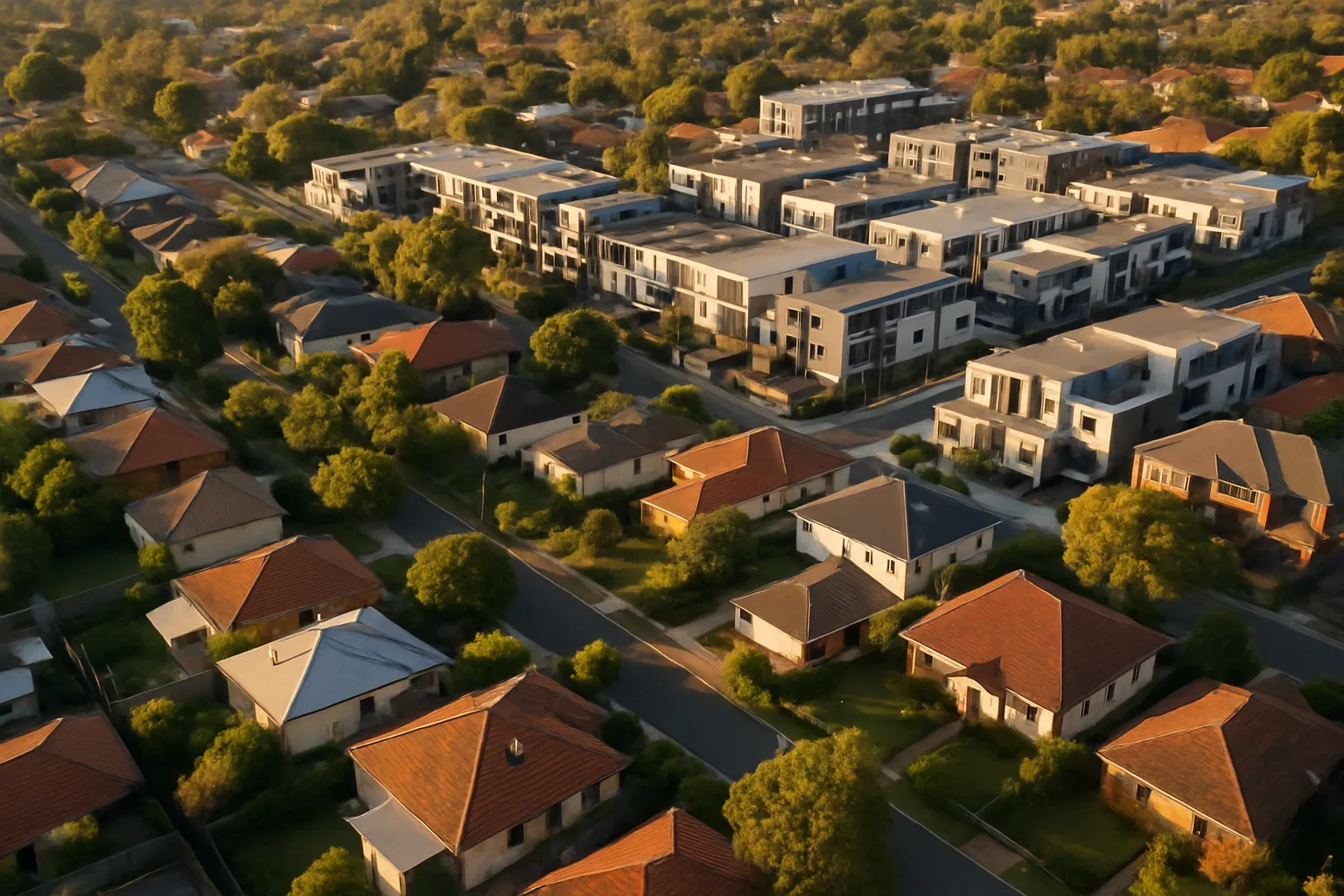
Older households have different space and location preferences than young families. The archetypal three- or four-bedroom detached house on a quarter-acre block in outer suburbs fits a household with school-age children. It’s less suited to a retired couple or single person prioritising walkability, proximity to health services, and minimal upkeep.
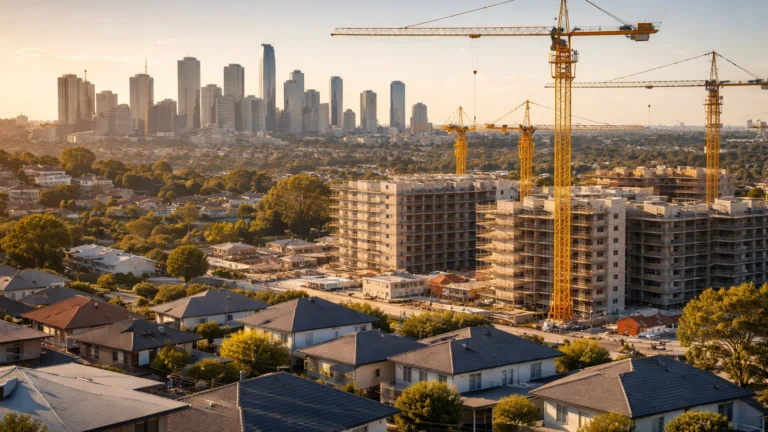
Demand is already shifting toward apartments and townhouses closer to established centres. CoreLogic data shows stronger price resilience in inner and middle-ring markets with public transport and amenity, while greenfield estates in outer growth corridors have seen faster inventory build and softer price growth over the past two years.
Retirement migration is another pressure point. Coastal and regional centres with healthcare infrastructure and lifestyle appeal, think the Central Coast, Sunshine Coast hinterland, parts of Tasmania, are absorbing retirees leaving capital cities. That trend accelerates when asset-rich, income-light households sell down larger homes and relocate, but local planning often lags the inflow.
The catch
Most Australian cities still zone the majority of residential land for detached housing. The Productivity Commission’s recommendation to allow three-storey development across all residential zones aims to close that gap, but implementation is slow and politically contested. Until zoning catches up, the supply of the dwelling types older households want will tighten faster than headline approval numbers suggest.
Investment strategies built for a younger Australia
Property investors chasing capital growth have historically favoured family homes in growth corridors, betting on population increase and infrastructure rollout. That model worked when household formation was strong and the buyer pool skewed younger.
An ageing population changes the calculus. Apartments and townhouses in established areas with transport, medical services and retail become structurally more valuable. Outer-ring family homes may still see price growth, but the demand base narrows as the share of households with children declines.
Yield dynamics shift too. Retirees typically don’t rent, they own outright or draw down equity. That shrinks the long-term renter cohort in some segments while creating clusters of demand in others, particularly among downsizers who sell the family home but aren’t ready for aged care.
Investors holding large family homes in car-dependent estates face a potential mismatch: strong supply of that dwelling type, weaker structural demand from the cohort that traditionally bought it. The trade-off is location versus land size. Smaller, better-located holdings may outperform larger, distant ones over the next twenty years.
Policy stuck between cohorts
Political strategy is adjusting. Policies that favour one generation over another, negative gearing reform, inheritance tax, pension asset tests, become harder to sell when the electorate skews older and voter turnout among retirees is higher than among renters in their twenties.
The result is policy gridlock. Measures that would increase housing supply or improve affordability for younger buyers often face resistance from older homeowners concerned about local character, traffic or property values. Councils approve infill slowly. State governments announce upzoning packages but carve out exemptions for politically sensitive electorates.
The demographic winner in this standoff is the asset-holding generation. The loser is the adjustment speed of the housing stock. By the time zoning and dwelling mix catch up to demand, the mismatch will have persisted for another decade.
Scenarios that could shift the trajectory
Base case: ageing continues as projected, migration stays near current levels, policy change is incremental. Dwelling-type mismatch persists. Inner and middle-ring markets with the right stock tighten further. Outer estates see weaker price growth and longer sell times.
Upside for supply: state governments enforce blanket upzoning, councils fast-track approvals for apartments and townhouses near transport. Dwelling mix adjusts faster, relieving pressure in established areas and improving affordability for downsizers and younger buyers.
Downside: migration intake falls sharply due to political or economic pressure, while fertility stays low. Population growth slows, but the age profile still shifts. Demand weakens overall, but the mismatch between stock and preferences remains. Some outer markets face prolonged softness.
The scenario that breaks the pattern is higher fertility or a major lift in family formation among younger cohorts, possible if housing affordability improves and wage growth outpaces interest costs, but not the trend right now.
What happens to prices and capital allocation
Property values don’t collapse in an ageing society, Japan’s experience shows prices can stabilise or decline gradually rather than crash, but the distribution of returns changes. Locations and dwelling types aligned with older households hold value. Those designed for a younger, family-heavy population face headwinds.
Institutional capital is already repositioning. Build-to-rent developments targeting downsizers and retirees, medium-density projects in inner suburbs, and healthcare-adjacent residential are attracting attention. Family-home subdivisions in outer growth corridors are harder to finance and sell.
For individual investors, the implication is portfolio review. Holdings that assume strong family-household demand beyond 2030 need a realistic exit or hold strategy. Those positioned for ageing demographics, walkable, low-maintenance, near services, are structurally better placed.
The practical take
If you’re holding property as a long-term investment, check the demand assumptions baked into your thesis. A four-bedroom house in an outer suburb might still see price growth, but the buyer pool is shrinking structurally. Smaller, better-located holdings in established areas with transport and amenity are likelier to hold or grow their relative value.
If you’re planning to downsize or relocate in retirement, consider moving earlier rather than later. Coastal and regional hotspots are already absorbing retirees, and competition for the limited stock of accessible, low-maintenance homes in those markets is increasing.
For policymakers and planners, if you’re reading this, the lag between demographic projection and zoning response is the bottleneck. Every year of delay in allowing higher-density, age-friendly housing in established areas extends the mismatch and locks in affordability pressure.
Demographics move slowly, but they move. The Australia of 2050 is already taking shape in birth and death rates today. Housing stock, investment strategies and political settings are adjusting, but not fast enough. The gap is where the risk, and the opportunity, sits.
Upzoning every city to three storeys: what the Productivity Commission is asking covers the zoning reform that could close part of this gap. Sydney apartment buyers want space and build quality, but stock’s shrinking shows how dwelling-type preferences are already shifting.
Subscribe to the newsletter for weekly analysis of what’s changing in Australian property and what it means for your next decision.
General info, not financial advice.