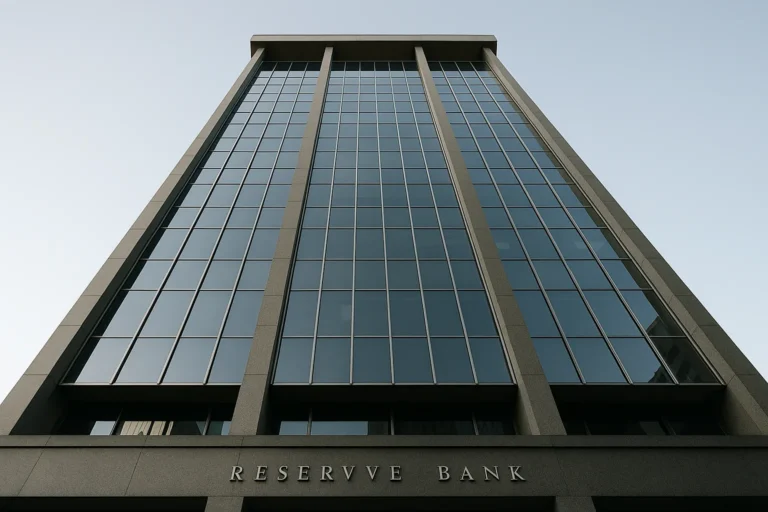
July’s Consumer Price Index landed at 3.5% year-on-year, half a percentage point above the consensus forecast and enough to swing rate-hike probabilities for November. The headline drop from June’s 3.8% was largely a base-effect quirk, last year’s energy price spike from expiring subsidies rolled out of the annual calculation, so the underlying picture is stickier than the topline suggests.
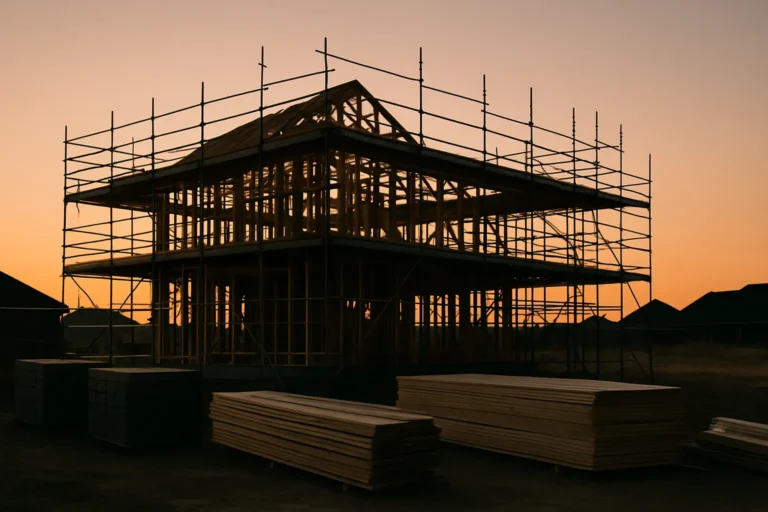
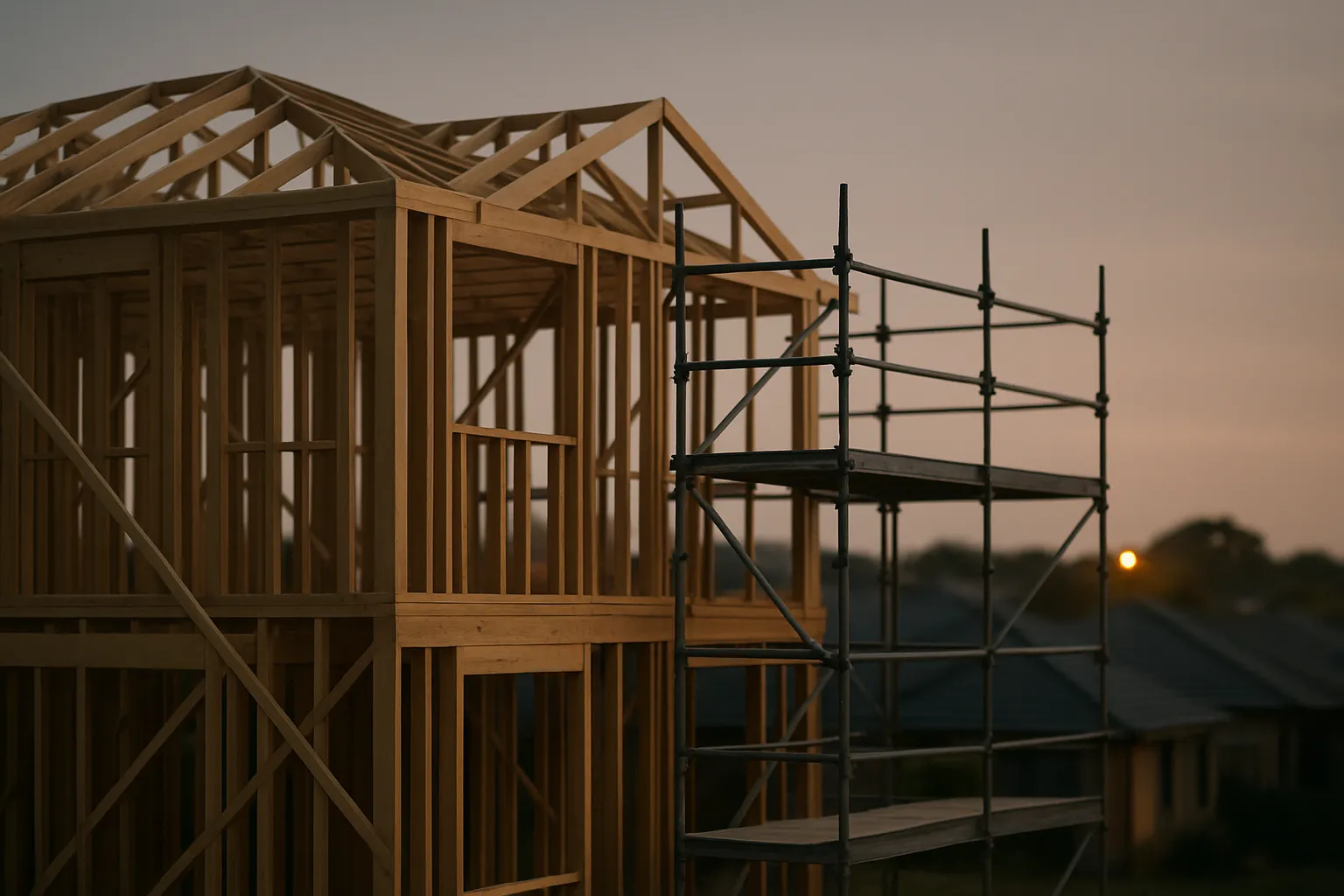
Housing inflation was the biggest single contributor, with new dwelling construction costs up 5.7% over the year as builders passed through higher materials and labour bills. Rents added 3.6%, unchanged from June’s pace. Both categories remain well above the RBA’s 2-3% target band and show little sign of cooling.
What’s pushing construction costs higher
New dwelling prices are now more than 50% above their late-2019 level. Cost growth had eased after the pandemic construction boom but accelerated again through 2026 as global supply chain disruptions fed through. Monthly trimmed mean inflation, which strips out volatile items, rose 0.5% in July, the highest monthly increase since the series began, signalling broad-based pressure rather than isolated spikes.
The trimmed mean sits at 3.6% annually, unchanged from June but tracking above RBA expectations for the third quarter. One major bank revised its forecast on the back of the data, now calling a cash rate increase to 4.6% in November.
The rent dynamic and what’s keeping it tight
The catch
- Rents up 3.6% year-on-year, same as June and May
- Vacancy rates improved slightly from 2024 lows but remain below long-run average
- Investor purchases have slowed post-budget but remain above pre-pandemic levels
- CPI rent measure lags real-time advertised rents by several months
Rental inflation remains elevated despite a slight easing in vacancy rates. The overhang from years of undersupply, combined with migration flows and a smaller investor cohort post negative gearing changes, keeps upward pressure on rents in low-vacancy markets. The effect of the budget changes on rental supply is still uncertain, estimates suggest the impact won’t be large nationally, but localised pressure in already-tight areas is a risk.
Other pressure points in the basket
Food and non-alcoholic beverages added 3.2%, driven by takeaway spending. Transport lifted 1.6%, with automotive fuel jumping 7.5% in July as world oil prices climbed and federal fuel excise relief unwound. Recreation and culture rose 2.6%, capturing domestic travel over school holidays.
The monthly data shows inflation isn’t concentrated in one or two categories, it’s broad enough to keep the RBA’s hand near the lever.
What the RBA is watching next
The central bank’s August minutes, released the day before this data, confirmed a rate hike remains on the table if upside risks materialise. RBA forecasts don’t see inflation returning to the top of the 2-3% band until at least mid-2027. Housing inflation, both construction costs and rents, sits at the centre of that timeline, given its size in the CPI basket and its persistence relative to more volatile items like fuel or clothing.
Markets repriced immediately: odds of a November hike climbed, and another major bank flagged its hold call is under review.
Scenarios for the next four months
Base case: one more hike in November to 4.6%, then an extended hold into 2027 as housing inflation gradually cools. Upside risk: construction cost pressures persist longer than expected, rent growth plateaus rather than falls, and the RBA moves twice more by mid-2027. Downside: global growth wobbles, commodity prices ease, and the RBA holds through to cuts in late 2027.
The risk skew tilts toward higher-for-longer rather than near-term relief.
What this means for borrowers and buyers
If you’re holding variable debt, stress-test another 25 basis points by December and model repayments at 4.6% or higher through most of 2027. If you’re waiting for cuts to improve serviceability, the timeline just pushed out, don’t anchor your purchase decision to rate relief arriving in the first half of next year.
For investors, rental yield looks stable in tight markets, but financing costs are rising faster than rents in most cities. Run the numbers on cashflow at 4.6% before committing new capital. For owner-occupiers stretched on serviceability, Australia’s rate pain is back and worse may be ahead, November’s decision will clarify whether this cycle has one more move left or not.
Start here: update your budget assumptions to include one more hike, and if you’re refinancing or fixing in the next 90 days, lock in your rate before November’s meeting.
Subscribe to the newsletter for weekly updates on rates, inflation and what it means for your next property decision.
General info, not financial advice.