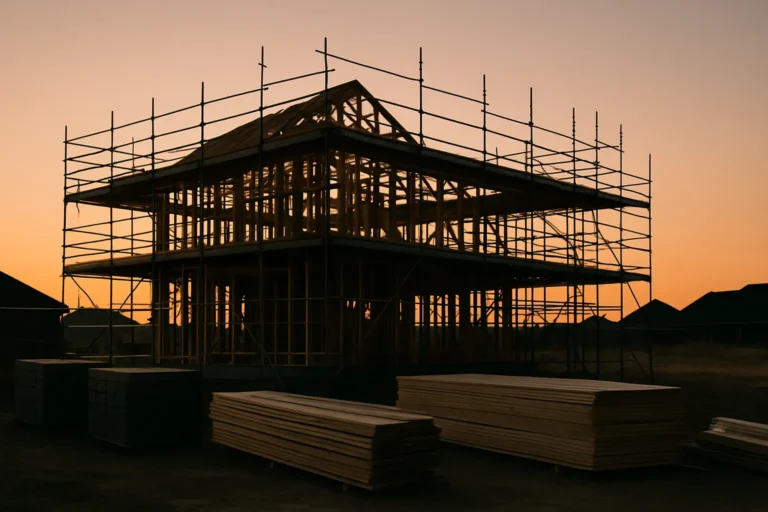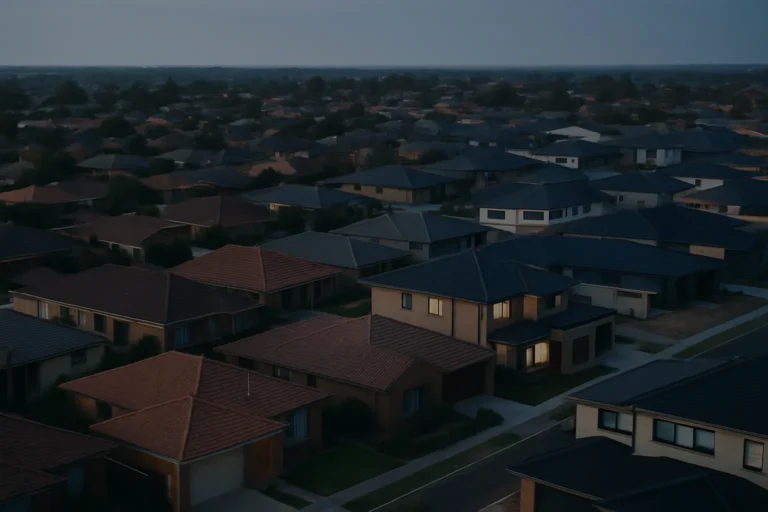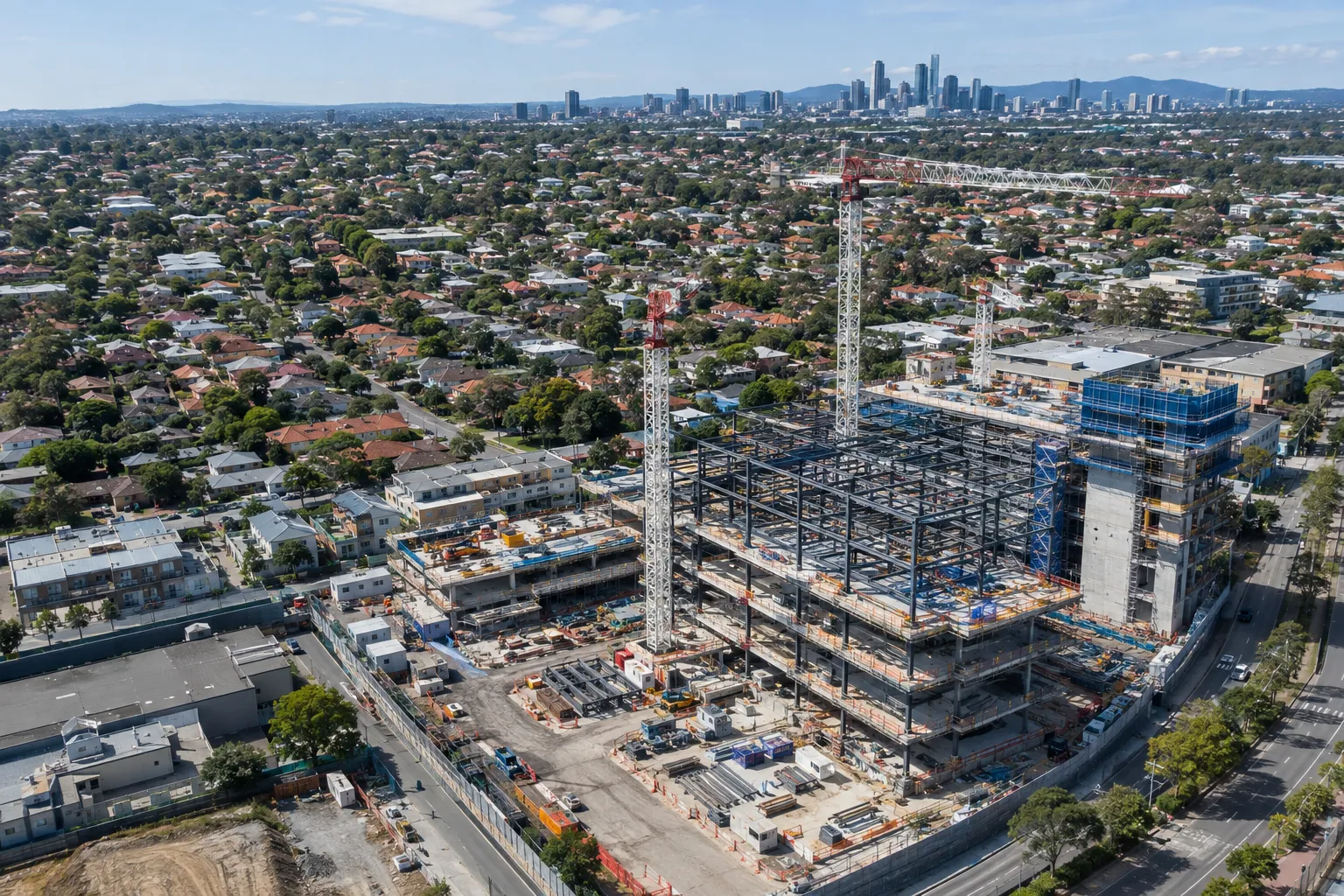
Australia’s construction sector is running two contradictory cycles at once. Commercial, infrastructure and industrial building activity sits at levels not seen since the 1960s. Residential construction remains well below replacement levels, with social housing builds running 87% short of what’s needed.
Both draw from the same skilled labour pool. Both bid for the same materials. The gap between them creates a structural inflation problem the RBA cannot ignore when setting rates.
The capacity constraint no one priced in
Construction inflation pressure doesn’t care which type of building you’re funding. Bricklayers, electricians, formwork crews, they move between projects based on who pays more and which site offers steady work. When non-residential activity surges, wages follow.
Material costs respond the same way. Concrete, steel, timber, suppliers allocate stock to whoever orders first and pays on time. A 60-year peak in commercial and infrastructure work means housing developers compete for materials that are already spoken for.
This isn’t a temporary bottleneck. Infrastructure pipelines stretch years ahead. Data centre construction, logistics hubs, transport projects, all locked in with government backing or private capital that doesn’t wait for rate cuts.
Why housing supply can’t catch up under these conditions
Residential developers face the inverse problem. Demand for housing remains structurally undersupplied, social housing alone sits 190,000 units short, and private rental vacancy rates in major cities run below 1.5%.
But higher construction costs compress margins. Land prices haven’t dropped enough to offset rising build costs. Serviceability rules mean buyers can’t stretch further, borrowing capacity has already been cut by $58,000 in some states.
Developers who need pre-sales to secure finance can’t hit the thresholds. Projects stall. The supply gap widens even as non-residential construction accelerates.
The RBA’s impossible trade-off
Rate cuts would normally ease housing supply constraints by improving developer feasibility and buyer borrowing power. But construction inflation pressure runs the other direction.
Cutting rates while the sector operates at peak capacity risks feeding wage growth in construction trades, already running ahead of the broader economy. Material price increases follow. The inflationary impulse moves from construction into the CPI basket through rents and new dwelling costs.
The RBA watches this closely. Cutting too early re-ignites inflation through the construction channel. Waiting too long keeps housing supply frozen and rental pressure elevated. Neither outcome solves the structural problem.
The numbers that matter
- Non-residential construction activity at highest level since 1960s
- Social housing builds running 87% below need, 190,000-unit shortfall
- Rental vacancy rates under 1.5% in major capitals
- Borrowing capacity down $58,000 in hardest-hit states
- Construction wage growth outpacing broader economy
What could break the deadlock
Three scenarios shift the balance. First: infrastructure pipelines slow as major projects complete and government spending moderates. That frees up labour and materials for residential work without requiring rate cuts.
Second: productivity gains in construction methods, prefab, modular, streamlined approvals, reduce per-unit costs enough to restore developer margins despite higher input prices. Evidence for this remains thin.
Third: policy changes target the supply side directly, zoning reforms, faster DAs, public land releases, so housing supply can increase without needing cheaper money. This takes years to flow through.
None of these happen quickly. The structural split between residential undersupply and non-residential peak activity persists through 2026 at minimum.
Who carries the cost
Renters face ongoing pressure as new supply can’t keep pace with population growth. Rental increases continue even if dwelling prices stabilise or fall, recent forecasts show price growth of 7.3%, which compounds rental affordability stress.
First-home buyers sit in the marginal zone. Rate cuts would help serviceability, but construction inflation pressure means new builds don’t get cheaper. Established stock becomes the only accessible entry point, pushing more buyers into the same constrained segment.
Developers with pre-sold stock locked in face margin compression they can’t pass through. Those without pre-sales can’t start. The middle tier of the development market, 80 to 200 units, not large enough for institutional capital, too big for boutique builders, sees the most stalled activity.
What to watch over the next quarter
Infrastructure spending announcements signal whether the non-residential pipeline extends or moderates. Major state budgets in May will clarify this.
Construction wage data from the ABS quarterly series shows whether tradesperson pay growth is accelerating or plateauing. If it plateaus, rate cut timing improves.
Pre-sale clearance rates for new apartment projects indicate whether buyer serviceability is loosening without rate cuts, an early sign fiscal policy settings are shifting the burden.
Start here: if you’re waiting for rate cuts to improve housing affordability, watch construction sector capacity, not just RBA commentary. The bottleneck sits in the real economy, not monetary policy settings. Subscribe to the newsletter for the monthly construction activity breakdown.
General info, not financial advice.