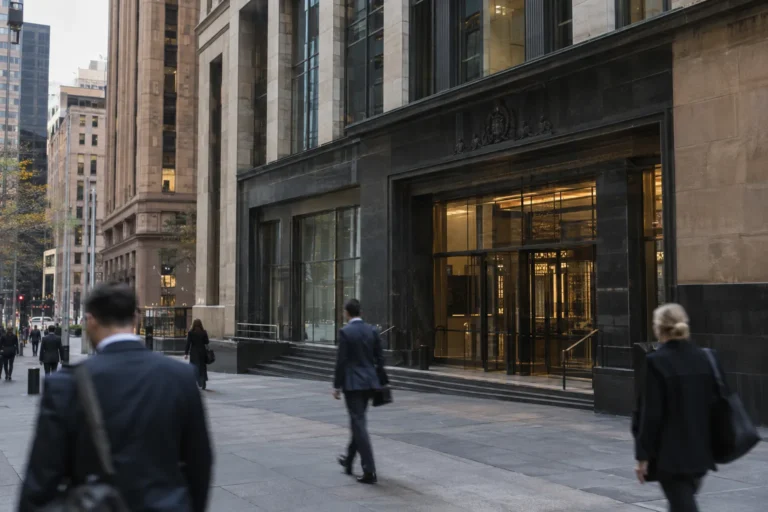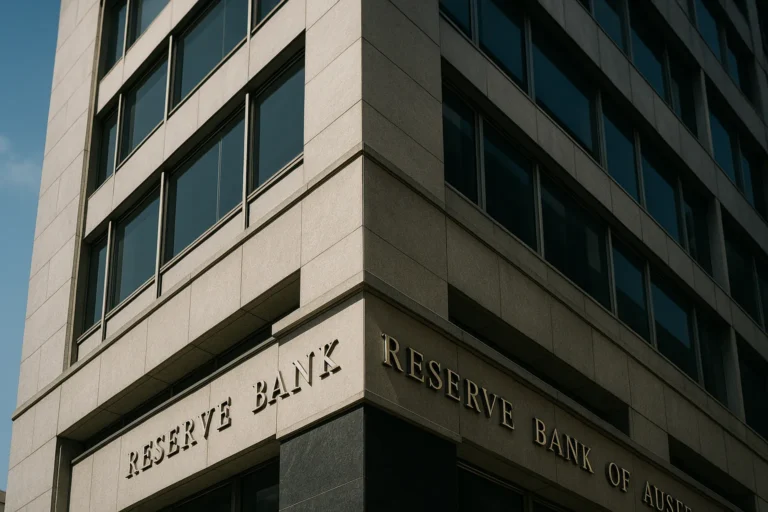
The Reserve Bank board walks into its final meeting of the year, on 7-8 December, without a settled view. Minutes from the latest meeting show members pulling in different directions, and the pattern so far this year is awkward for anyone with a mortgage: three of seven meetings ended in divided votes, and every one of those was followed by a rate increase.
That history matters more than the headline about a split board. A divided vote has not meant a pause this year. It has been closer to a warning.
What the board is actually arguing about
The disagreement is about timing and evidence, not about whether inflation is a problem. All members accept that it is. Market services inflation in particular ran well above forecast in the September quarter.
The hawkish side points to several risks:
- Elevated oil prices feeding through the economy
- Investment spending linked to artificial intelligence
- Households and businesses treating high rates as the new normal, which can blunt the effect of further tightening
The cautious side wants more evidence before moving again. Their argument is that policy works with long and variable lags, so earlier increases may not yet have fully shown up in spending and prices.
Both views are reasonable. That is why the vote is hard to call.
Five hikes in, and a 5.1% line to watch
The bank has delivered five increases since February, including 100 basis points of tightening this year. That is the heaviest run outside the pandemic recovery since the global financial crisis. One more increase would take the cash rate to 5.1%.
In plain English: a basis point is one hundredth of a percentage point, so 100 basis points is a full percentage point added to the cash rate in a single year. For a borrower, that flows through to variable repayments within weeks of each decision.
Key numbers
- 5 rate increases since February
- 100 basis points of tightening this year
- 3 of 7 meetings ended in split votes, each followed by a hike
- 5.1% cash rate if the board lifts again
- 11 December rate changes since 1990
Reading the December decision as scenarios
Nobody outside the boardroom knows the outcome, so it is more useful to think in scenarios than to guess.
Another increase. This fits the year’s pattern, where divided votes were followed by hikes. The cash rate would reach 5.1%. Borrowers on variable loans would see higher repayments, and the borrowing capacity of new applicants would shrink again.
A hold. The cautious members win the argument, citing the lags. This would give households a breather, but it would not signal cuts. The hawkish concerns about oil and market services inflation would still be on the table.
A hold with a hawkish tone. The bank pauses but signals that further tightening remains possible. For borrowers, this is close to the current uncertainty continuing into the new year.
The point is that two of these three outcomes still leave rates high. Planning around a quick reversal is the riskier assumption.
Why December decisions are unusual
The bank has changed rates in December just 11 times since 1990. That is a small number across more than three decades, which suggests the board normally avoids moving at this meeting. A move this time would stand out, and so would a clear message about what comes next.
The case that households can cope
The minutes lean on household resilience. They cite large offset balances and a lower credit-to-income ratio than after the financial crisis. These are genuine buffers.
Here is the catch. Averages hide the borrowers under the most pressure. Offset balances are not spread evenly, and a recent buyer with a small deposit and a large loan has far less cushion than the system-wide figures imply. Resilience in aggregate can sit alongside real stress at the margins. Our guide to the RBA, interest rates and repayments explains how each rise reaches the household budget, and we have looked at why a pause would not undo the damage already done.
What the governor said
Speaking in Sydney, the governor described a very uncertain backdrop. She also made a useful distinction: interest rates cannot cure price rises driven by oil, but they can reduce excess demand. That helps explain the split. If part of the inflation problem comes from supply-side shocks, the board has to decide how much demand to squeeze for a problem rates only partly fix.
Testing your own buffer
A divided board is a reason to stress-test, not to guess. Three things are worth checking this week:
- Repayments at 5.1%. Work out what your repayment would be if the cash rate rose to that level, and whether the household budget still holds.
- How much sits in offset or savings. This is your real cushion, and the minutes are right that it matters.
- Your fixed-rate expiry date. If a fixed term ends soon, the reset is a bigger event than the December meeting.
Borrowing capacity works the same way. Lenders assess new loans with a buffer above the actual rate, so each cash rate rise reduces what you can borrow even before your own repayments change. Anyone planning to apply for a loan in the next few months should expect lower capacity than the same application would have produced a year ago.
The decision lands on the 7-8 December meeting. Until then, the honest position is that the board does not know either.
A practical next step: run your current loan through a repayment calculator at a cash rate of 5.1% and note the monthly difference.
If you want the weekly signal, subscribe to the free newsletter.
General info, not financial advice.