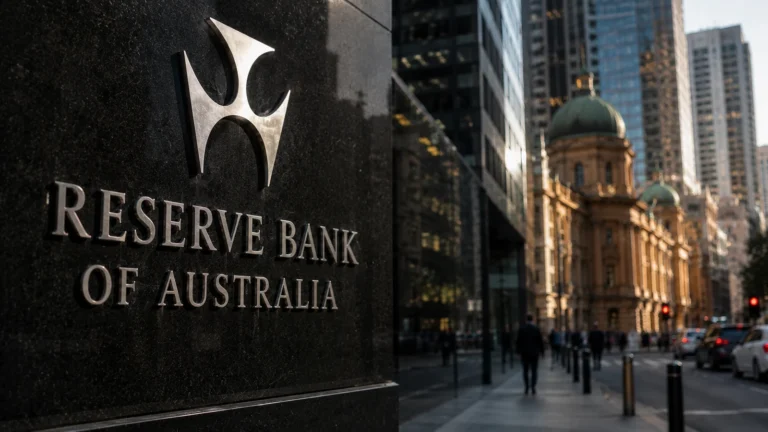
In October, Australia’s unemployment rate climbed from 4.7 per cent the previous month to 4.9 per cent. No reading has been higher since the pandemic restrictions of 2021, and it lands above the Reserve Bank’s own year-end projection, which was 4.7 per cent. A forecast miss is the easy story. The more useful one is what a weaker jobs market does to mortgage arrears.
Why the jobs number changes the downside case
The RBA has lifted the cash rate five times this year, with the latest move in November taking borrowing costs to a level not seen since 2008. Three board members dissented from that decision, pointing to downside risks. The jobs data gives their caution more weight.
Here is the catch. Higher rates squeeze a household’s budget, but most borrowers can absorb a squeeze while they still have a pay packet. Arrears tend to climb when income stops or shrinks. A rising unemployment rate is the cleaner trigger for missed repayments than the cash rate alone.
So the two pressures are not the same thing, and they do not move on the same clock.
Two questions that get blurred together
Commentary on this release has split along predictable lines. One camp argues the RBA has tightened too far and that further hikes now look unlikely. The other says the bank is unlikely to pivot to cuts quickly, with a pause at the December meeting the more probable outcome.
Both can be right, and neither answers the arrears question. The rate path decides how large repayments get. The labour market decides whether borrowers can keep making them. Unemployment can lift forced-sale risk well before it changes RBA policy, because policy reacts to data over months while a lost job hits a budget immediately.
In plain English: a pause in hikes helps borrowers on the margin. It does nothing for a household that has just lost income.
What the squeeze already looks like
The damage to values is already visible. Higher rates have helped pull national home prices down by almost 7 per cent, with Sydney singled out as especially weak. That matters for arrears in a second-order way. A borrower who loses work and needs to sell has less room to sell their way out of trouble when prices are falling and equity is thinner.
Household sentiment points the same direction. Separate consumer research found 61 per cent of Australians feel worse off than a year ago, with some cutting back on meals and utilities. When people are already trimming essentials, there is little buffer left before a repayment is missed.
- Cash-rate pressure: repayments are already higher after five hikes this year.
- Price pressure: falling values reduce the escape route for stressed sellers.
- Income pressure: a rising jobless rate is what turns strain into default.
For more on how repayments respond to rate moves, see our guide to the RBA, interest rates and repayments. Our look at mortgage default risk and the widening map of flagged households covers where stress is already concentrating.
Key numbers
- 4.9 per cent: October unemployment, up from 4.7 per cent.
- 4.7 per cent: the RBA’s year-end projection, now exceeded.
- Five: rate rises this year, the latest taking rates to a post-2008 high.
- Almost 7 per cent: the fall in national home prices so far.
- 61 per cent: Australians who say they feel worse off than a year ago.
Why a reversal may not be quick
A welfare-sector leader warned that unemployment is hard to reverse once it starts rising. The example given was the aftermath of the 2008 crisis, when the rate took more than ten years to return to 4 per cent. That is one comparison, not a forecast, and conditions today differ. But it frames the real risk: a labour market that weakens does not necessarily snap back the moment rates stop rising.
Recession warnings for next year are growing, though they remain warnings, not outcomes. A sensible reading is to treat this as a shift in probabilities. The base case may still be a pause and a slow grind. The downside case, where job losses spread and arrears rise from a low base, now carries more weight than it did a month ago.
What to watch from here
The next few releases will show whether October was a blip or a turn. Watch the unemployment rate for a second consecutive rise, the December RBA decision for any change in tone, and arrears data from lenders and ratings agencies for the first sign of strain turning into missed payments.
One practical check: if you hold a mortgage, work out how many months of repayments you could cover from savings or an offset if household income dropped. That buffer, not the headline cash rate, is the number that tells you how exposed you are.
If you want the weekly signal, subscribe to the free newsletter.
General info, not financial advice.