A growing group of economists is breaking ranks on the next RBA rate hike. Most forecasters still expect the central bank to lift the cash rate on Melbourne Cup day. The dissenters argue the economy is already slowing, and that borrowers are feeling it. The question for property readers is narrower than the headline debate: is the housing market already doing some of the Reserve Bank’s tightening for it?
The case for a hold
The hold argument rests on one idea. Rate rises work with a lag, and earlier increases may not have fully reached households yet. If spending is softening, a further hike risks pushing the slowdown further than the RBA intends.
That is the argument as it was framed publicly. The detail of each economist’s modelling is not something we can verify here, so treat it as a direction of travel, not a forecast.
Key numbers
- Most economists tip a hike on Melbourne Cup day, according to the public summary of the story
- Dissenters are a minority but a growing one
- Our own tracker has the market pricing a hike by November at a very high probability, as covered in our earlier piece
Where the housing channel shows up
Housing is the main route through which rate moves reach households. Three indicators matter most.
- Home values. If prices are falling, owners feel less wealthy and spend less. That works like extra tightening even without a rate move.
- Mortgage arrears. Rising arrears show repayment stress is spreading beyond the most leveraged borrowers.
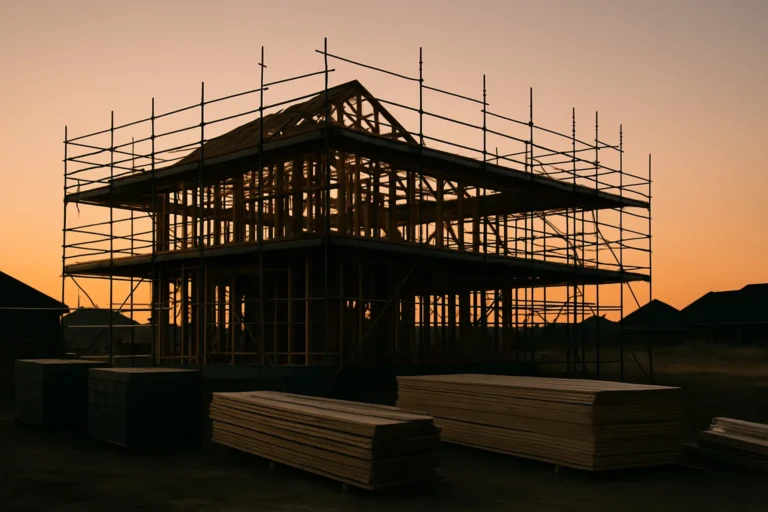
- New-home sales. Weak new-home sales signal buyers pulling back, and later feed into construction and supply.
None of these proves the dissenters right. But if all three weaken together, the case that the RBA needs to do more gets harder to make.
Why the hold case is not a clean win
Here’s the catch. A slowing economy and sticky inflation can exist at the same time. If inflation stays above target, the RBA may decide a soft housing market is not enough on its own, because falling values can be uneven across cities and do not hit every borrower.
There is also a supply side. Weak new-home sales can reduce future housing supply, which tends to hold up rents and prices further down the track. A pause today can add pressure tomorrow.
Who feels a hike most
The households most exposed are recent buyers with small deposits and variable-rate loans. Many are already paying well above what they budgeted when they borrowed. Owners with large equity buffers or fixed rates are better placed, at least until their fixed term ends.
Investors face a different squeeze. Higher repayments eat into cashflow, and a falling market limits the option of selling cleanly.
Scenarios around the decision
- Hike goes ahead. Variable-rate borrowers absorb another repayment lift. Arrears and softer values become the data to watch over the next few months.
- Hold. Borrowers get breathing room, but the RBA will want proof that inflation is cooling on its own.
- Hike, then data weakens fast. The dissenters look right in hindsight and pressure builds for a pause or reversal.
We are dealing in probabilities here, not certainties. Our guide to RBA rates and repayments shows how a quarter-point move flows into a typical mortgage.
Your next step
Before the decision, check what your repayment would be after a further increase, and whether your budget copes. If it is tight, subscribe to our newsletter for weekly updates and talk to your lender early rather than waiting for the first missed payment.
General info, not financial advice.