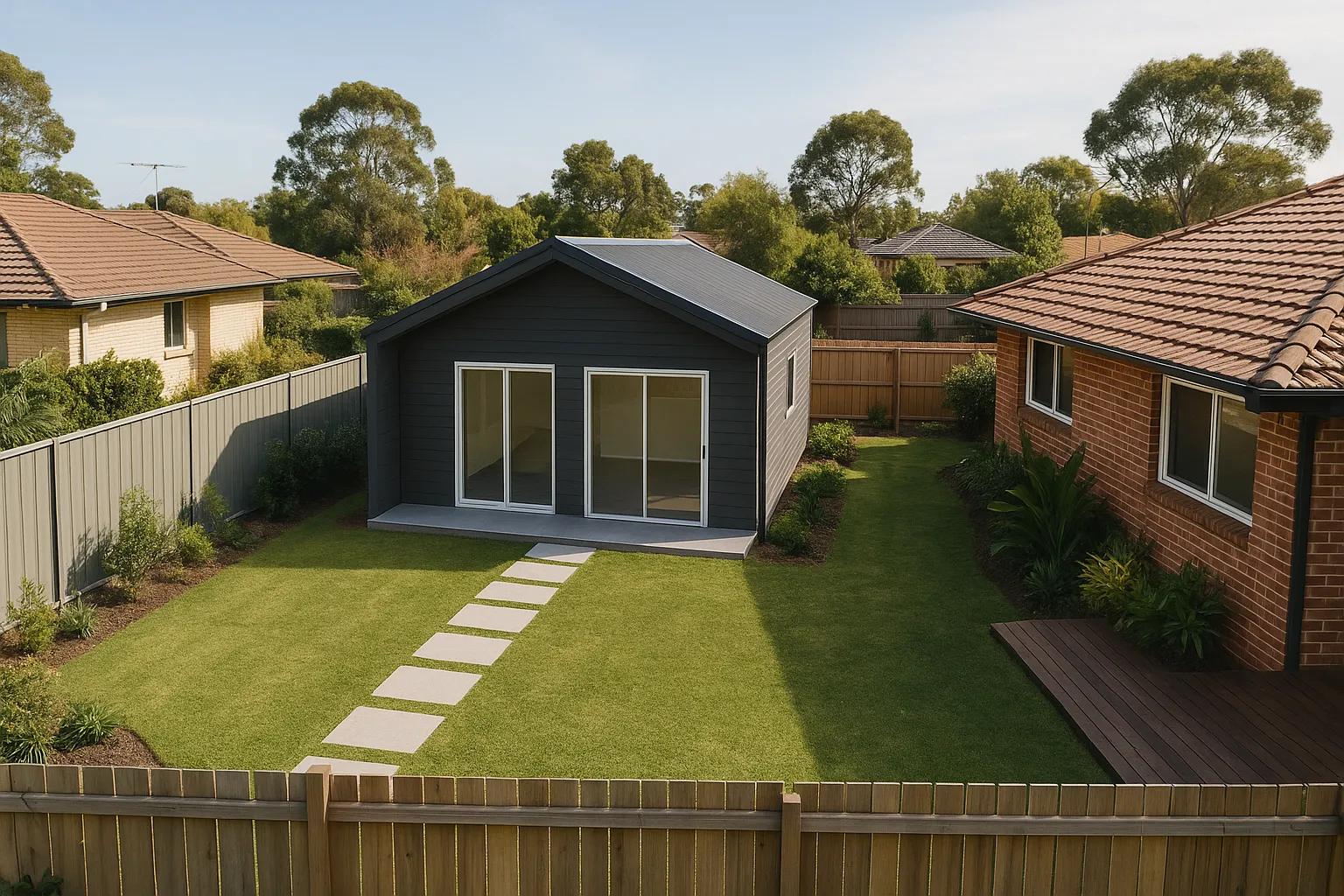
Secondary dwellings, granny flats, in-law suites, backyard studios, are being pushed as a quick density win without rezoning fights. State governments have loosened planning rules, councils are fast-tracking complying development pathways, and the pitch is simple: add a dwelling to your block, unlock rental income or multigenerational living, ease the housing shortage.
The reality is messier. Granny flat approval processes, build costs, rental returns and financing all vary by state, and the economics don’t work on every block. Here’s what changes depending on where you are, and what to check before you commit capital.
What each state allows without full DA
New South Wales runs the most permissive complying development code: up to 60 square metres, 10-day approval if the design meets standards, no neighbour consultation required in most council areas. Queensland allows up to 60 square metres as accepted development in some zones, but many councils still require code or impact assessment, timelines stretch to 6-12 weeks. Victoria introduced a fast-track pathway in 2023 for up to 60 square metres, but design standards are tighter (setbacks, overshadowing, materials), and compliance checks can take 4-8 weeks.
South Australia, Western Australia, Tasmania and the ACT each run different approval classes, some require neighbour notification even for complying builds, others cap floor area below 50 square metres or restrict placement on heritage overlays. The ACT’s rules are currently under review after supply pressure from the Commonwealth.
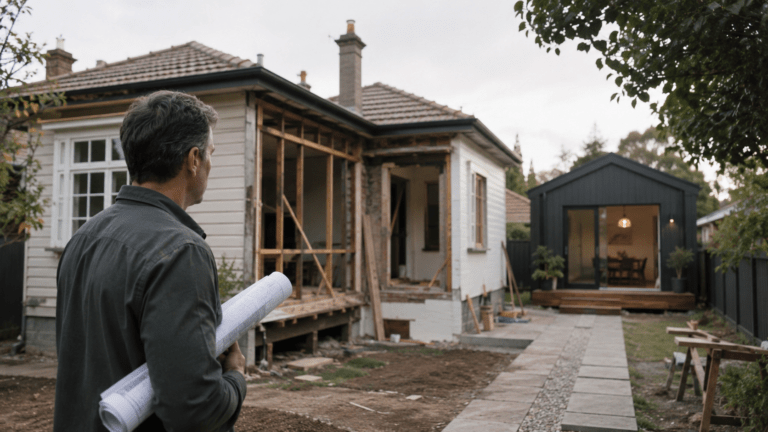
If your block sits in a flood overlay, bushfire zone, heritage precinct or has a covenant, complying pathways often don’t apply, you’re back to a full development application, 8-16 week timelines, and neighbour objection risk.
Construction costs and the breakeven question
Turnkey granny flat builders quote $150,000 to $250,000 for a basic 50-60 square metre kit build, excluding site prep, services connection (water, sewer, power), driveway access and council fees. Site prep alone can add $20,000 to $60,000 if the block has poor access, rock, or needs retaining. If you’re connecting to sewer more than 20 metres from the boundary, add another $15,000 to $30,000.
Custom architect-designed builds run $280,000 to $400,000+, and that’s before landscaping, fencing, or separate metering.
Rental yield depends on location. A 2-bedroom granny flat in an outer-ring Sydney suburb might rent for $450 to $550 per week, gross yield around 12-15% on the build cost alone, but 3-4% on total invested capital once you factor in land value and site works. Inner-ring Melbourne or Brisbane suburbs deliver $400 to $500 per week, tighter yield because land value is higher relative to rent.
If you’re borrowing to build, serviceability is the pinch point. Most lenders won’t include projected granny flat income in your borrowing capacity until the dwelling is complete and tenanted, so you need spare serviceability headroom or equity to fund construction upfront.
Who this works for and who it doesn’t
Owner-occupiers adding a granny flat for aging parents or adult children returning home don’t need the investment return to stack, they’re solving a housing need and potentially avoiding aged care or rental costs elsewhere. The payback is lifestyle and family logistics, not cashflow.
Investors chasing yield need the rent to cover the debt service, strata (if applicable), maintenance buffer and vacancy risk. On a $200,000 build financed at 6.5%, annual interest alone is $13,000. At $500 per week rent ($26,000 per year gross), you’re clearing $13,000 before rates, insurance, repairs, vacancy. That’s marginal, and only works if the tenant stays and the block doesn’t need unexpected drainage or access work.
The better economics are on blocks you already own outright, or where the granny flat solves two problems at once: rental income now, downsizing option later when you move the main house tenants out and live in the smaller dwelling yourself.
In plain English
Complying development sounds fast, but “complying” means meeting every design rule exactly, one setback breach or overlooking issue and you’re back to a full DA. Site constraints (slope, services, access) often blow the budget before you start building. And lenders treat granny flats as higher-risk: some won’t lend for construction at all, others cap LVR at 70-80%, and projected rental income usually doesn’t count until it’s actually being paid.
Risks and trade-offs
Adding a second dwelling increases your land tax liability in NSW and Victoria once you cross the threshold, and it can trigger CGT exposure on the portion of the block if you later sell and it’s no longer classified as your principal residence. If you rent both dwellings, the entire property loses the main residence exemption.
Strata or community title schemes often prohibit secondary dwellings outright, and even where they’re allowed, you may need owner consent or pay higher levies. Check the by-laws before you commission drawings.
Resale value is harder to predict. Some buyers will pay a premium for a dual-income block, others see a granny flat as reducing garden space or future subdivision potential. If your market skews to families wanting a large backyard, you may have narrowed your buyer pool.
Vacancy risk is real: granny flats typically attract single tenants or couples, and turnover can be higher than a standalone house. Budget for 4-6 weeks vacancy per year, and factor in the cost of advertising, cleaning, minor repairs between tenancies.
Practical steps before you build
-
Check your council’s complying development matrix: Don’t rely on a builder’s generic claim, download your council’s actual checklist and compare your block dimensions, setbacks, existing coverage.
-
Get three quotes for site works separately: Site prep and services connection are where budget blowouts happen. Get a geotechnical report if the block has any slope or drainage concerns.
-
Model the cashflow with real debt service: Use your actual borrowing rate, factor in 4-6 weeks vacancy, 1% of build cost per year for maintenance, and rates/insurance. If the rent doesn’t clear those costs by at least $3,000 to $5,000 per year, you’re speculating on capital growth to make it work.
-
Talk to your lender before you commit: Construction loans for granny flats are assessed differently, some lenders won’t touch them, others require progress payments and won’t release the final tranche until occupation certificate. Know your funding pathway before you sign a builder contract.
-
Check tax and title implications with an accountant: Especially if this is your principal residence, or if you’re planning to subdivide or sell within five years.
If your use case is multigenerational living and you have the equity or cash to build without debt stress, granny flats can solve a real problem. If the pitch is “build it and rental income pays for itself,” run the numbers with conservative assumptions, many blocks don’t pencil once you add site reality to the builder’s brochure price.
For more on how housing and living arrangements are shifting under supply pressure, see Multigenerational households Australia: crisis fix or permanent shift? and Spare bedrooms: 13 million rooms sit empty as rentals tighten.
Subscribe to the newsletter for the weekly read on policy, supply and what’s shifting in Australian housing.
General info, not financial advice.