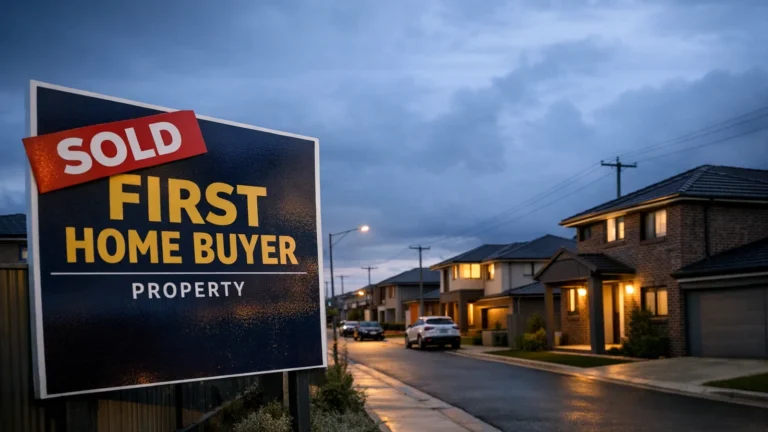
Falling house prices are supposed to make homes easier to buy. A parliamentary inquiry into Australia’s four largest banks heard this week that it has not worked out that way, and the numbers help explain why.
The inquiry was told that recent policy changes and rate increases have not yet delivered cheaper homes or any meaningful lift in supply, even with prices forecast to keep falling until 2028. That is the core puzzle. Housing affordability is about more than the sticker price. It is price, borrowing costs and the number of homes actually being built, all moving at once.
Why a lower price tag is not a cheaper home
A buyer does not pay the price. A buyer pays the repayment. When rates rise, the monthly cost of a loan climbs faster than a modest price fall can offset. A house that has dropped a few per cent in value can still cost more each month to hold, and it can still be out of reach once a lender runs a serviceability test.
That is the first mechanism. The second is that a price decline driven by tighter credit does not create new stock. It just shrinks the pool of people who can borrow. Fewer buyers chasing the same number of homes can pull prices down while leaving the underlying shortage untouched.
Key numbers
- ANZ’s chief forecast a 13.5 per cent fall in house prices, stabilising in 2028.
- Westpac’s chief said its construction project financing is down 30 per cent compared with up to eighteen months earlier.
- ANZ hardship rates reached five in every 1,000 customers, while applications fell 12 per cent.
- The inquiry chair claimed banks earn roughly $234 a week from a typical borrower. ANZ’s chief rejected that figure.
Construction funding is the supply pinch
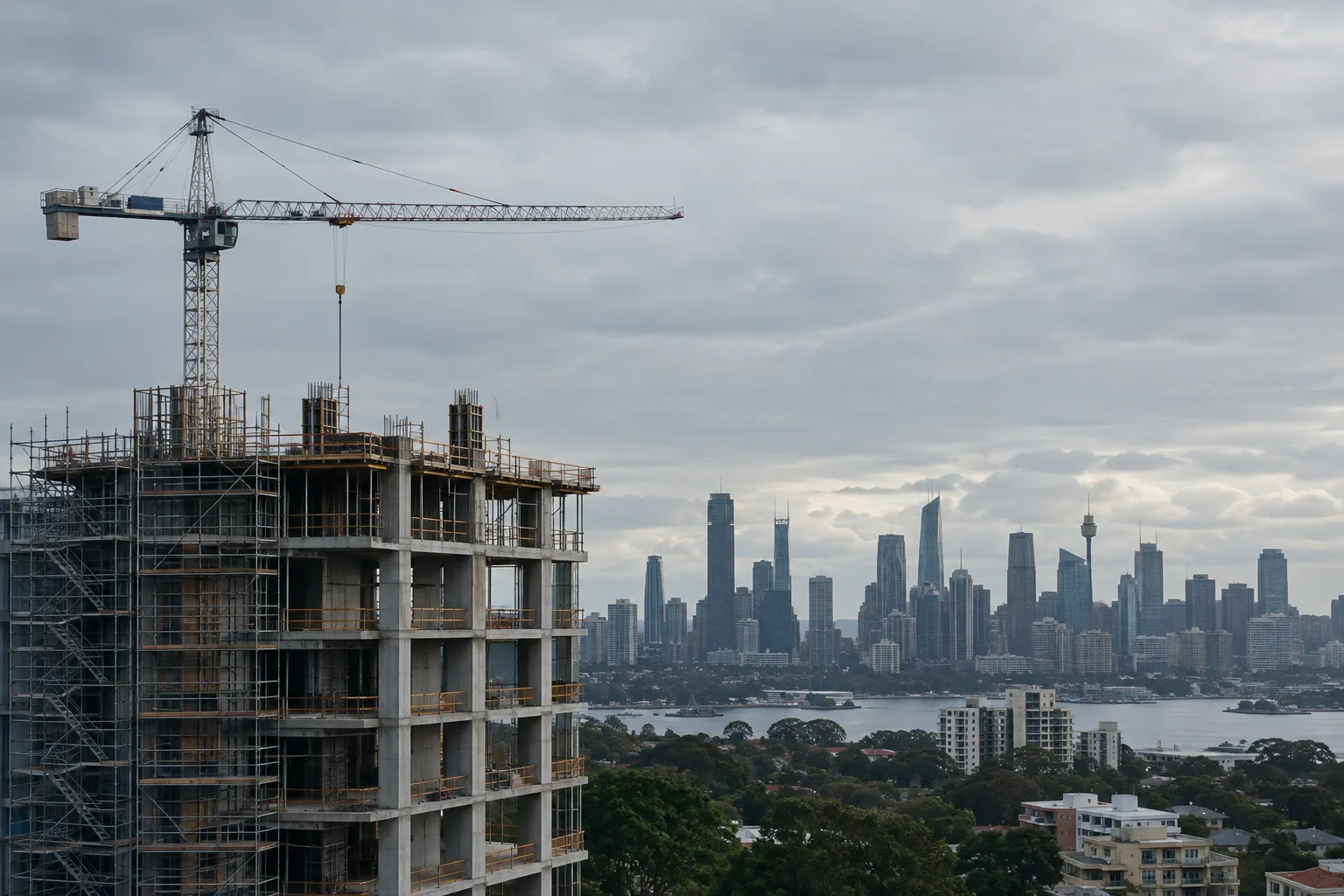
The most telling number from the hearing was the drop in lending to builders. Westpac’s chief executive said the bank’s financing of construction projects has fallen 30 per cent against a point up to eighteen months ago. He pointed mainly to cost pressures rather than policy settings.
That matters because a shortage does not fix itself while projects stall. If builders cannot make the numbers work, fewer homes reach completion, and the gap between households and dwellings persists even as prices fall. Our guide to housing supply, approvals and building costs walks through how those costs feed straight into what gets built.
The Westpac chief also addressed the May federal budget, which removed investor tax concessions but kept an exemption for newly built properties. He said that exemption had not yet lifted activity. He urged faster planning approvals as the lever that could actually move supply, rather than leaning on tax settings alone.
The margin argument is a separate fight
The inquiry chair put a number on bank profits from ordinary borrowers, saying banks collect roughly $234 weekly from a typical customer. ANZ’s chief rejected that claim. The dispute is worth separating from the affordability question, because the two get blurred.
Bank margins affect what borrowers pay, but they are not the main reason a first-home buyer is shut out. Funding costs, capital rules and credit risk all sit behind a lender’s pricing. ANZ’s chief also warned of competition for capital, a reminder that banks are pulled in several directions at once: lend more to builders, lend more to buyers, and still hold enough buffer against losses. We unpacked that bind in bank profitability and housing policy.
Stress is showing at the edges
The hardship figures are small but worth watching. Five in every 1,000 ANZ customers are now in hardship, a low share of the total book. Applications fell 12 per cent, which suggests some households are being turned away or are deterring themselves before they start.
This fits a wider pattern of strain building slowly rather than breaking suddenly. Our look at mortgage arrears risk as sentiment hits a four-year low covers how that pressure tends to show up first among recent buyers with thin buffers.
What it means for buyers and investors
The takeaway is a rule of thumb: watch the repayment, not the price. A falling market can still be an unaffordable one if rates and borrowing limits tighten faster than values drop.
For buyers, that argues for testing any purchase against a higher rate than today’s, and keeping a cash buffer. For investors, the supply picture cuts both ways. Weak construction lending points to tighter stock later, which can support rents and values, but a forecast price fall to 2028 means timing risk is real. Neither outcome is a certainty, and the forecasts quoted at the inquiry are the views of bank executives, not guarantees.
The practical step is simple. Before acting on a price drop, run the numbers on the repayment at a stressed rate, then compare that to what you can comfortably carry. Subscribe to the newsletter for weekly analysis on how rates, supply and policy are moving.
General info, not financial advice.