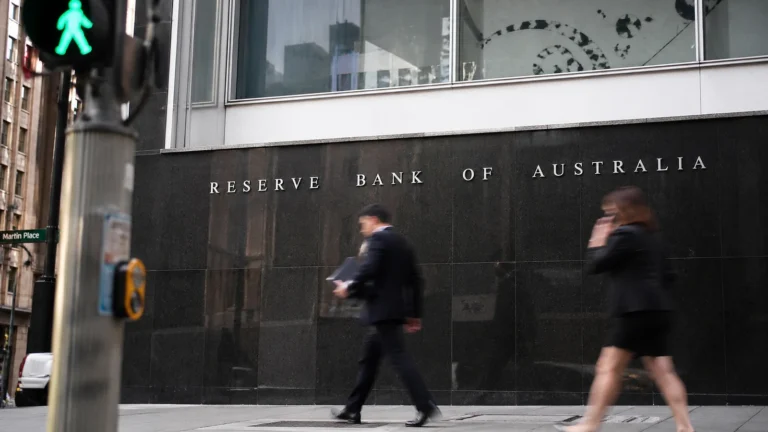
Markets are pricing a 76% chance of a September rate rise, which would push the cash rate to a 15-year high. But here’s the distribution problem: the households most exposed to another hike aren’t the ones spending on the services keeping inflation sticky at 3.6%.
The mechanics are straightforward. Rate rises work by making credit expensive, which forces borrowers to cut discretionary spending. But household exposure to mortgage debt is lumpier than it used to be. Finder polling found one in four mortgage holders expect to be debt-free within five years, meaning they’re either on small balances or close to the finish line. At the other end, recent buyers who entered at 2020-2022 prices are carrying large loans at variable rates that have already moved 400 basis points since mid-2022.
Who carries the load
Outright ownership in Australia sits above 30%, and those households see no direct hit from rate moves. Some benefit through higher deposit returns. Renters, around 30% of households, don’t face repayment pressure either, though rent increases are a separate inflation driver the RBA can’t dial down with the cash rate.
That leaves mortgage holders, but not all of them feel the same squeeze. Older borrowers with equity and small remaining balances adjust more easily. The concentration of pain lands on buyers from the past three years who borrowed at the upper limit of serviceability when rates were near zero.
SQM Research tracks housing finance data showing the volume of new loans written in 2020-2022 was historically high, meaning a large cohort entered at peak prices with maximum leverage. When serviceability buffers were calculated at 2.5% above the loan rate, a 4% move in actual rates compresses discretionary income fast.
The inflation the RBA can’t reach
Unlying inflation to July came in at 3.6%, driven heavily by fuel, energy, insurance and rent. These aren’t discretionary categories. A household already cutting back on dining and travel can’t easily reduce electricity or petrol further without changing where they live or work.
Services inflation, the component the RBA watches most closely, reflects wage growth, which is still running above productivity gains in some sectors. That’s a labour market story, not a borrower spending story. Tightening credit costs for leveraged households doesn’t directly cool wage negotiations in healthcare, education or hospitality.
The policy assumption is that weaker overall demand will soften the labour market enough to bring wage growth down. But if the transmission mechanism relies on a relatively small segment of highly leveraged recent borrowers cutting spending, the lag between rate moves and inflation outcomes stretches longer.
The catch
Rate rises are a blunt tool because they hit balance sheets, not behaviour. A household with $800,000 in mortgage debt feels every 25 basis point move immediately. A household renting or mortgage-free doesn’t, even if their spending habits are identical. The RBA doesn’t control who borrows or when, it only controls the price of credit after the fact.
What breaks first
HSBC’s chief economist flagged recession risk if tightening continues, noting the RBA may not be able to hold full employment and bring inflation to target simultaneously. The mechanism: small businesses operating on thin margins face higher debt servicing costs and weaker consumer demand at the same time, leading to closures and job losses.
Anecdotal reports from business lenders suggest more restructuring requests and covenant breaches in sectors exposed to discretionary spending. That’s the secondary effect, not just households cutting back, but the businesses that rely on that spending starting to fold.
If unemployment rises meaningfully from current levels near 3.7%, mortgage arrears follow with a lag. The question is whether inflation cools before that point or whether the RBA has to choose between undershooting on employment or overshooting on inflation.
Scenarios over the next six months
- Base case: One more hike in September, then a hold through summer while the RBA watches Q3 CPI and labour force data. Inflation drifts lower slowly, unemployment ticks up to 4.2%, and the first cut doesn’t arrive until mid-2025.
- Upside: Services inflation cools faster than expected due to weaker demand, the RBA skips September, and cuts begin in Q1 2025. Recent borrowers get relief before serious distress.
- Downside: Another hike in September and a follow-up in November push unemployment above 4.5%, small business failures accelerate, and the RBA is forced into cuts in early 2025 to prevent a deeper contraction, but arrears have already spiked.
What this means if you’re a recent borrower
Run your cashflow at 5.85% (current variable average plus 25 basis points). If you can’t service that without cutting essentials, refinance now while you still have equity and stable income. Fixed-rate options are limited and not cheap, but locking in certainty for two years may be worth the premium if your buffer is thin.
If you’re an investor holding negatively geared property and relying on capital growth to justify the carry cost, pressure-test your assumptions. If rates stay elevated into 2025 and prices stay flat, the holding cost compounds. Some markets are already seeing investor sell-downs as yield compression forces a rethink.
The policy debate nobody’s having
The distribution problem suggests monetary policy alone can’t solve this inflation episode without collateral damage. Fiscal levers, targeted cost-of-living relief, energy subsidies, supply-side housing reforms, could take pressure off the categories driving inflation without loading all the adjustment onto leveraged households.
But fiscal coordination requires political will and timing that doesn’t align neatly with RBA board meetings. So the cash rate remains the primary tool, even when the targeting mechanism is misaligned.
Bottom line: if the next hike lands, it’s hitting a segment that’s already adjusting hard while leaving the inflation drivers in services and non-discretionary categories largely untouched. The lag between pain and result is getting longer, and the risk of overshooting on unemployment is rising.
Start here: model your repayments at 5.85% today. If the gap between that and your current budget is uncomfortably tight, prioritise refinancing or building a three-month expense buffer before September. Subscribe to the newsletter for weekly credit and policy updates.
General info, not financial advice.