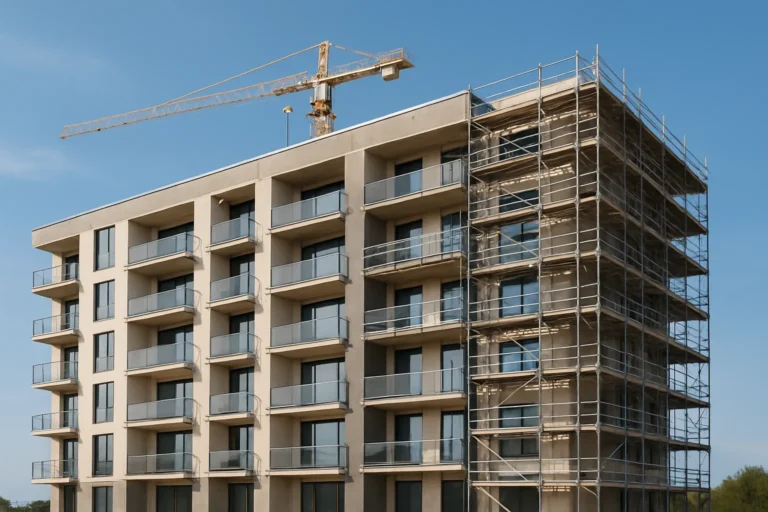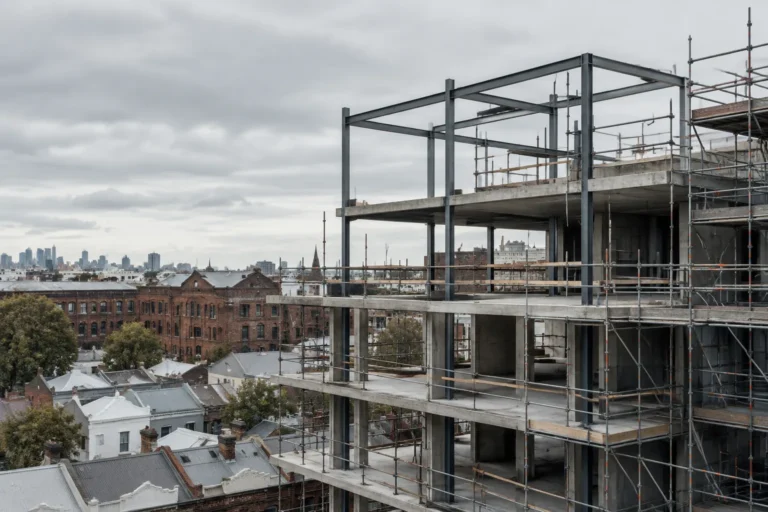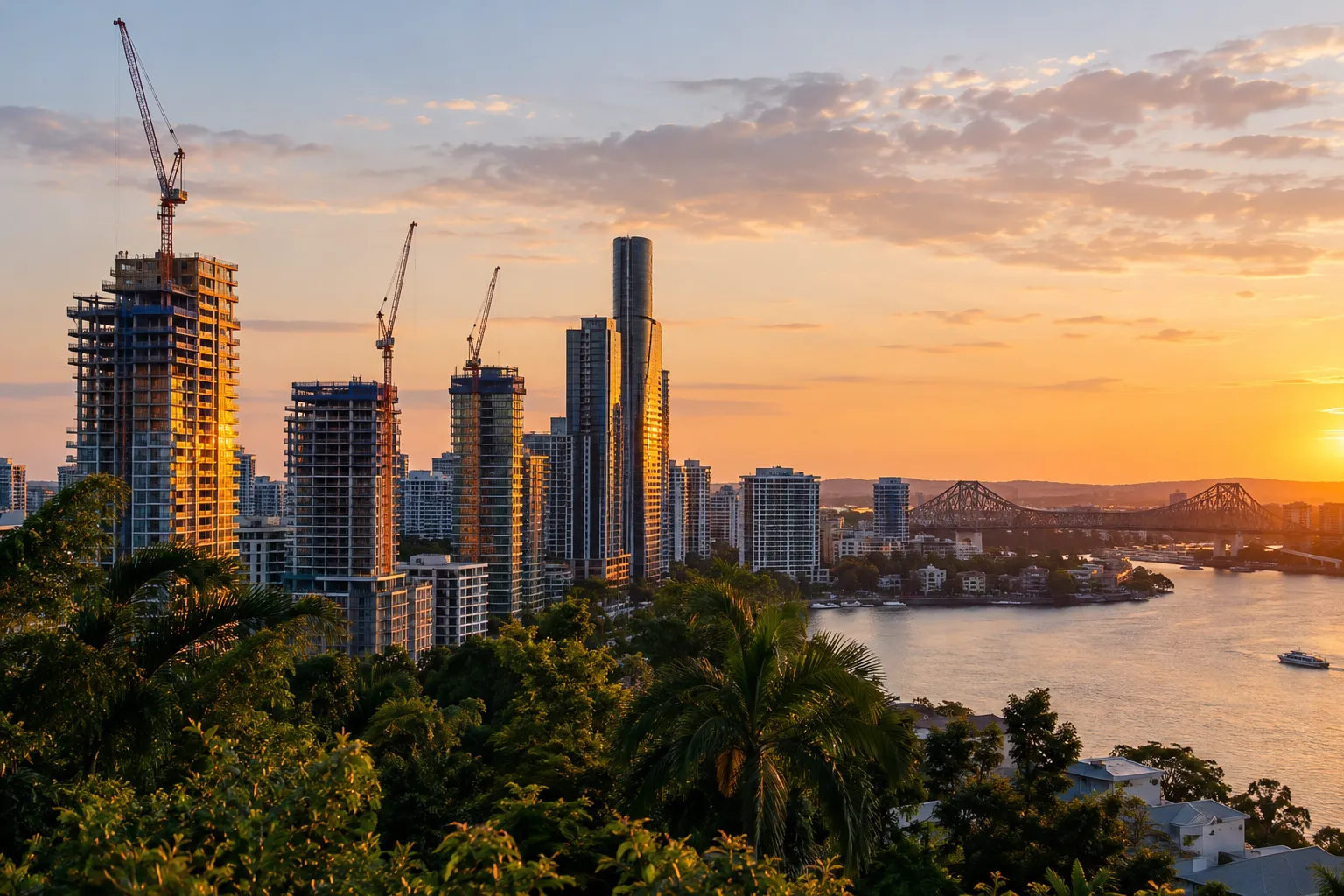
Queensland apartment developers are about to compete with the state itself. A large public infrastructure program is lining up for the same builders, trades and materials that private towers depend on, and that is a problem for anyone trying to make a project stack up.
The brief for this story points to an Olympic-sized cost crunch. The details behind it sit behind a paywall, so treat what follows as economic reasoning about how these pressures usually work, not a count of specific projects or dollar figures.
Public works and private towers fight over the same crews
Construction is a shared labour market. A stadium, a rail upgrade and a residential tower all need concreters, formworkers, crane operators, electricians and site managers. When government spending ramps up, those people are not created from nothing. They get bid away from other jobs.
Public projects often have deep budgets and fixed deadlines. Private apartment developers have neither. They have a feasibility study and a lender watching the numbers. In a tight labour market, the party with the firmer deadline and the bigger cheque tends to win.
- Tier-one contractors can only run so many large jobs at once.
- Subcontractors price in the risk of being pulled between sites.
- Materials such as steel, concrete and glass get more expensive when demand clusters in time.
Why feasibility is the pressure point
A developer works backwards. They estimate what apartments will sell for, subtract construction cost, finance, margin and fees, and see what they can pay for the land. If costs rise and sale prices cannot follow, the sum stops working.
Lenders and pre-sale requirements make this sharper. Banks typically want a high share of apartments sold before they release construction funding. Buyers, though, are limited by their own borrowing capacity. So developers cannot easily pass higher costs on, and projects that were marginal become unfundable.
We have covered this dynamic before in apartment construction costs that force a luxury bias and block supply. When costs climb, the projects that survive tend to be pricier, which is the opposite of what a housing shortage needs.
Key numbers
- Timing of public infrastructure peak: the key unknown, and the main driver of cost pressure
- Pre-sale thresholds lenders typically require: often a majority of apartments before funding
- Typical feasibility margin: thin enough that a modest cost rise can sink a project
Fewer starts today means fewer completions later
Apartments take years from site purchase to keys. A project that does not start now will not complete in two or three years. So a cost shock that deters starts shows up as a completions gap down the track.
That matters because supply was already a concern. Rezoning headlines can look generous on paper, as in our look at Brisbane’s rezoning for 27,000 homes and the gap between supply numbers and delivery. Approved or zoned capacity is not the same as built homes. The binding constraint is whether a project can be built at a price someone will pay.
For more on the wider picture, our guide to housing supply, approvals and building costs lays out how these pieces fit together.
What it could mean for rents
If fewer apartments arrive, the pool of new rental stock shrinks. Many apartments, especially in inner Brisbane and along the Gold Coast, end up in investor hands and then in the rental market. A thinner pipeline means less new supply competing for tenants.
That does not guarantee rent rises. Rents depend on wages, migration, household formation and how much existing stock is available. But a supply shortfall tilts the odds toward tighter conditions, particularly where population growth keeps going. Our piece on Queensland migration and property prices covers the demand side of that equation.
Who could come out ahead
Not every developer loses. Those with land already bought, approvals in hand and construction contracts locked in at fixed prices may be better placed than those still negotiating. Established projects that complete during a period of scarcity could also sell or lease into a firmer market.
The risk sits with developers who need to start soon, rely on tight margins and have not secured trades. For them, delay is the cheapest option, and delay is exactly what pushes supply further out.
What would change my mind
A few things could soften this outlook:
- Staged or smoothed public works that avoid a single peak in demand for labour.
- A faster pipeline of trained workers, through apprenticeships or skilled migration.
- Prefabrication and modular methods that cut reliance on scarce on-site trades.
- Government support or planning changes that improve feasibility directly.
None of these is certain, and several take years to have an effect.
Bottom line
Public infrastructure and private housing draw on the same limited pool of construction capacity. When the state ramps up, apartment feasibility is one of the first things to feel it. The most likely outcome is not a collapse but a slower, pricier pipeline, with the effect showing up in completions and rents a few years from now. If you are weighing a Queensland apartment purchase or project, check the builder’s contract terms, the pre-sale position and the expected completion date before anything else.
Start here: subscribe to the Australian Property Review newsletter for the weekly signal on supply, rates and policy.
General info, not financial advice.