House prices are falling. Auction clearance rates sit in the low 50s across most capitals. Headlines warn of negative equity risk. Yet the housing component of the consumer price index climbed for the third consecutive month, reaching 6.8 per cent, well above the 3.8 per cent headline inflation figure and nearly double the RBA’s target band.
The contradiction is real, and it’s mechanical. House prices don’t appear in the inflation basket. The housing category measures construction costs, utilities and rents, all of which are rising, and none of which respond to interest rate hikes the way asset prices do.
Why rate hikes don’t touch this kind of inflation
Electricity costs jumped more than 22 per cent over the year as government rebates rolled off. New dwelling construction costs rose 5.8 per cent as builders passed through higher labour and materials expenses. Rents increased 3.6 per cent, a pace that looks modest until you stack it on top of the previous 18 months of sharp gains.
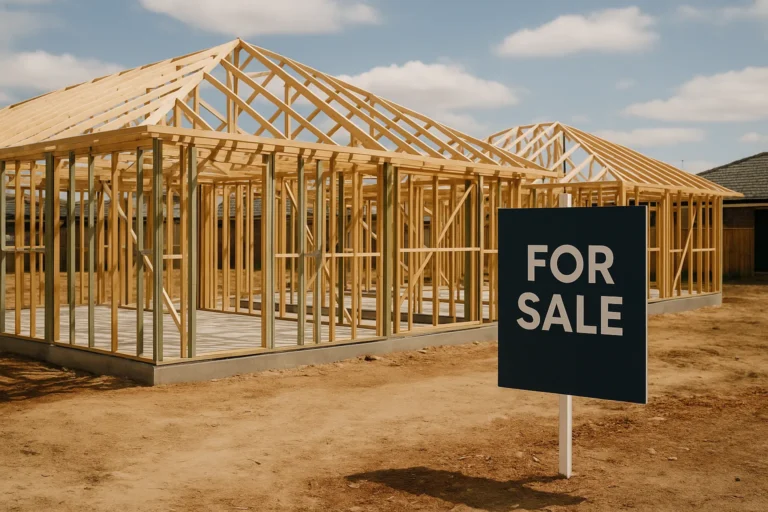
Higher rates don’t reduce any of these inputs. They don’t lower the cost of bricklayers, timber or copper wire. They don’t make electricity cheaper. What they do is raise financing costs for developers and push marginal projects below the viability line, which chokes off future supply and, eventually, puts upward pressure on rents.
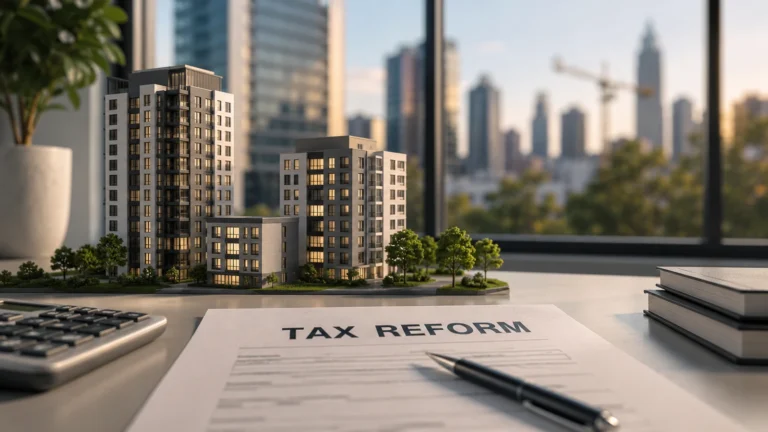
That dynamic is already in motion. Investor activity has pulled back sharply since the government flagged changes to negative gearing and capital gains tax settings. Fewer investors means less rental stock entering the market, even as population growth holds near record levels.
The investor calculation and what’s shifting it
Investors buy on yield, capital growth expectations and tax treatment. When two of those three inputs turn negative, falling prices plus the prospect of less favourable tax settings, activity stalls.
Settlements data and lending approvals both show investor participation down. That doesn’t show up immediately in rental listings or vacancy rates, because it takes time for reduced buying activity to flow through to actual supply gaps. But the lag is finite, and the direction is clear.
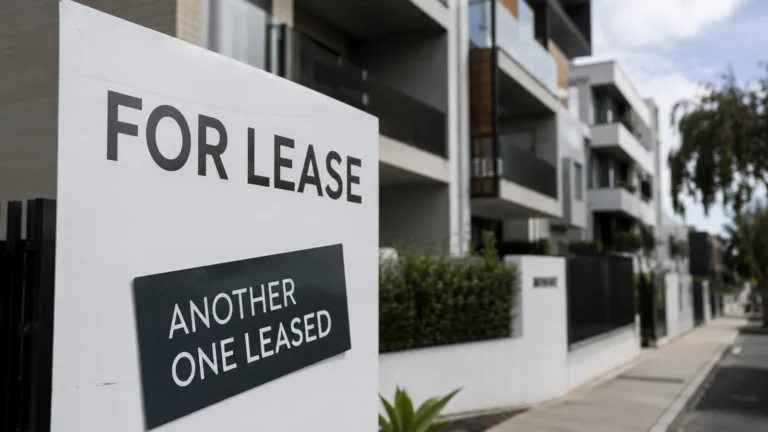
The result: rental supply is tightening at the same time construction costs remain elevated and financing costs for new builds stay high. Rental vacancy rates hit record lows as viability gap chokes supply, and the pipeline for new stock is thinner than it’s been in years.
Key numbers
- Housing inflation: 6.8%, third consecutive monthly increase
- Headline CPI: 3.8%, third consecutive monthly decline
- Electricity costs: up 22% year-on-year as rebates ended
- New dwelling construction costs: up 5.8%
- Rents: up 3.6%, with further acceleration expected as investor activity lags
Where the policy settings are pulling in opposite directions
Monetary policy is designed to cool demand. Fiscal and tax policy around housing is reducing investor participation, which cuts future rental supply. Construction costs are sticky and don’t respond to rate changes. Electricity rebates are political decisions, not economic levers.
The result is a system where asset prices fall, satisfying one definition of affordability, while the actual cost of housing someone rises. Owner-occupiers with mortgages face higher repayments. Renters face higher asking rents and fewer vacancies. Builders face higher input costs and lower margins.
None of these groups experiences the benefit of falling house prices in the short term, because house price declines don’t reduce their immediate cashflow burden. The gap between asset affordability and housing expense affordability is widening, not closing.
What happens as the lag catches up
The supply shock from reduced investor activity hasn’t fully landed in rental market data yet. Rental inflation at 3.6 per cent is already above the RBA’s comfort zone, but it’s trailing the real pressure building in the listings market.
Over the next six to twelve months, as leases turn over and new supply continues to undershoot demand, that 3.6 per cent figure is likely to move higher. The gap between rental growth and wage growth will widen further, putting more households into rental stress as migration and tax policy work against each other.
Construction activity won’t rebound until margins improve or financing costs fall, neither of which looks imminent. Rate cuts would help developer viability, but cuts require inflation to settle convincingly below target, which won’t happen if housing inflation keeps accelerating.
Three things that could shift the dynamic
First, a reversal or delay of the proposed negative gearing and capital gains tax changes. That would bring some investors back, but it doesn’t solve the construction cost or electricity price problem.
Second, a material lift in construction productivity or a drop in materials costs. Possible over a multi-year horizon, unlikely in the next twelve months.
Third, slower population growth, either through lower migration settings or weaker student visa demand. That would ease rental pressure but comes with its own economic trade-offs, particularly around labour supply and university revenue.
None of these are free moves. Each carries a cost elsewhere in the system.
Bottom line for decision-makers
If you’re holding investment property, cashflow is under pressure from higher rates, but the rental yield side is improving as asking rents rise. Exit now and you crystallise a capital loss; hold and you face ongoing negative gearing at higher interest expense, though future tax treatment remains uncertain.
If you’re renting, expect further rent increases over the next year as supply tightens. Borrowing capacity is also squeezed, making the jump to ownership harder even as house prices fall.
If you’re building or developing, project viability depends on financing cost assumptions that could shift with the next RBA decision, and construction cost inflation that shows no sign of reversing soon.
The policy settings are working against each other. One arm of government is trying to cool housing demand through tax changes; the other is trying to cool inflation through rate hikes. Both are succeeding at their immediate goal, but the combined effect is higher housing expense inflation alongside falling asset prices, a paradox that leaves most participants worse off in the near term.
Subscribe to the newsletter for the weekly breakdown of what’s moving and why.
General info, not financial advice.