Australia’s commercial property market pulled $14.7 billion in first-half investment, up 68% on last year, with second-quarter volumes hitting their strongest level since 2021. Four large portfolio deals accounted for much of the surge, signalling institutional appetite is back after two years of caution.
The question is whether this represents a fundamental recovery in commercial fundamentals or a symptom of yield compression in residential forcing capital to hunt elsewhere. If it’s the latter, the reallocation could starve residential rental supply of investment capital for years, compounding shortages that already exist.
What’s changed in commercial markets
Yields have adjusted upward across office and industrial in Melbourne, Adelaide and Perth, but the repricing has been less severe than the 2022-23 cycle. Transaction activity is concentrated in industrial and large-format retail, with institutional buyers favouring portfolio deals over single assets.
Residential investors are citing stronger net returns in commercial as a reason to shift capital. The gap between buyer and seller price expectations is narrowing, unlocking transactions that were stuck six months ago. Large-format retail is outperforming enclosed shopping centres, industrial warehousing and CBD office on yield and return metrics.
Interest rate expectations have stabilised. The RBA’s pause is giving investors room to model scenarios without the constant threat of another hike. Market pricing now points to potential cuts in 2027, though inflation and wage growth remain sticky enough to keep that outcome uncertain.
The industrial and retail mechanics
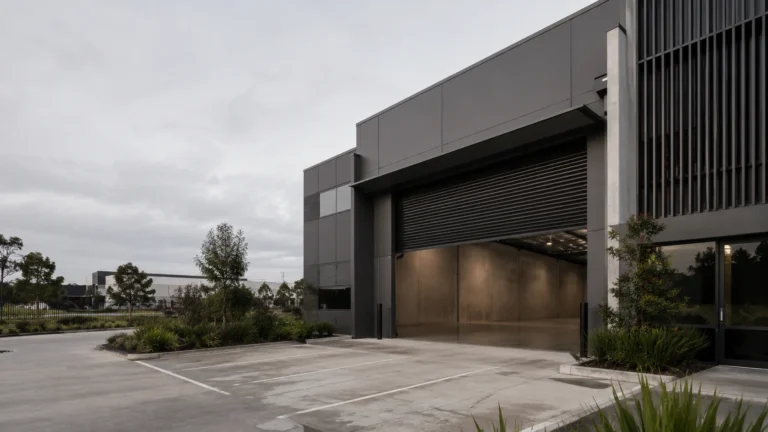
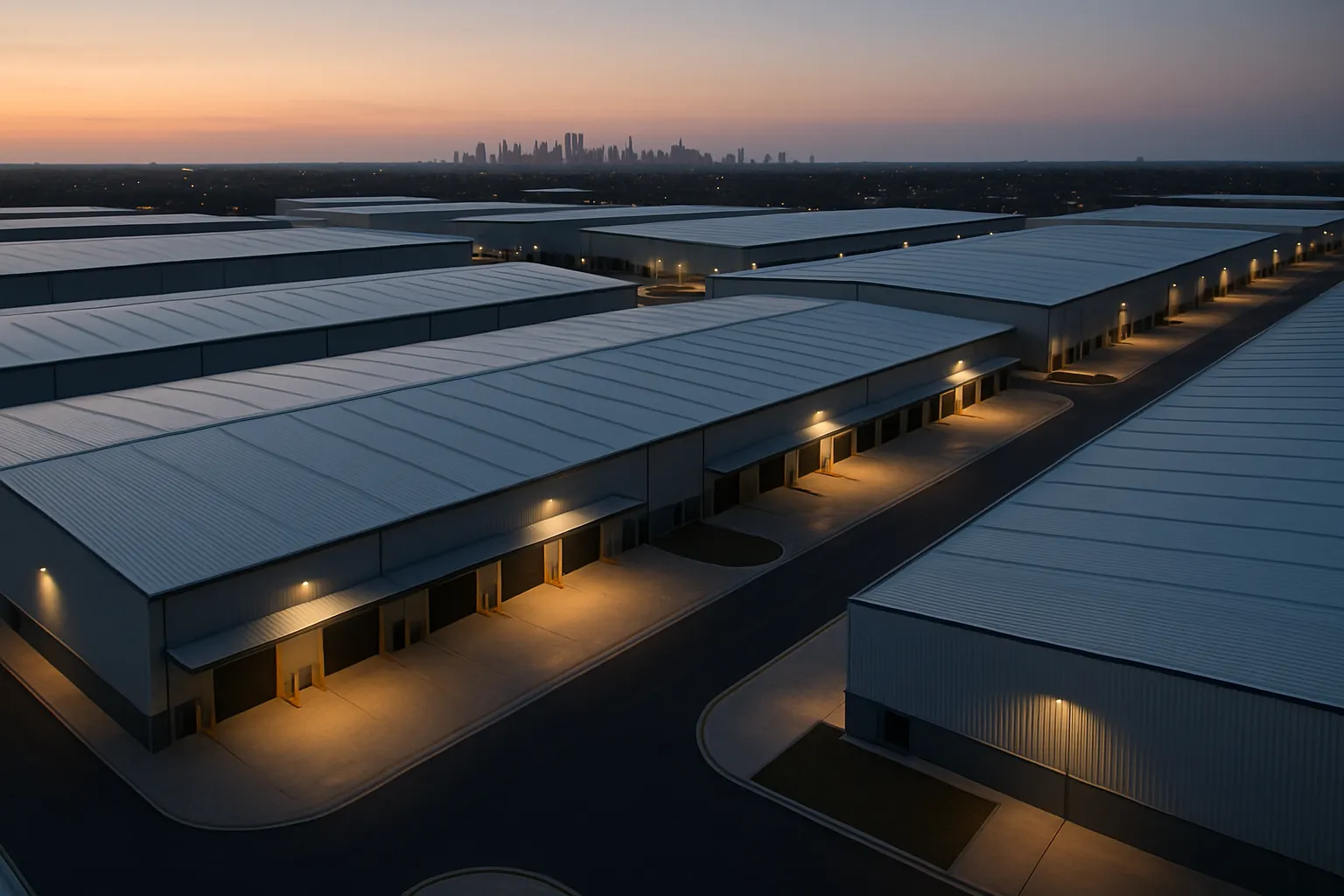
Industrial attracted capital from A-REITs, unlisted trusts, developers and private investors. Occupier fundamentals are tight, supply pipelines remain constrained and rental growth expectations are supporting valuations even as rates stay elevated.
Large-format retail accounts for roughly one-third of Australia’s retail space and generates about $1 in every $4 spent at retail registers. Tenants in this segment generally hold strong balance sheets and sell products relatively resilient to e-commerce disruption. Supply is the constraint: land and construction costs are high, approval timelines are long and competing land uses make new LFR projects difficult to deliver.
Retailers are responding by acquiring land directly and assembling complementary precincts rather than waiting for developers to build centres. Store footprints are shrinking where needed, with operators accepting that a smaller, well-curated tenancy can deliver comparable trading outcomes in the right catchment.
Fitness facilities, quick-service restaurants, wellness concepts and home-lifestyle offerings are being woven into LFR precincts to increase dwell time and create complementary destinations. The next phase may involve repositioning older but well-located centres rather than building from scratch.
Why residential capital is moving
Residential gross yields in capital cities are sitting between 3% and 4.5% depending on location and property type. Net yields after management, maintenance and vacancy average lower. Commercial assets with strong tenants and lease terms are delivering net returns materially above that, with less hands-on management.
Serviceability buffers and borrowing capacity have tightened for residential investors over the past 18 months, making it harder to add stock even when prices soften. Commercial deals often involve longer lease terms, less tenant churn and more predictable cashflow, which improves bankability for some borrowers.
The residential rental vacancy rate remains below 1% in several capital cities, and construction approvals are running well below replacement demand. If institutional and high-net-worth capital continues reallocating toward commercial, the residential rental pipeline loses a key funding source at exactly the wrong time.
The catch
Commercial property is not a like-for-like substitute for residential. Liquidity is lower, transaction costs are higher, tenant default risk is different and the skill set required to assess leases, building quality and location fundamentals is distinct. Investors shifting capital without adjusting their risk framework are setting themselves up for mistakes.
Trade-offs and what could reverse the shift
Base case: commercial investment stays elevated through 2027 as long as the RBA holds or cuts, residential yields remain compressed and supply constraints keep industrial and LFR fundamentals tight. Residential rental supply continues to lag, pushing rents higher and eventually drawing some capital back once yields reset.
Upside: rate cuts arrive earlier than priced, commercial asset values stabilise or lift and capital gains add to income returns. Residential yields stay low, reinforcing the case for commercial allocation.
Downside: inflation proves stickier, the RBA hikes again or holds longer than expected and commercial valuations reprice lower. Tenant defaults rise in a weaker economy, vacancy increases and the yield advantage narrows. Residential prices fall enough to lift yields and pull capital back.
Red flags to watch: rising office vacancy in CBDs (particularly Melbourne and Sydney), large-format retail tenant stress if discretionary spending weakens, and any sign that industrial demand is softening as e-commerce growth moderates. Also watch residential rental yield movements closely. If auction clearance rates drop and prices adjust downward, gross yields will lift and some capital will rotate back.
What this means for decision-makers
If you’re a residential investor considering a shift to commercial, pressure-test your assumptions on tenant quality, lease terms, exit liquidity and your own ability to manage or delegate property management. Commercial is not a set-and-forget income play.
If you’re staying in residential, recognise that yield compression and capital reallocation are structural headwinds for the next 12 to 18 months. Focus on markets where supply constraints are most acute and rental growth can offset low entry yields. Sydney’s housing supply plan shows where policy is attempting to address the gap, but delivery timelines remain uncertain.
If you’re tracking the Sydney office market, note that institutional capital is moving back into select CBD assets despite the work-from-home narrative. Quality and tenant strength are the filters.
What happens from here
Second-half investment volumes will clarify whether the first-half surge was a catch-up after two years of drought or the start of a sustained reallocation. Offshore capital continues to target Australian commercial property, adding to domestic competition for quality assets.
The selectivity remains: high-quality assets with strong fundamentals and reliable tenants are trading at pace, while secondary stock sits longer or reprices lower. Vendors are accepting today’s market pricing more readily than six months ago, which is improving liquidity but also confirming that the price adjustments are real.
For residential rental supply, the risk is that capital stays locked out for longer than the market can afford. Vacancy is already at historic lows, construction is not keeping pace with demand and if investment capital continues flowing into commercial at this rate, the rental shortage deepens before it improves.
If you want the weekly breakdown of what’s shifting capital flows and where the next pressure points are forming, subscribe to the newsletter.
General info, not financial advice.