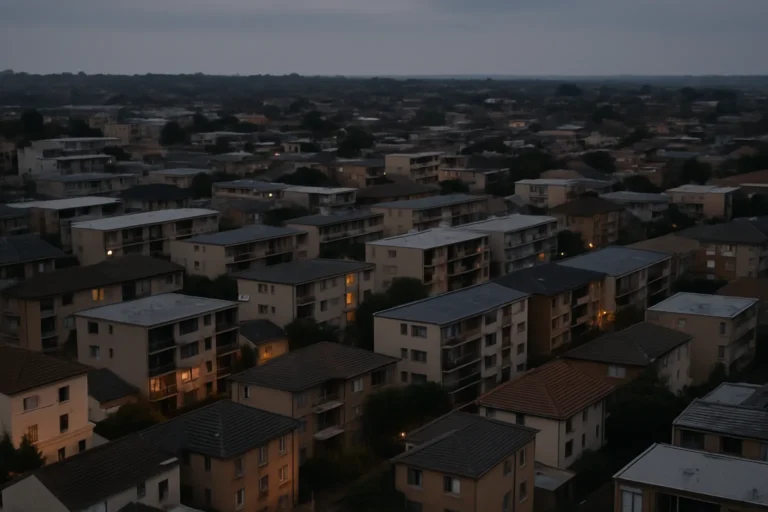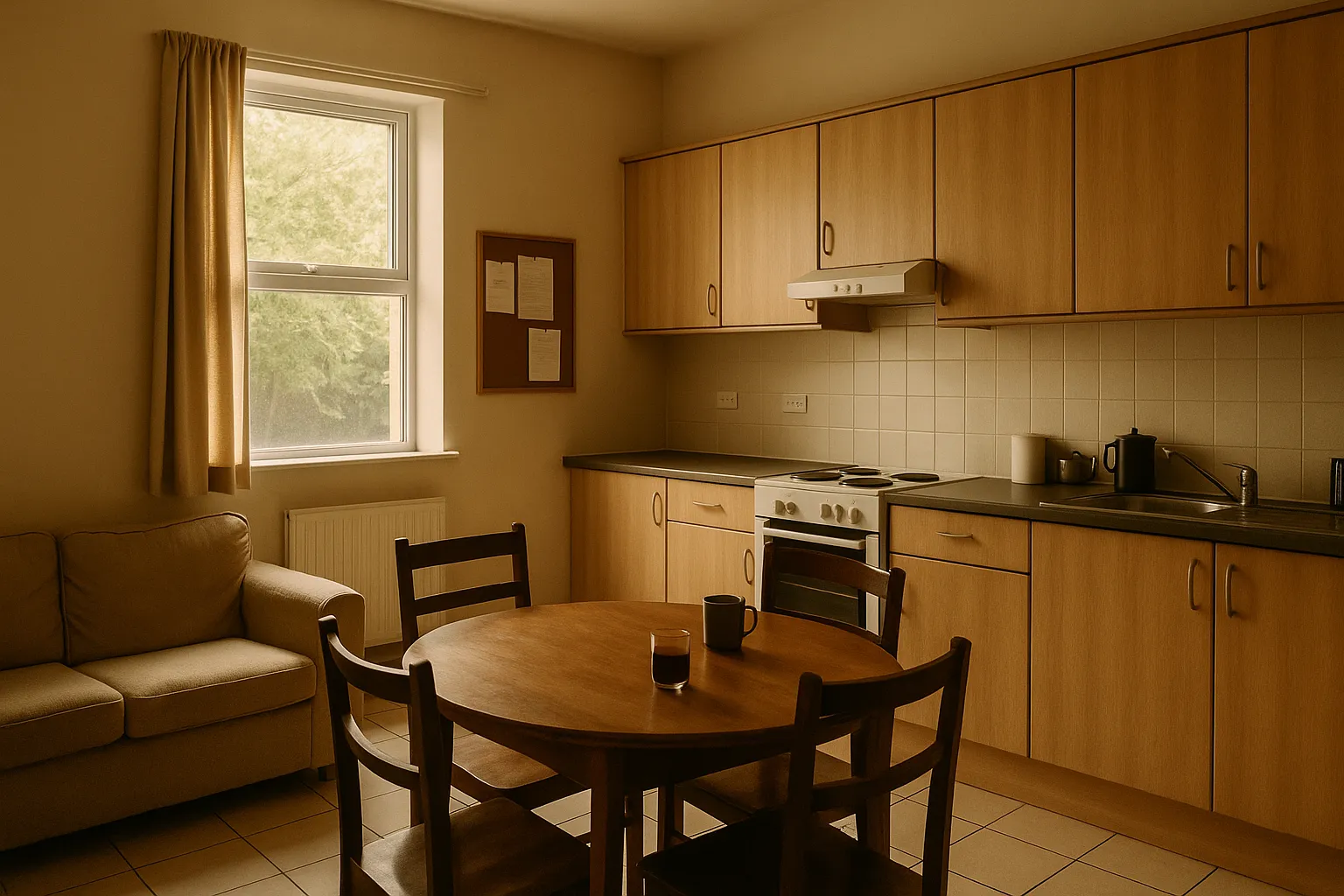
The face of shared rental accommodation in Australia is no longer the university student splitting a three-bedroom near campus. It’s a worker in their mid-40s who expected to own by now and doesn’t.
National survey data tracking over 3,500 share house residents shows 44% are aged 40 or older, the single largest age cohort. Just 16% are 25 and under. That inversion matters because it reframes share housing from a transitional phase into a structural housing class, with knock-on effects for retirement savings, rental supply and the wealth distribution between generations.
The affordability lock-in
Three-quarters of respondents said high housing costs extended how long they would remain in shared accommodation. Just under a third said they never expected to own.
That’s not a lifestyle preference. It’s a wealth timeline being rewritten in real time. By age 40, previous cohorts were typically building equity through ownership. Today’s equivalent cohort is splitting utilities and negotiating fridge space, with no asset accumulation and minimal superannuation top-up from the rent saved.
The retirement adequacy gap this creates isn’t abstract. Someone renting through their 50s and 60s faces materially higher cost-of-living risk in retirement than someone who paid off a mortgage by 60. The buffer that home ownership traditionally provided, a rent-free retirement or downsizing capital, disappears.
What’s driving the age shift
Two mechanics converge here. First, the entry threshold for ownership has climbed faster than incomes. Serviceability tests tightened post-royal commission, deposit requirements rose with higher prices, and wage growth lagged. That pushed the ownership age upward for marginal buyers.
Second, rental supply at the affordable end remains tight. Vacancy rates in metro markets have hovered below 2% for extended stretches, and new rental stock skews toward higher price points. Share housing absorbs demand that can’t compete for standalone leases.
The flexibility of the sector helps explain its persistence. While 35% of residents had lived in shared accommodation for five years or more, 71% reported at least one person moving in or out within the past year. High churn creates ongoing search costs and coordination friction, but it also allows households to adjust to income shocks or location needs without breaking a sole-name lease.
The catch
- 69% of respondents said at age 20 they didn’t expect to still be sharing at their current age
- 40% reported overpaying their share of rent at some point
- 38% moved in without fully understanding the lease terms
- 86% still rated their household as a positive place to live
Second-order effects on rental demand
If share housing becomes the default for a growing slice of the 40-plus cohort, three things shift in the broader rental market.
One: aggregate household formation slows. Each share house consolidates what could have been two or three separate rental contracts. That dampens headline rental demand growth even as population climbs.
Two: the renter profile ages, which changes what landlords optimise for. Older renters typically stay longer and maintain properties better, but they also negotiate harder on lease terms and expect faster repairs. The friction between investor expectations (low-touch, high-turnover) and renter reality (long-term, higher-maintenance relationships) grows.
Three: retirement-age renters become a policy surface area. Currently, assistance mechanisms assume most over-65s own or live in social housing. A structural increase in lifetime renters forces either higher age pension payments to cover rent or expanded social housing supply targeting older cohorts. Neither is funded in forward estimates.
The WA housing affordability crisis, where repayments now hit 47.5% of median income, shows how quickly serviceability can lock out marginal buyers. Share housing is the release valve, but it doesn’t build wealth.
Risks and what could change
Base case: this cohort remains structurally locked out of ownership unless deposit settings ease or prices correct materially. That means share housing demand stays elevated and the retirement wealth gap widens.
Upside scenario: a sustained period of real wage growth above 3%, combined with flat nominal prices, improves affordability over 3-5 years. Deposit assistance schemes (first home guarantees, shared equity) scale meaningfully. Some of the 40-plus cohort transitions to ownership, easing pressure.
Downside scenario: another rate cycle, recession, or supply shock pushes more households into shared accommodation. The 50-plus share of the market climbs further. Rental disputes increase as longer-term residents assert tenant rights in share house arrangements not designed for them. Policy response lags, creating a grey market of under-documented, high-churn leases.
What to watch
Median age of first-home buyers. If it continues climbing past 36-37, the share house cohort will age in parallel. Vacancy rates in the sub-$400/week rental band. If they stay below 1.5%, shared accommodation remains the only viable option for single income earners in metro markets. Any policy targeting renters over 50, rent assistance top-ups, bond loan expansions, tenancy law changes around long-term security.
Bottom line
Share housing used to be a rite of passage. For the fastest-growing segment, it’s now a permanent housing class driven by affordability constraints, not choice. That shifts the risk profile for retirement adequacy and rental demand. If you’re an investor assuming your tenant base will keep turning over every 12 months, this cohort behaves differently. If you’re a renter in your 40s without a deposit path, the wealth gap compounds every year you stay.
The rentvesting strategy, renting where you live, buying where you can afford, fails the cashflow test for most share house residents. The gap between saving for a deposit and covering rising rent leaves no margin.
Start here: if you’re renting in a share house past 35, model your retirement cashflow assuming you rent through to pension age. If the gap is material, either your savings rate needs to double or you need a deposit pathway that doesn’t rely on current income alone.
Subscribe to Australian Property Review for the weekly signal on affordability, policy and what’s shifting in housing demand.
General info, not financial advice.