Australia’s housing market is doing what lazy headlines usually miss. It is not moving as one market.
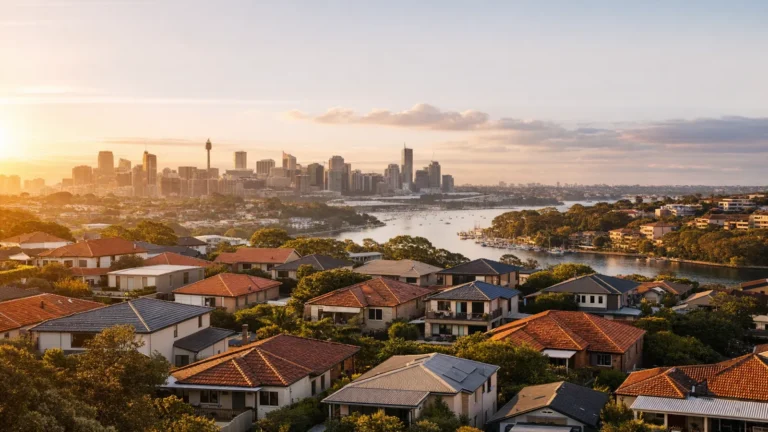
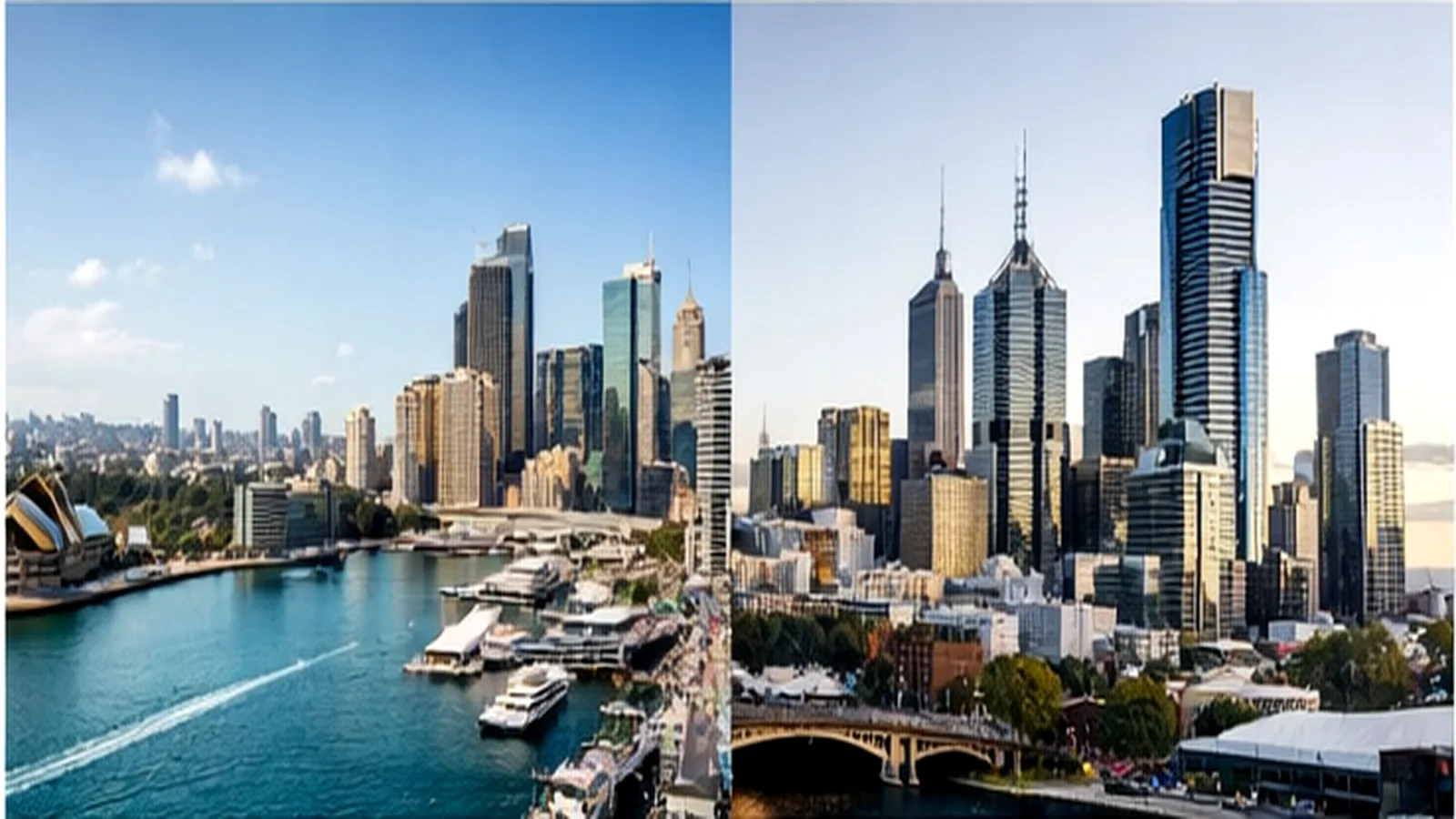
Sydney and Melbourne, the two biggest and most rate-sensitive housing markets in the country, have edged into decline in recent months. Cotality’s March Home Value Index said both cities were already in the early stages of a downturn, with Sydney down 0.2 per cent and Melbourne down 0.6 per cent over the March quarter, while Perth, Brisbane and Adelaide were still posting strong gains. The AFR then reported Cotality’s rolling daily index showed Sydney and Melbourne values shrinking since February, even as the national market kept rising.
That is the real story here. Not “property is crashing”. Not “housing is booming”. The more useful read is that the national market is splitting harder, with expensive east coast markets losing momentum while more affordable capitals still have enough demand and tight enough supply to keep climbing. APReview has already been tracking that divergence across both city and suburb level data.
Australia’s market is no longer moving in one line
On paper, the national figures still look firm. Cotality said national dwelling values rose 0.7 per cent in March and 2.1 per cent over the quarter. But that same update showed just how uneven conditions have become: Perth rose 7.3 per cent over the quarter, Brisbane 5.1 per cent and Adelaide 3.6 per cent, while Sydney and Melbourne went backwards.
Now, the part most people miss.
When national numbers still look healthy, it is easy to assume the broad market is holding up fine. But national averages can hide stress in the places that matter most for sentiment, debt and affordability. Sydney and Melbourne do not just represent two local housing markets. They carry a huge share of household leverage, media attention and buyer psychology. When they soften together, it usually tells you borrowing power is biting.
That does not mean the rest of the country automatically follows. In fact, APReview’s recent coverage has made the opposite point: plenty of cheaper suburbs and smaller capitals are still finding support because buyers have been pushed down the price ladder rather than out of the market entirely.
Why the east coast is feeling it first
The simple version is this: higher rates hurt the most expensive markets first.
Sydney and Melbourne have bigger loan sizes, tighter affordability and more buyers whose purchasing power depends heavily on finance. When rates stay high, or markets start pricing in more pain ahead, serviceability gets squeezed. In plain English, buyers can borrow less, so they bid less aggressively, wait longer, or step back altogether. APReview has made that point before, and it is exactly why these two cities have looked more exposed than Perth, Brisbane or Adelaide.
There is also a sentiment layer on top of the maths. Expensive markets rely more on confidence. A buyer stretching into a $1.3 million Sydney home does not just need bank approval. They need to believe rates are manageable, their job is safe, and today’s price still makes sense six to 12 months from now. Once that confidence wobbles, urgency drains out fast.
You can already see that in Cotality’s March commentary. It noted softer conditions in Sydney and Melbourne were lining up with weaker auction clearance rates and a pickup in advertised supply, giving buyers more choice and less urgency at the negotiating table.
The catch in the national numbers
Here’s the catch. A weaker Sydney or Melbourne does not automatically create broad affordability relief.
If higher rates cool demand but supply remains constrained, the result is often not a clean reset. It is a more selective market. Some buyers pause. Others downgrade their expectations, switch from houses to units, or move further out. That can keep pressure on more affordable pockets even while premium markets soften.
That is consistent with APReview’s recent coverage showing roughly seven in 10 suburbs were still rising, despite rate fears building. The pressure has not disappeared. It has shifted.
There is another second-order effect worth watching. If higher rates and rising costs make development harder to stack up, the supply pipeline can weaken again underneath the surface. That does not help affordability later. It can actually store up the next shortage.
So the national split is not just a headline about which city is up and which is down. It is a sign that the housing market is being forced into narrower pockets of demand, where affordability, supply and finance conditions still line up.
Key numbers
Cotality’s March update showed national dwelling values up 0.7% for the month and 2.1% for the quarter. Over that same quarter, Sydney fell 0.2% and Melbourne fell 0.6%, while Perth rose 7.3%, Brisbane 5.1% and Adelaide 3.6%.
What is holding up Perth, Brisbane and Adelaide
The stronger capitals are not immune. They just have different fuel.
Perth still has the clearest momentum in the March Cotality figures, helped by relative affordability, low advertised stock and a market that has been catching up after underperforming for years. Brisbane and Adelaide have also benefited from tighter supply, interstate migration and a price point that, while no longer cheap, still looks more manageable than Sydney for many borrowers.
That does not make them risk-free. It just means they have had more room to absorb a high-rate environment.
And even there, investors should be careful not to turn a city story into a suburb shortcut. Strong citywide momentum can still hide weak stock selection, stretched yields or pockets where too much optimism has already been priced in. That is why broad market calls are useful only up to a point.
What would change the outlook from here
The next move still runs through rates, inflation and confidence.
If the Reserve Bank stays tougher for longer, Sydney and Melbourne could keep drifting lower and the stronger capitals could start cooling more noticeably. If inflation eases faster than feared and rate pressure fades, the downturn in the two big cities may stay shallow rather than turning into something uglier.
Employment matters too. Housing slowdowns are manageable when jobs hold up. They become more dangerous when weaker confidence collides with labour market stress and forced selling.
So what does that mean in plain English?
It means buyers should stop asking whether “the market” is up or down. That question is now too blunt to be useful. The better question is which part of the market is still being supported by real demand, tight supply and finance that can still work.
The practical take
If you are buying in Sydney or Melbourne, patience may finally be worth something again. A softer market does not guarantee bargains, but it can give prepared buyers more negotiating room than they had a year ago. Start with borrowing power, suburb selection and a cashflow buffer, not with the assumption that every dip is an opportunity.
If you are investing outside those cities, resist the temptation to treat Brisbane, Perth or Adelaide as automatic wins. Stronger momentum is not the same as a free pass. Pressure-test the yield, the vacancy risk and how the numbers look if rates stay higher for longer.
If you want the wider context, it is worth revisiting Australian Property Review’s recent coverage on Why 70% of Suburbs Are Still Rising as Rate Fears Build, Sydney and Melbourne Are Flashing a Housing Warning, and The Rate Shock That Could Split Australia’s Housing Market Again. Buyers wrestling with borrowing limits should also read Why It Feels Like You Should Afford a Home, But Still Can’t and Should You Lock Your Mortgage Before Fixed Rates Climb Again?.