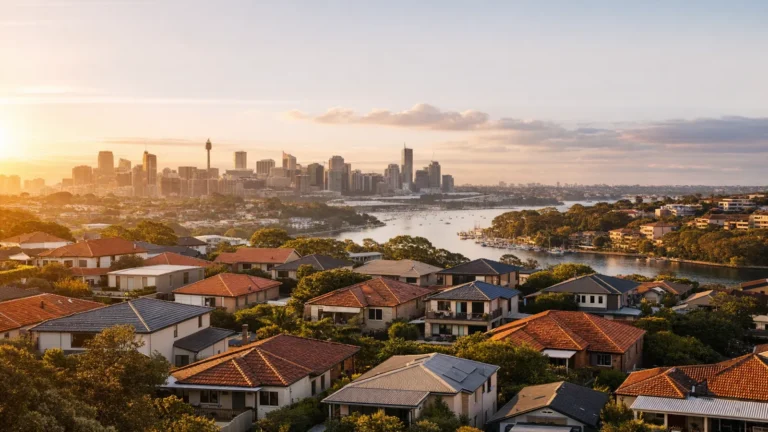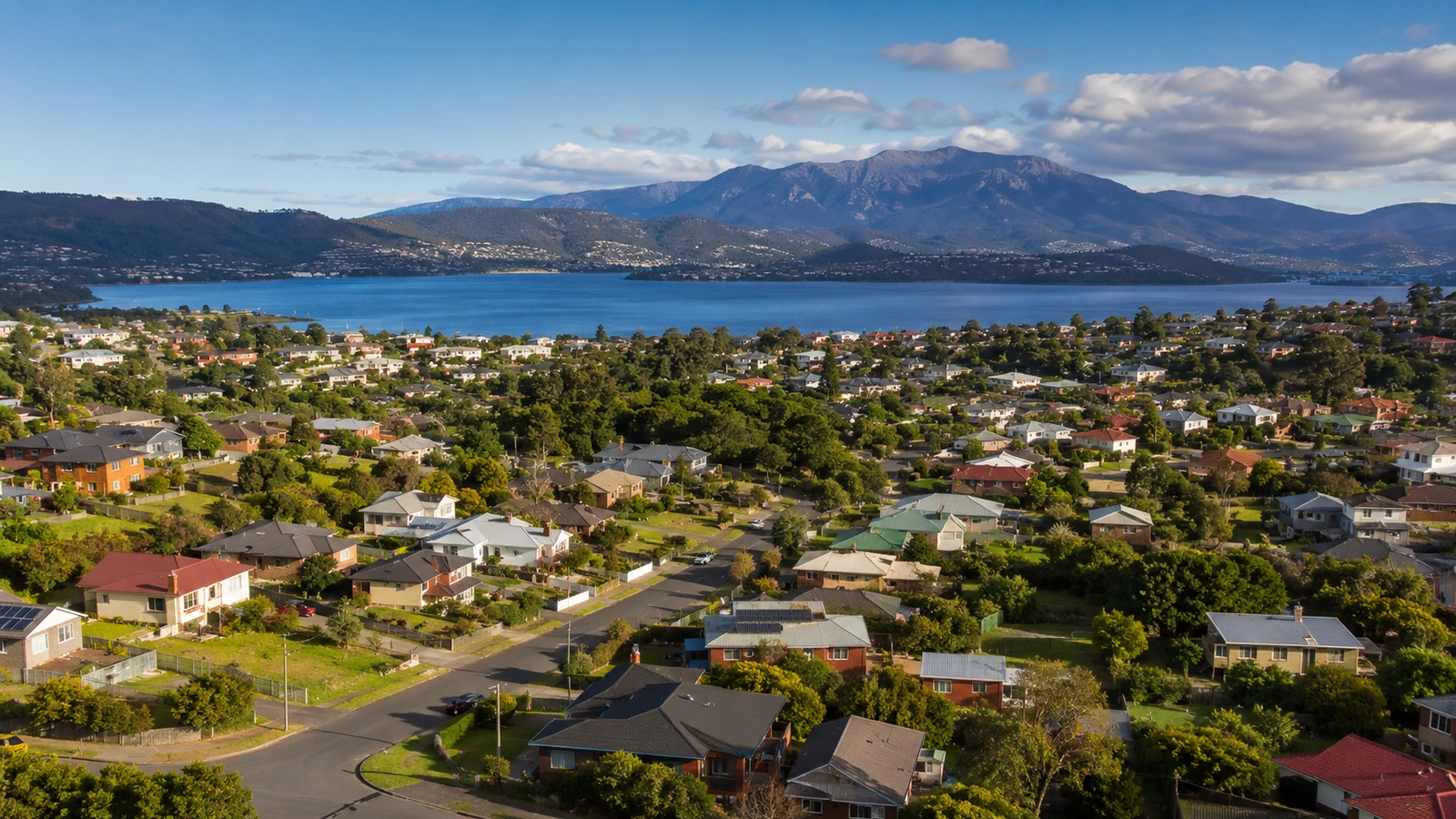
Tasmania housing deal announcements are easy to welcome. More homes, more first-home buyer stock and more infrastructure funding all sound like the right direction.
The harder question is delivery.
The Property Council of Australia has backed a State and Federal Government agreement aimed at unlocking 4,000 homes in Tasmania, with more than 2,100 homes allocated for first-home buyers. The deal also includes Commonwealth support for enabling infrastructure, the unglamorous but essential work that lets housing projects move from paper to construction.
That matters because Australia’s housing shortage is not only a planning problem. It is also a pipes, roads, power, water and delivery problem.
Approvals can look good in a press release. Homes still need sites that can be serviced, builders that can deliver, buyers who can finance the purchase and a market where the end price is actually affordable.
The promise is clear. The test is harder
The headline number is 4,000 homes.
For Tasmania, that is not a small figure. The state has been squeezed by a familiar mix of tight supply, slow delivery, construction constraints and affordability pressure. A dedicated first-home buyer allocation gives the package a sharper political purpose: help more Tasmanians get into ownership, not just add generic supply.
But the key part of the announcement may not be the home target. It may be the infrastructure funding.
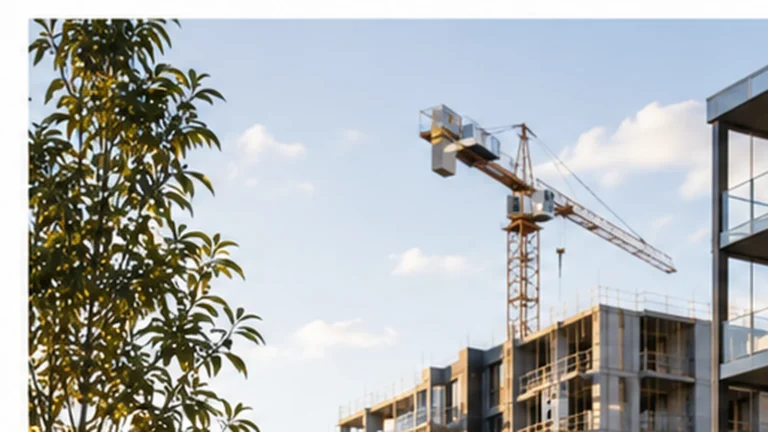
In plain English, enabling infrastructure means the basic works needed before housing can be built or occupied. Think roads, water, sewerage, power connections, drainage and other site services.
Without those, land may be zoned and projects may be discussed, but dwellings can still sit in the “almost ready” category for years.
That is the part many housing debates skip. Governments can announce targets. Developers can talk about pipelines. Buyers can line up for stock. But if the road access, utilities and services are not there, the supply pipeline slows.
Australian Property Review has covered the national version of this problem in Australia Is Short 262,000 Homes. Will Prices Surge Again? The point is simple: Australia does not just need more housing ambition. It needs completed dwellings in places people can actually live.
Why infrastructure is the real affordability lever
Housing affordability is usually framed through prices, deposits, grants and interest rates.
Those matter. But they do not solve the physical supply problem.
If a buyer receives help with a deposit but there are not enough suitable homes for sale, the benefit can be partly absorbed into higher prices. If planning approvals rise but projects cannot connect to services, the market still faces a shortage. If developers carry higher holding costs while waiting for infrastructure, the final home can become more expensive.
That is why infrastructure funding can be powerful when it is targeted well.
It can reduce delays. It can lower project risk. It can bring forward sites that are otherwise stuck. It can also help smaller markets, where a missing road upgrade or utility connection can make a development unviable.
Here’s the catch.
Infrastructure funding only improves affordability if it leads to additional homes that are delivered at prices households can afford. It is not enough to unlock land if the end product still sits beyond the reach of local incomes.
For first-home buyers, this distinction matters. A “first-home buyer allocation” sounds helpful, but the buyer still needs a deposit, loan approval, repayment capacity and confidence that they are not stretching too far.
A household does not live in a policy announcement. It lives with the monthly repayment.
Quick take
The Tasmania housing deal is a positive supply signal, but not a finished solution.
The useful question is not “is 4,000 homes good?” Of course it is better than no extra supply.
The better question is: how many homes are delivered, where are they built, what do they cost, and how quickly do keys reach buyers?
What changed and what did not
What changed is the funding focus.
The agreement recognises that infrastructure can be the blocker between housing plans and housing delivery. That is a more practical frame than relying only on planning rhetoric or buyer subsidies.
What did not change is the broader housing constraint.
Tasmania still sits inside a national market where supply is slow, construction costs remain a pressure point and affordability is stretched. Even when a government package is well designed, new homes do not appear overnight.
That time lag matters for investors, renters and first-home buyers.
For renters, delayed supply can keep vacancy tight. For first-home buyers, slow delivery means competition may remain firm for the homes that are already available. For investors, new supply can change suburb-level rental dynamics, but usually only when it is delivered at meaningful scale.
Australian Property Review explored the household pressure side of this in Suburb Stress Map Shows Australia’s Housing Squeeze. The lesson is relevant here: housing stress is not just about national targets. It shows up in local budgets, local rents and local supply gaps.
Who wins if this works
If the deal delivers, first-home buyers are the obvious winners.
More than 2,100 homes being allocated to first-home buyers gives the package a clear affordability aim. It may help households that are ready to buy but cannot compete easily in a thin market.
Developers may also benefit if infrastructure funding reduces project uncertainty. When the services are in place, projects can be easier to finance, stage and sell.
Local councils and communities could benefit too, but only if the infrastructure is planned properly. New housing without enough transport, schools, health access and local services can shift pressure from one part of the system to another.
That is the second-order effect to watch.
A housing deal can look strong on dwelling numbers and still create pressure elsewhere if the supporting community infrastructure is too thin.
What could stall the deal
The first risk is timing.
A 4,000-home target is useful, but the market needs delivery milestones. How many homes will be completed in the next 12 months? How many in the next three years? How many will be genuinely available to first-home buyers at prices they can finance?
The second risk is cost.
Construction costs, labour availability and financing conditions can still affect whether projects stack up. Infrastructure funding helps, but it does not remove every pressure from the development equation.
The third risk is location.
New homes need to be in places where people can reasonably live, work and commute. Housing supply that is technically delivered but poorly located can weaken the affordability benefit.
The fourth risk is price leakage.
If buyer demand remains stronger than available stock, some of the benefit can still flow into land values or sale prices. That does not mean the policy fails. It means supply needs to be large enough, fast enough and well located enough to change market conditions.
What buyers should do with this information
First-home buyers should not treat the Tasmania housing deal as a reason to rush.
A better move is to track the actual release of stock.
Start with three practical checks:
- Which suburbs or regions will receive the new homes?
- What price bands will they target?
- What income and repayment assumptions are needed to buy safely?
For investors, the deal is worth watching for a different reason. New supply can affect rent growth and resale competition in specific local markets. That is not automatically bad. A growing area with new infrastructure can still perform well. But investors should pressure-test vacancy risk, tenant demand and competing supply before relying on yesterday’s rent numbers.
Rule of thumb: infrastructure-backed supply is more meaningful than vague future pipeline claims. But it still needs dates, locations and price points before it changes a buying decision.
The bottom line
The Tasmania housing deal is a useful shift in the housing debate because it focuses on one of the real blockers: infrastructure.
That is better than pretending affordability can be fixed only with grants, slogans or planning targets.
But the housing market will judge the deal on completions, not announcements. If the funding unlocks serviced land, brings forward projects and delivers homes that first-home buyers can actually afford, it could ease pressure in parts of Tasmania.
If delivery drags, the announcement risks becoming another reminder that Australia’s housing problem is not a shortage of promises. It is a shortage of finished homes.
Start here: watch the delivery timetable, not just the headline number.
Want the weekly signal without the noise? Subscribe to the free Australian Property Review newsletter.
General info, not financial advice.