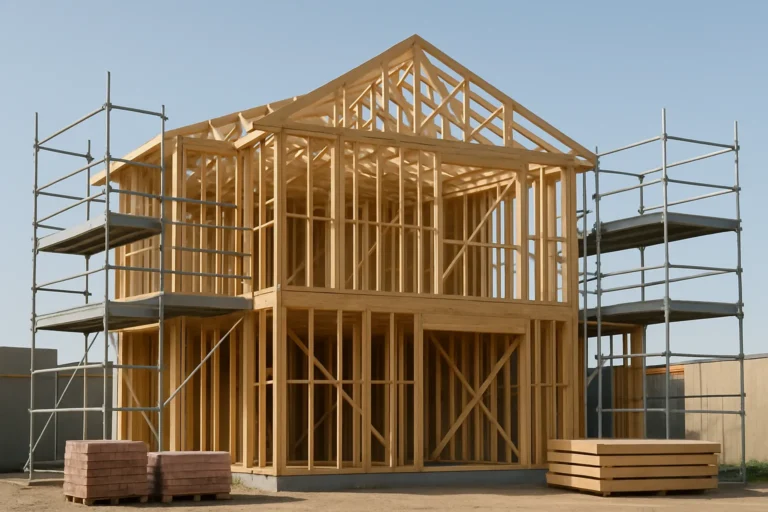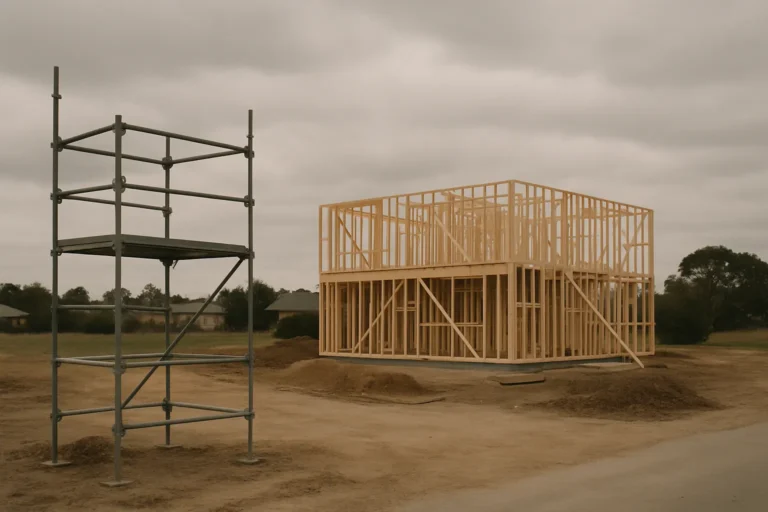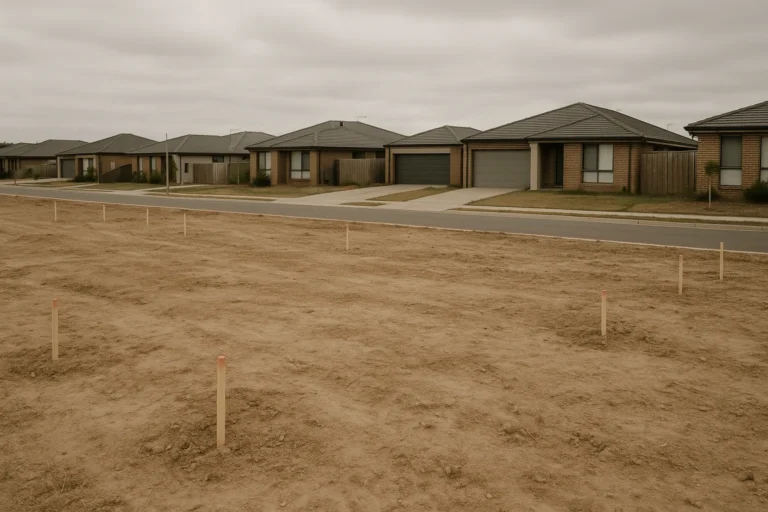
The headline unemployment figure hit 4.6 per cent in August, a five-year high, but that’s not translating to available workers on building sites. The construction industry is running 141,000 workers short right now, and without policy intervention, that gap could widen to one million by 2035, according to workforce modelling released this month.
That mismatch, a softening labour market overall but acute shortages in the trades, explains why project timelines are blowing out and why construction costs keep climbing even as the broader economy slows.
Why unemployed workers aren’t filling the gap
August’s jobs data showed 39,000 new positions created, but the unemployment rate still rose because workforce participation surged. More people entered the job market than could find work immediately. That’s a typical pattern when the labour market cools: people who’d been sitting out start looking again, and they show up in the unemployment count before they land a role.
But those new job seekers aren’t flowing into construction. The industry needs site-ready workers, qualified tradespeople, apprentices partway through their training, experienced operators, not entry-level candidates without tickets or skills. The gap isn’t just about total headcount; it’s about the time and cost to turn a job seeker into a productive builder, electrician or plumber.
That training pipeline is the bottleneck. Apprenticeship commencements have been flat for years, and the dropout rate remains high. Businesses carry most of the cost of training, wages, supervision, downtime, in an environment where project margins are already tight and economic uncertainty makes long-term commitments harder to justify.
The policy settings that aren’t helping
Three specific settings are making it harder for construction firms to scale up their workforce:
- Group Training Organisations need more support. GTOs employ apprentices and lease them to construction firms, spreading the cost and risk across multiple businesses. Funding for GTOs hasn’t kept pace with demand, so firms that can’t afford to take on apprentices directly have fewer options.
- Payroll tax penalises training. Apprentice wages count toward payroll tax thresholds in most states, which means hiring a first-year apprentice increases a firm’s tax liability. A rebate on apprenticeship wages would remove that disincentive.
- Recognition of Prior Learning (RPL) is slow. Experienced workers from other industries or overseas often have transferable skills, but the RPL process to formalise those credentials can take months and cost thousands. Streamlining that pathway would unlock workers who are already capable but not yet certified.
Without movement on those three levers, the flow of new workers into construction won’t accelerate, even if general unemployment keeps rising.
What this does to housing delivery
Housing construction has already collapsed for reasons beyond labour, credit conditions, land costs, approval delays, but workforce shortages compound every other constraint. A project that’s approved, financed and ready to start can still stall if the builder can’t lock in subcontractors.
That shows up in three ways:
- Longer timelines. Builders book trades further in advance, pushing out completion dates and increasing holding costs for developers and buyers.
- Higher costs. Scarcity drives up tradesperson rates, which flows through to final sale prices or forces projects to cut scope.
- Projects that don’t proceed. Marginal developments, those that only stack up financially if everything goes to plan, get shelved when labour costs blow the budget.
The modelling suggests the shortfall will hit one million workers by 2035 if policy settings don’t change. That’s not a forecast of what will happen; it’s a projection of what happens if apprenticeship rates, immigration settings and productivity don’t improve. A one-million-worker gap would mean entire categories of housing and infrastructure simply wouldn’t get built.
In plain English
The construction labour shortage isn’t about total unemployment, it’s about the specific skills and tickets the industry needs. Training takes years, and businesses carry most of the cost in uncertain times. Without policy support (rebates, faster recognition of overseas skills, better-funded training organisations), the pipeline won’t fill.
Who this hits next
First-home buyers waiting on new builds face longer settlement delays and price creep as construction timelines stretch. Investors relying on new supply to ease rental tightness won’t see meaningful stock arrive fast enough to shift vacancy rates. Renters in undersupplied markets, particularly regional areas and outer suburbs where land is available but builders are scarce, stay stuck in a high-rent, low-vacancy squeeze.
State governments banking on housing targets to meet population growth will miss their numbers if workforce constraints aren’t addressed ahead of approvals and land release. Infrastructure projects (roads, schools, hospitals) compete for the same tradespeople, so delays in one sector flow through to the other.
Scenarios over the next twelve months
Base case: apprenticeship commencements stay flat, RPL reform moves slowly, workforce shortfall widens to 150,000+ by mid-2027. Project timelines stretch by another 10-15 per cent, construction cost inflation runs 1-2 percentage points above general CPI.
Upside: federal or state governments introduce payroll tax rebates on apprentice wages, fund GTO expansion, fast-track RPL for skilled migrants. Apprenticeship starts lift 15-20 per cent over eighteen months, shortfall stabilises.
Downside: broader unemployment keeps climbing, construction activity slows further, experienced tradespeople leave the industry for steadier work. Workforce shrinks in absolute terms, shortfall exceeds 160,000 by end of 2027.
What to watch over the next six months
- State budget announcements in the lead-up to federal election timing: look for payroll tax changes or apprenticeship incentives.
- Apprenticeship commencement data (quarterly, published by National Centre for Vocational Education Research): if the September quarter shows another flat or declining result, the pipeline isn’t improving.
- Construction project deferrals in your local market: if approved developments aren’t breaking ground within expected timeframes, workforce shortages are likely the cause.
- Tradesperson wage inflation tracked in builder cost escalation clauses: if rates are climbing faster than general wage growth, competition for workers is intensifying.
If you’re locking in a fixed-price build contract in the next twelve months, ask your builder what contingency they’ve priced in for labour cost escalation and whether trades are already locked in. If they can’t name subcontractors or won’t commit to a timeline buffer, that’s a red flag.
Subscribe to the newsletter for the next workforce or housing supply update.
General info, not financial advice.