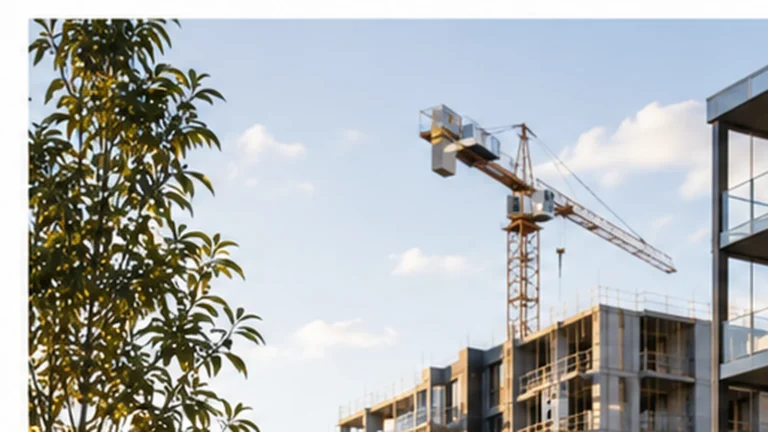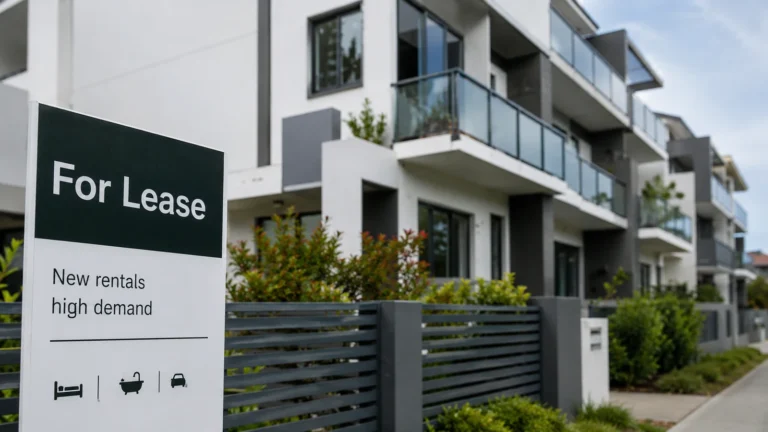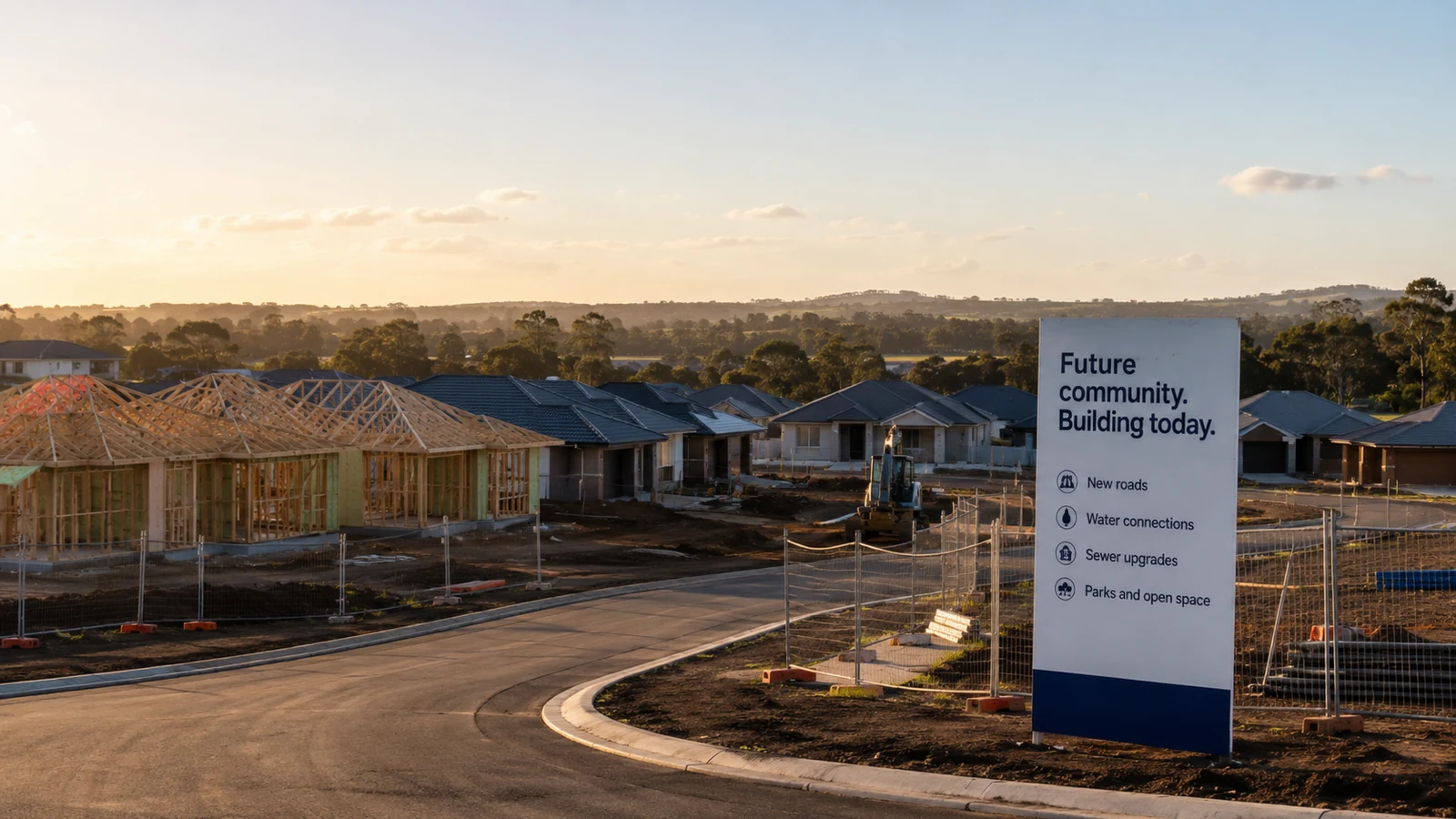
Housing infrastructure is becoming one of the least glamorous but most important tests of Australia’s housing promise.
The debate usually starts with targets, planning approvals, migration, interest rates and investor taxes. Those things matter. But homes do not get built on ambition. They need roads, water, sewerage, power, drainage and local services.
That is why the latest warning from the building sector should not be dismissed as another industry complaint.
Mortgage Professional Australia reported that public sector infrastructure work fell 3.5 per cent, offsetting a strong 15.9 per cent lift in private sector engineering construction. The report, citing ABS engineering construction data and Master Builders Australia commentary, points to a familiar problem: private activity can rise, but housing still stalls if the enabling infrastructure is not there.
Australia’s housing target is already stretched. The National Housing Accord is aiming for 1.2 million new homes by 2029. The shortfall is widely expected to sit in the hundreds of thousands of dwellings unless delivery accelerates.
The uncomfortable question is simple: what if the bottleneck is not only approvals, builders or buyers?
What if the missing piece is the public infrastructure that makes housing possible in the first place?
The target is big. The delivery chain is bigger
The Federal Government’s housing ambition is clear: 1.2 million new homes over five years.
That number is easy to remember. It is also easy to misunderstand.
A housing target is not the same as a housing pipeline. A pipeline is not the same as serviced land. Serviced land is not the same as completed homes.
That distinction matters because Australia does not just need more theoretical supply. It needs dwellings that can actually be built, connected, financed and occupied.
In plain English, housing infrastructure means the basic works that allow housing to proceed. Think:
- roads and access upgrades
- water and sewerage connections
- stormwater and drainage
- power and utilities
- local transport links
- community infrastructure such as schools, health access and local services
Without those, a site can be zoned for housing and still sit idle.
That is the part most people miss. A planning approval may look like progress, but if the project cannot connect to services or absorb infrastructure costs, the homes may not arrive when buyers and renters need them.
Australian Property Review has already looked at this problem in our analysis of Australia’s projected housing shortfall. The core point still holds: national supply numbers can hide local delivery constraints.
Why public works matter to private housing
Private developers can buy land, lodge plans, arrange finance and market projects. But they do not control every piece of the delivery chain.
A new estate may need road upgrades before lots can be released. An apartment project may depend on utility capacity. A growth corridor may look attractive on a map but still need drainage, sewerage or transport investment before the next stage works.
When public infrastructure slows, the private sector does not simply fill the gap.
Instead, four things can happen.
First, projects take longer. Developers carry land, finance and holding costs for longer periods.
Second, feasibility weakens. If infrastructure charges rise or delays stretch, the final project may no longer meet the return needed to proceed.
Third, prices can rise. Costs that sit inside the development chain usually land somewhere, often in higher end prices or fewer viable projects.
Fourth, supply becomes uneven. Some suburbs get homes. Others stay stuck in the “future pipeline” category.
That is why this is not a side issue. Housing infrastructure is part of the housing supply equation.
Quick take
Australia does not only have a housing target problem.
It has a sequencing problem.
Approvals, land release, infrastructure funding, labour, finance and buyer demand all need to line up. If one piece fails, the market can still face a shortage even when governments keep announcing new homes.
The Budget number is now under pressure
Master Builders Australia has argued that the Federal Budget’s $2 billion infrastructure commitment falls short of what is needed.
The industry group says independent modelling suggests the funding may enable about 5,300 new homes over four years, well below the Budget projection of 26,000 homes.
That is a large gap.
The Government’s position is that housing supply needs coordination across levels of government, planning reform and infrastructure support. Treasury’s own housing supply material says all levels of government need to work with investors, developers, builders and the construction sector to unlock affordable supply over the medium term.
That framing is sensible. The problem is scale.
If Australia is short by 200,000 to 300,000 homes, a few thousand additional homes from enabling infrastructure funding will not shift the national balance by itself.
Here’s the catch.
Infrastructure money can be powerful when it unlocks the right sites. But if the funding is too small, too slow or poorly targeted, it can become another announcement that improves the politics more than the delivery.
What changed, and what did not
What changed is the evidence base.
The latest engineering construction figures suggest public infrastructure is not keeping pace with the scale of the housing challenge. Private sector activity may be stronger, but housing supply still depends on the public works that make projects viable.
What did not change is the broader housing pressure.
Australia still faces tight rental markets in many areas, stretched affordability, high construction costs, difficult project feasibility and a national target that requires a major lift in completions.
This is why the housing debate can feel circular.
Governments announce targets. Industry asks for faster approvals. Buyers ask why homes remain expensive. Renters ask why vacancy is still tight. Investors try to work out whether shortage protects prices or increases political risk.
The answer is usually less dramatic than the headline.
Australia is trying to build more homes inside a system that is slow, expensive and capacity constrained.
The investor angle is more complicated than it looks
For property investors, weak housing infrastructure is not automatically good or bad.
A shortage of completed homes can support rents and prices in some markets. That is the obvious first-order effect.
But the second-order effects matter more.
If infrastructure delays hold back new supply, governments may respond with more intervention. That could include tax changes, planning overrides, investor restrictions, build-to-rent incentives or more direct public-sector involvement.
If new infrastructure finally arrives, it can change local supply conditions. A suburb that looked undersupplied may suddenly face new competition from nearby estates or apartment projects.
If infrastructure costs are pushed into development charges, new homes can become more expensive, which can limit affordability and slow sales.
So the investor lesson is not “shortage means buy”.
A better rule of thumb is this: buy into areas where infrastructure is improving demand and liveability, not just where supply is delayed.
Australian Property Review made a similar point in our coverage of Frasers Property’s 3,800-home development pipeline. A pipeline only matters when the homes can move from plan to completion.
The places most exposed
The infrastructure issue is usually most important in three types of markets.
Growth corridors
Outer suburban growth areas often depend on staged infrastructure. If roads, water, sewerage or schools lag population growth, liveability suffers and delivery slows.
These areas can still offer value. But investors need to check the timing of infrastructure, not just the promise of future population growth.
Infill apartment markets
Middle-ring and inner-city apartment projects can run into different constraints. Services, planning complexity, construction costs and local opposition can all affect delivery.
Higher-density housing is often discussed as the fast answer to supply. In practice, apartments still need finance, presales, builder capacity and infrastructure support.
Regional housing markets
Regional markets can be highly sensitive to a single missing piece of infrastructure. A road upgrade, water connection or utility constraint can determine whether a project proceeds.
That is why state and federal housing deals should be assessed by delivery milestones, not just dwelling targets. Australian Property Review recently explored this in our article on the Tasmania housing deal and the real supply bottleneck.
What could derail the housing target from here
The first risk is timing.
Even if more infrastructure funding is announced, it may take years to flow into completed homes. The market needs actual delivery, not future capacity.
The second risk is cost.
Construction costs, labour shortages and financing conditions can still stop projects even when land is technically available. Infrastructure support helps, but it does not remove every pressure from the equation.
The third risk is coordination.
Housing supply sits across federal funding, state planning, local approvals, utilities, developers and builders. If those groups move at different speeds, the pipeline slows.
The fourth risk is political substitution.
Governments may keep announcing demand-side support for buyers because it is easier to explain. But if supply is stuck, more buyer assistance can partly flow into prices rather than affordability.
That does not mean buyer support is always wrong. It means it works best when paired with real, delivered supply.
What readers should do next
If you are a buyer, do not treat housing targets as a reason to rush.
Ask where the homes will actually be built, when they are expected to settle and whether the supporting infrastructure is funded or merely promised.
If you are an investor, pressure-test the local supply pipeline before relying on shortage as your thesis.
Start with three checks:
- Are nearby projects approved, funded and serviced?
- Is infrastructure improving liveability or simply catching up?
- Could new supply change vacancy risk within the next three to five years?
If you are watching policy, focus less on the headline target and more on the delivery mechanics.
The practical test is simple: homes count when they are completed, connected and liveable.
Bottom line
Australia’s housing target will not be won or lost in press releases.
It will be decided by the boring parts of the system: roads, pipes, water, sewerage, power, finance, labour and delivery sequencing.
That is why the public infrastructure slump matters.
It suggests Australia may be trying to accelerate housing while one of the key support beams is weakening. Private construction activity can help, but it cannot solve a public infrastructure gap by itself.
Start here: before making a buying or investing decision, check whether the local housing pipeline is backed by funded infrastructure, not just planning language.
Want the weekly signal without the noise? Subscribe to the free Australian Property Review newsletter: newsletter.apreview.com.au
General info, not financial advice.